International Community Declares Emergency Status Over Widespread Human Rights Violations in Iran
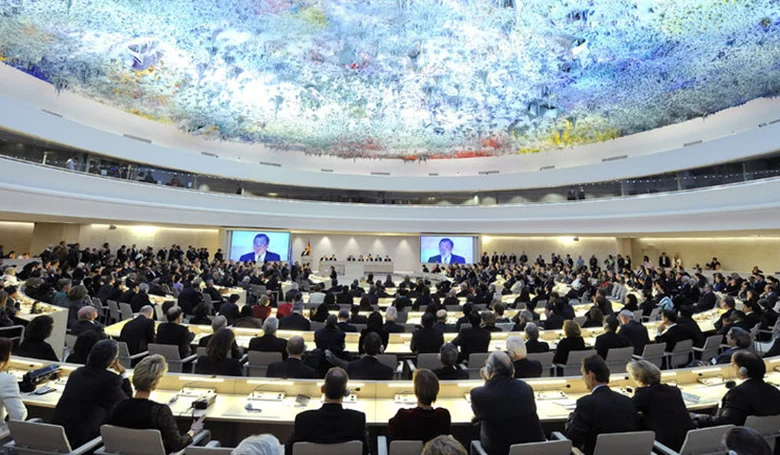
Economic pressures, nationwide protests, and violent responses by security forces have prompted the international community to declare an emergency status in response to widespread human rights violations in Iran.
Mai Sato, the United Nations special rapporteur on human rights in Iran, called for immediate international attention to the “unprecedented dimensions” of the human rights crisis in Iran during an emergency special session of the Human Rights Council in Geneva. According to her, severe economic pressures triggered protests across the country, which rapidly transformed into a widespread national movement with participation from men and women of different social and religious groups.
Sato emphasized at the session that government security forces have used violent tools against peaceful protesters and have demonstrated a categorical rejection of fundamental rights including freedom of expression, assembly, and even the right to life. She noted that death sentences issued against protesters, even when not carried out, constitute a clear violation of international law and are intended to “silence voices of dissent.”
According to aggregated data recorded by independent organizations, hundreds of gatherings have been held in more than 190 Iranian cities, with thousands killed and tens of thousands arrested during the crackdowns. These statistics cannot be independently verified given internet blackouts in Iran and severe information restrictions; however, even official government figures indicate that thousands have died.
Sato’s report and other human rights organizations indicate that detainees are held without access to lawyers or contact with their families, and some have been subjected to pressure and torture, coerced into forced confessions that are broadcast on state media—an action that according to human rights experts is carried out to “weaken and dictate the government’s official narrative.”
Reports have also emerged of raids on hospitals and arrests of wounded protesters—actions that demonstrate complete violation of principles protecting civilians and patients.
Members of the European Parliament, through approval of an official resolution, strongly condemned the suppression and mass killings of protesters in Iran and called on the Council of Europe to designate the Islamic Republic’s security agencies, including the Islamic Revolutionary Guard Corps and the Basij, as terrorist organizations.
The UN Human Rights Council also approved a resolution extending the mandate of the special rapporteur on human rights in Iran for another year and the mandate of the international fact-finding mission for another two years, an action aimed at facilitating investigation and documentation of serious human rights violations.
Exact casualty figures in this widespread crackdown remain unclear, but estimates by independent organizations and human rights reporters indicate over 20,000 deaths, including children and unarmed individuals. Some international sources have even warned of the possibility that actual figures could exceed this number, though precise figures cannot be verified due to limited access to information.
International human rights organizations, including Amnesty International, have warned through published reports about efforts to conceal evidence of crackdowns and a complete internet shutdown aimed at preventing disclosure of events.
Mai Sato expressed serious concern about the current situation in Iran, stating: “The people of Iran have shown extraordinary courage in facing authority, and now the international community must respond with greater urgency and commitment to provide concrete support for human rights in Iran.”
Sato also called for independent access to Iran for field investigation of the human rights situation and reporting to the international community—a request that has not yet received a response from Iranian authorities.