Iran Calls Saudi Defense Minister’s Statements an ‘Overt Threat’
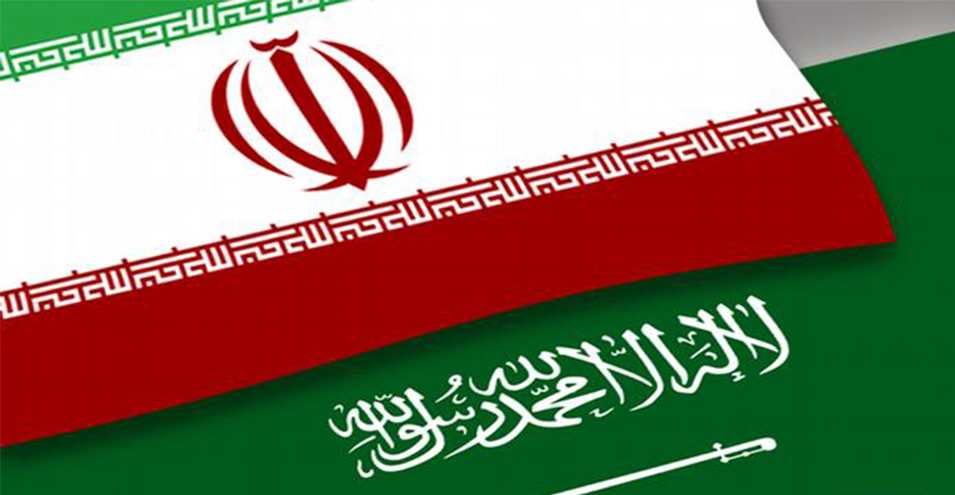
Iran’s permanent representative to the United Nations described recent statements by Saudi Arabia’s defense minister regarding Iran as an “overt threat” against his country and an “admission of this regime’s collaboration with terrorist activities.”
Iran’s ambassador to the United Nations considered statements by Mohammad bin Salman, Saudi Arabia’s defense minister, according to Article 2, Section 4 of the UN Charter, as “an overt threat against Iran and a sign of support for terrorism.”
Mohammad bin Salman, Saudi Arabia’s deputy crown prince, stated on April 22 (May 2) in a television interview, referring to “Iran’s role in Yemen and the region,” that “Iran’s ultimate goal is to take control of Mecca.” He added that instead of allowing Saudi Arabia to become a battlefield, his country would seek to drag the war into Iranian territory.
Mohammad bin Salman also said that Iran is seeking to dominate the Islamic world and that Saudi Arabia sees no opportunity for dialogue with Iran, which he claimed is preparing the ground for the emergence of the Imam Mahdi. Saudi Arabia’s defense minister added that his country can defeat the Houthi militias supported by Iran in Yemen.
Ghlamali Khoshrou on Thursday, May 4, in a letter to the UN Secretary-General emphasized: “Such statements are not only a threat against Iran but constitute an explicit admission of the Saudi regime’s complicity in terrorist and violent acts within Iran, with the martyrdom of 9 Iranian border guards at the hands of armed outlaws backed by Saudi financial support being the latest example.”
A group of Iranian border guards were attacked on March 27 in northeastern Sistan and Baluchestan province. One day later, the “Jaish al-Adl” group, which opposes the Islamic Republic, claimed responsibility for the attack.
Ghlamali Khoshrou in his letter to the United Nations called Saudi Arabia a country with “a long history of supporting aggression and using terrorist and extremist groups to achieve” its objectives “in the region and beyond.”
He cited “the creation of al-Qaeda and the Taliban in the 1990s and support for terrorism and instability in Iraq since 2003 and financial support for ISIS and other terrorist organizations” as examples of his statement.
Iran’s representative clarified that “peace and stability are the common interest of all Persian Gulf states” and that Iran “has no interest or benefit in escalating tensions among its neighbors and is ready for dialogue and cooperation to strengthen stability in the region, combat destabilizing extremist violence, and reject sectarian hatred.”
Iran and Saudi Arabia compete for influence in the region. Iran is accused of supporting Houthi rebels in Yemen, and Saudi Arabia leads a coalition fighting the Houthis in Yemen. In Syria, both countries support rival groups.
Saudi Arabia severed its relations with Iran following attacks on the Saudi Arabian embassy in Tehran and its consulate in Mashhad.
Source: DW