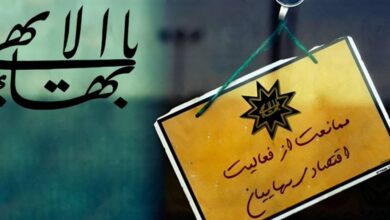
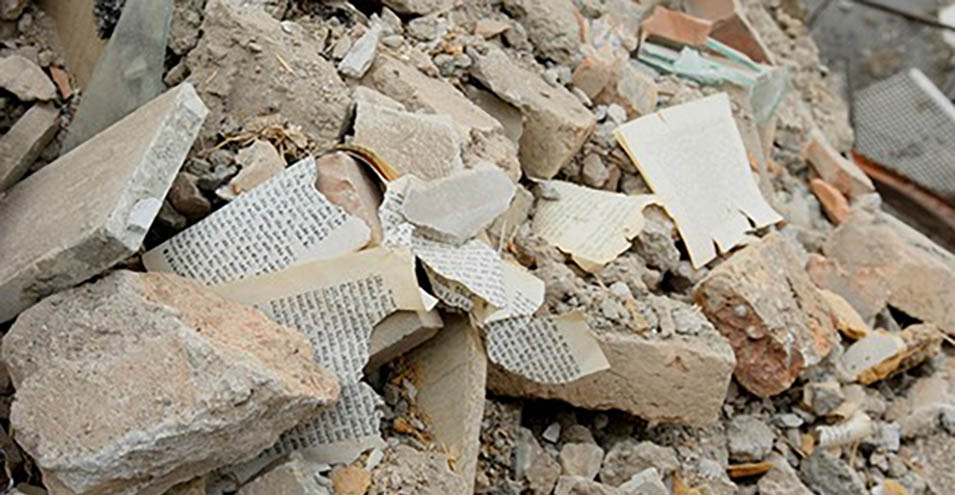
Iran Declares Bahá’ís “Universally Unfit” for University Education
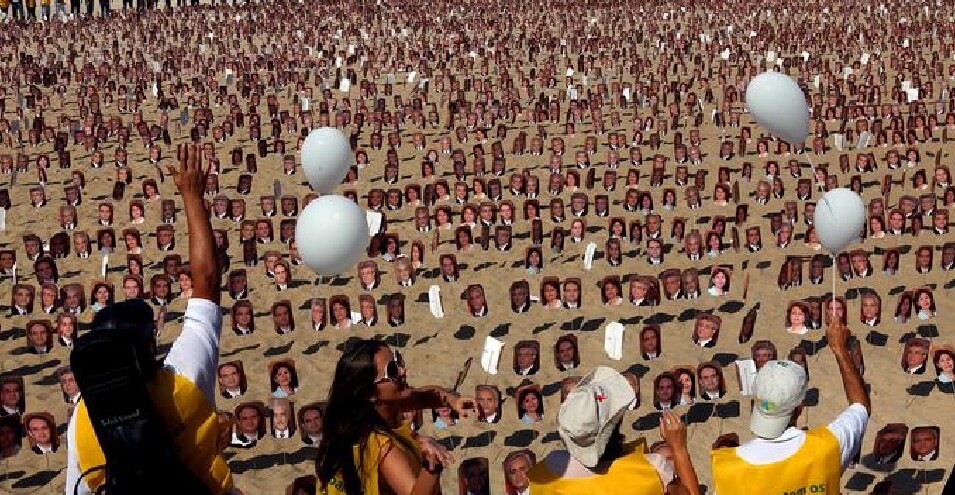
According to new reports, the Iranian government has formally confirmed its policy of barring followers of the Bahá’í faith from attending universities. This year, young Bahá’ís were officially told that the reason for their rejection was their “general lack of fitness” for university education.
The Bahá’í International Community issued a statement on Monday, October 4, protesting the persecution of Bahá’ís in Iran, including the deprivation of young Bahá’ís from university education.
In the statement, it was noted that in previous years, Bahá’ís who participated in university entrance exams and were accepted faced rejection at a later stage with the phrase “incomplete file,” even though their files had no problems. However, this year, young Bahá’ís were officially told that the reason for their rejection was their “general lack of fitness” for university education.
According to the website of Iran’s National Organization for Educational Testing, adherence to one of the official religions mentioned in Iran’s Constitution—Islam, Christianity, Judaism, or Zoroastrianism—is one of the general requirements for admission to university.
The Bahá’í International Community stated that belief in the Bahá’í faith and membership in the Bahá’í community, which is the largest religious minority after Sunni Muslims, renders a person ineligible for university admission.
In part of the statement, it was also noted that “tens of thousands of talented and motivated students are deprived of higher education, and this policy is cruel and destructive.”
In its statement, the Bahá’í International Community said that Bahá’ís in Iran and around the world had seen the arrival of the new government as an opportunity for Iranian authorities to honor their commitment to guaranteeing the basic rights of all citizens and ending the long-standing persecution of Bahá’ís. However, the government intends to further entrench its unjust policies in state institutions.
The Bahá’í International Community recommended that ending discrimination requires international accountability for Iran and direct oversight of its higher education policies.
Bahá’ís called for urgent action by the United Nations and governments from Bahá’ís to engage with Iranian authorities.
On the eve of the Bahá’í International Community’s statement, three human rights organizations—the International Committee Against Executions, the Committee to Struggle for the Freedom of Political Prisoners, and the Campaign for the Freedom of Imprisoned Workers—issued a joint statement on September 30, declaring that in the Islamic Republic, people including Bahá’ís who follow different religions and beliefs are executed.
Hrana News Agency, the news outlet of a coalition of human rights activists in Iran, reported on October 1 that Arslan Yazdani, a Bahá’í citizen, remains detained in one of the security detention wards of Evin Prison more than a month after his arrest.
In its report, Hrana noted that Bahá’í citizens in Iran are deprived of freedoms related to religious beliefs. This systematic deprivation occurs despite Article 18 of the Universal Declaration of Human Rights and Article 18 of the International Covenant on Civil and Political Rights, which state that everyone has the right to freedom of thought, conscience, and religion, including the freedom to change religion, and the freedom to express this belief individually or collectively, publicly or privately.
At the end of its report, Hrana wrote that according to unofficial sources, there are over 300,000 Bahá’í citizens in Iran, but Iran’s Constitution does not recognize Bahá’ís. For this reason, the rights of Bahá’ís in Iran have been systematically violated over the years.