Iranian-born Bishop Among Top Candidates to Lead Church of England
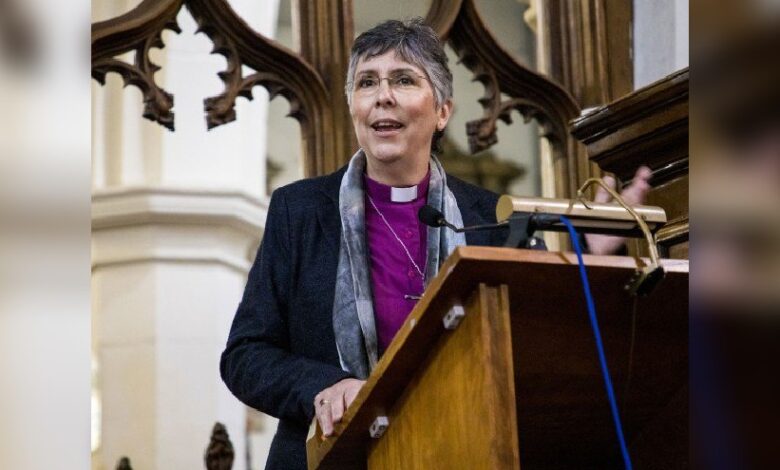
British sources have reported a high likelihood of selecting an Iranian-born bishop who is among the top candidates to lead the Church of England.
The name “Guli Francis-Dehqani,” Bishop of Chelmsford, has recently been placed on the shortlist of potential successors to “Justin Welby,” the current leader of the Church of England. For an institution that has been guided for centuries by predominantly British and native-born figures, the emergence of an Iranian-born female refugee is considered an unprecedented turning point. But can Guli Francis-Dehqani, this Iranian refugee, transform the face of the Church of England?
Francis-Dehqani faced the murder of her brother and an assassination attempt on her parents during her adolescence, events that forced her family to leave Iran. Her father’s reaction at his son’s funeral, when he forgave his murderers, left a rare image of forgiveness in the collective memory of the Christian community worldwide. This background not only shaped her personal identity but also reinforced her positions regarding migrants and religious minorities.
The Church of England has faced declining social influence and a crisis of public trust in recent years. Francis-Dehqani has explicitly stated that the church should be less involved in internal structures and more engaged with the lives of the disadvantaged, victims of poverty, and marginalized individuals. This approach could send a clear message to critics of the church about a shift in priorities from institutional centrality to the vulnerable margins of society.
Guli Dehqani was summoned to the House of Commons last year due to controversy over the baptism of a group of asylum seekers and faced tough questions from representatives. According to analysts, her performance in this session demonstrated her ability to manage political pressure, a skill vital for leading Britain’s national church, especially at a time when migration has become one of the forefront political debate topics.
The selection of an Iranian-born refugee as leader of the Church of England would not only carry symbolic meaning in defense of religious freedom and support for the displaced, but could also impact the church’s relations with Christian communities under pressure in the Middle East. However, such a choice would likely provoke opposition from more conservative factions within the church and immigration-critical politicians.
Francis-Dehqani has repeatedly stated that true faith does not come without cost. Her experience of living in a country where changing religion can result in imprisonment or death has given her a tangible understanding of this concept. Should she reach the position of church leadership, this perspective could fundamentally alter the church’s policies and priorities regarding religious freedoms.
Although the final decision has not yet been made, Guli Francis-Dehqani’s presence among the leading candidates suggests that the Church of England is likely prepared to accept leaders with different backgrounds. Her selection could not only be a turning point in the history of this religious institution but also serve as a test of the sincerity of its proclaimed values in defense of justice, acceptance, and support for the marginalized.