Iran’s Different Treatment of Two UN Reporters
There was a time when Iran hurled the worst insults at a UN special rapporteur, now they call his successor’s death regrettable. The content of Ahmad Shahid and Asma Jahangir’s reports on human rights violations in Iran were no different from each other.
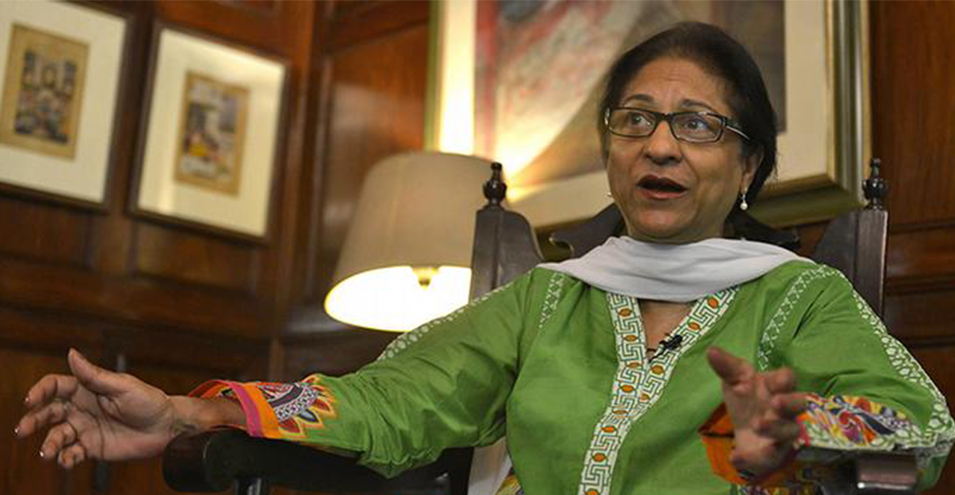
Asma Jahangir, a prominent Pakistani human rights activist and UN special rapporteur on human rights in Iran, suffered a heart attack yesterday (Sunday, February 11 / Bahman 22) and died shortly after being transferred to one of Lahore’s hospitals.
According to ISNA news agency, Gholamhossein Dehghani, deputy minister for legal and international affairs at the Ministry of Foreign Affairs, expressed condolences on Jahangir’s death, saying: “We were supposed to meet with her in the coming weeks to discuss the human rights situation in Iran.”
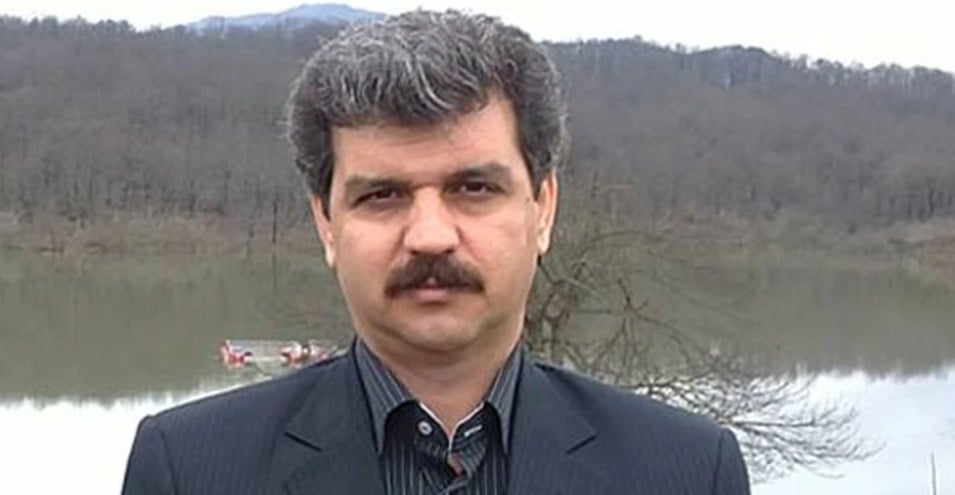
Asma Jahangir became Ahmad Shahid’s successor in September 2016, after he had served as special rapporteur on human rights in Iran for about six years, during which he faced the harshest criticism, insults and accusations from Iranian officials.
Mohammadjavad Larijani, head of the Judiciary’s Human Rights Headquarters, and his brother Sadegh Larijani, who heads the Judiciary, quickly and in response to one of Ahmad Shahid’s first reports, called him a “liar.”
This type of treatment of Ahmad Shahid continued throughout his tenure as rapporteur on human rights in Iran. He, who was never allowed to travel to Iran to investigate the human rights situation in the country, was repeatedly accused of echoing the United States and repeating “undocumented claims” of opponents of the Islamic Republic.
Javad Larijani in the summer of 2015 accused Ahmad Shahid of taking money from Saudi Arabia to prepare baseless and biased reports on human rights violations in Iran.
During the year and several months she served as UN special rapporteur on human rights in Iran, Asma Jahangir repeatedly protested numerous instances of human rights violations in the country and, based on extensive evidence at her disposal, published two detailed reports on the poor state of human rights in Iran.
Ms. Jahangir in a report presented about five months before her death called for independent investigations into the “massacre of political prisoners in 1988” and reform of Iran’s judicial system.
Disclosure of Meeting Plans with Asma Jahangir
The report faced a harsh reaction from Iran’s Ministry of Foreign Affairs. Nevertheless, the deputy minister for legal and international affairs of the ministry says that learning of Asma Jahangir’s death was “truly distressing.”
The deputy foreign minister’s expression of condolences on Jahangir’s death and announcement of plans to meet with her in the coming weeks can be considered as confirmation of the Islamic Republic’s stated readiness to negotiate on human rights issues that came after the nuclear deal.
In periodic negotiations between the Islamic Republic and the European Union over the past two years, representatives from the Judiciary were also present to advance talks on human rights issues. The Islamic Republic usually refrains from disclosing details of these talks. This restraint also included the meeting plans with Asma Jahangir, news of which became public after her death.
Source: DW