Iran’s Health Minister: Vaccination to Begin on February 9
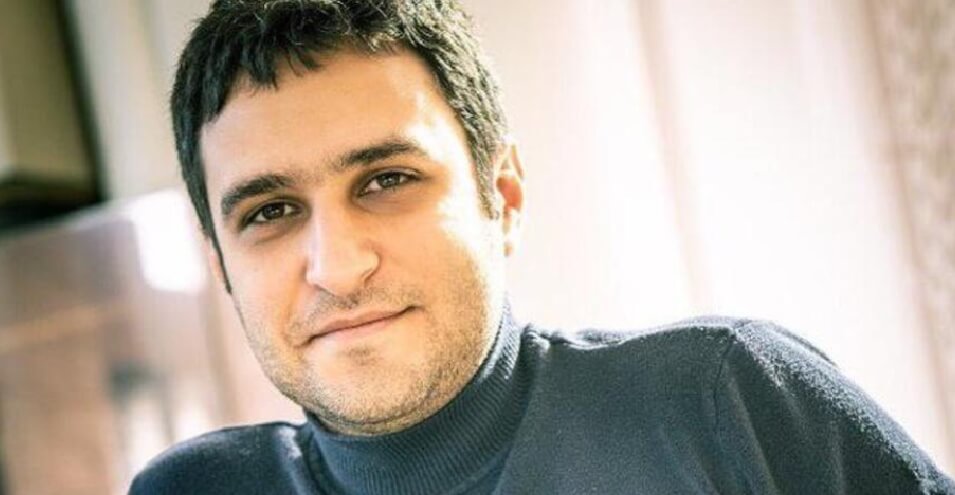
Saeid Namaki announced the date for the start of vaccination and promised that Iranian vaccine will also reach the market by spring. Despite the fact that clinical trials of the Iranian vaccine have just begun, Namaki described it as “very low side effect.”
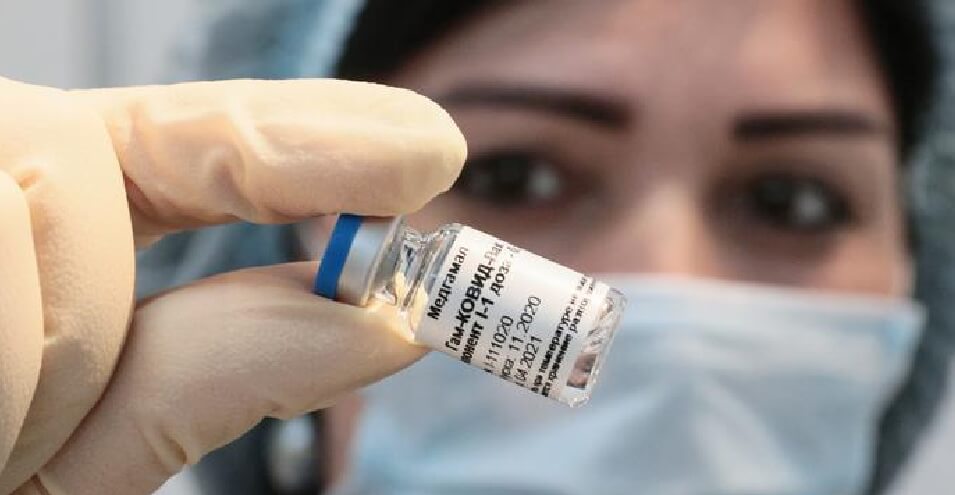
According to Iran’s health minister, vaccination against COVID-19, the disease caused by the new coronavirus (SARS-CoV-2), will begin on Tuesday, February 9 (21st of Bahman).
Saeid Namaki, at the unveiling ceremony of the clinical trial of the “Razi Cov Pars” vaccine by the Razi Serum and Vaccine Institute, stated that vaccination will begin with individuals working in ICUs, followed by other healthcare workers, vulnerable groups in nursing homes, and elderly people over 65 years old.
Namaki emphasized that the Iranian government, after evaluating various vaccines, has selected the “safest and least risky” ones.
The selection of the Russian vaccine “Sputnik V” has been accompanied by significant criticism. In the latest move, 98 members of the general assembly of Iran’s Medical Association declared the administration of this vaccine “unjustified and dangerous.”
Earlier, Minoo Mohraz, a member of the scientific committee of the National Coronavirus Task Force, said she considers the import of the Russian vaccine “bad luck for the Iranian people” and is not willing to receive it. However, one test showed this vaccine has 91 percent effectiveness, but international bodies have not officially confirmed it.
“Iranian vaccine has low side effects”
Regarding research on the Iranian vaccine, Saeid Namaki, while stating that “a vaccine is a vaccine only when it has passed various testing phases,” said: “Today we unveiled a product that is ready for clinical testing on humans.”
Nevertheless, he assured that this vaccine “has very low side effects” and “can help a person completely lose the ability to transmit the virus, which is a very significant achievement.”
After referring to the fact that “vaccine has today become a political commodity,” Iran’s health minister said: “The distance between us and American and Western scientists is due to hegemonic systems that do not allow friendship and affection between centers of knowledge.”
Without citing his source of information about American and European vaccines, Ayatollah Khamenei announced a ban on their entry into Iran, saying that according to him these vaccines are not effective. The Supreme Leader of the Islamic Republic has also called for the production of Iranian vaccine as quickly as possible.
Saeid Namaki hopes that the national vaccine will be brought to market in early spring.
“Empty hospital beds and sufficient medicine”
Iran’s health minister further stated that the Islamic Republic has “shone well” in managing coronavirus “like other national crises.”
He clarified that in Iran there are “both empty hospital beds for COVID patients and non-COVID patients, as well as sufficient medicine.”
In recent months, Iranian government officials have consistently emphasized that international sanctions have created fundamental problems in fighting coronavirus. They also justify the shortage of medicine for treating many diseases with sanctions.
Statistics of Cases and Deaths
Based on statistics presented by Iran’s Health Ministry spokesman on February 19, in the past 24 hours, according to definitive diagnostic criteria, 7,065 new COVID-19 patients have been identified in the country, of which 544 are hospitalized.
According to Sima Sadat Lari, the total number of infected people in Iran has reached 1,466,435. Three thousand 789 of them are under care in intensive care units of hospitals.
She announced the number of deaths from this disease in the past 24 hours as 57 people. So far, 58,469 people in Iran have died in connection with COVID-19.
Lari also said that 36 counties are in orange status, 178 counties are in yellow status, and 234 counties are also in blue status.