Iran’s Supreme Court Upholds Death Sentence of Benjamin Naqdi, Martial Arts Champion
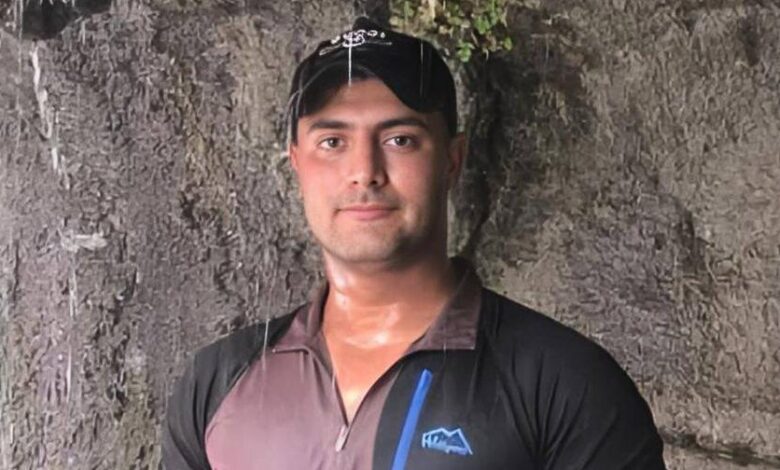
With the confirmation of the death sentence against Benjamin Naqdi, one of those detained during the December 2024 protests, by Branch 41 of Iran’s Supreme Court, human rights organizations have warned of an increased risk of execution. Human rights activists say his case has been marked by changing charges, forced confessions, and torture allegations.
The confirmation of the death sentence against Benjamin Naqdi, a former athlete and champion kickboxer and Muay Thai fighter, has intensified concerns about a wave of death sentences being issued against those detained during the December 2024 protests. Human rights organizations state that this political prisoner was tortured following his arrest and forced confessions were extracted from him; claims that, combined with the repeated changes in charges, have raised serious questions about the fairness of the judicial proceedings in this case.
Concurrent with mounting international concerns over the widespread use of capital punishment in Iran, the confirmation of Benjamin Naqdi’s death sentence from among those detained during the December 2024 protests has triggered a fresh wave of reactions from human rights organizations. According to these organizations, this case, like many others related to protesters, has been accompanied by allegations of torture, forced confessions, and violations of fair trial principles.
According to a report by the human rights organization Hengaw, Branch 41 of Iran’s Supreme Court has upheld the death sentence against Benjamin Naqdi, which was previously issued by the first branch of the Revolutionary Court in Shiraz. This ruling was delivered to his lawyers on yesterday, August 30, 2026 (corresponding to July 30, 2026). With this decision, the risk of executing this political prisoner has increased significantly.
The judicial system of the Islamic Republic ultimately convicted Benjamin Naqdi of “corruption on earth” and sentenced him to death. In addition, his indictment included charges such as “armed rebellion,” “membership in groups threatening national security,” “assembly and conspiracy against national security,” and “propaganda against the system.”
Based on available information, the proceedings have been accompanied by repeated changes in the charges against him. Initially, he was accused of “igniting a fire extinguisher toward law enforcement officers,” but subsequently this charge was changed to “attempted murder” and then to “armed rebellion,” before the court finally convicted him of “corruption on earth” and sentenced him to death.
According to human rights sources, he was subjected to torture and pressure during detention to obtain confessions. Shortly after his arrest, government-affiliated media released a video of his confessions; a matter that has been criticized by human rights organizations as an example of forced confessions.
Human rights organizations, including Amnesty International and the Iran Human Rights Organization, have repeatedly stated in recent years that Islamic Republic authorities use charges such as “armed rebellion” and “corruption on earth” to impose severe sentences against protesters. These organizations have emphasized that many of these cases have been accompanied by reports of torture, denial of effective access to legal counsel, and forced confessions, and do not comply with fair trial standards.
Amnesty International has also called on the Islamic Republic to halt the execution of protester death sentences and ensure independent and fair review of these cases.
The confirmation of Benjamin Naqdi’s sentence comes at a time when human rights organizations have warned of an increase in the issuance and execution of death sentences against those detained during protests in Iran. According to these organizations, the use of capital punishment against protesters has not only intensified human rights concerns, but has also faced widespread international criticism.
With the confirmation of Benjamin Naqdi’s death sentence by Iran’s Supreme Court, this Shiraz athlete now faces the highest risk of execution. While the Islamic Republic’s judicial system has convicted him of “corruption on earth,” human rights organizations, citing reports of torture, forced confessions, and repeated changes in charges, have called for a halt to the execution and a reconsideration of the case based on international fair trial standards.