Iran’s Workers’ Minimum Wage Increases; Still Below Poverty Line
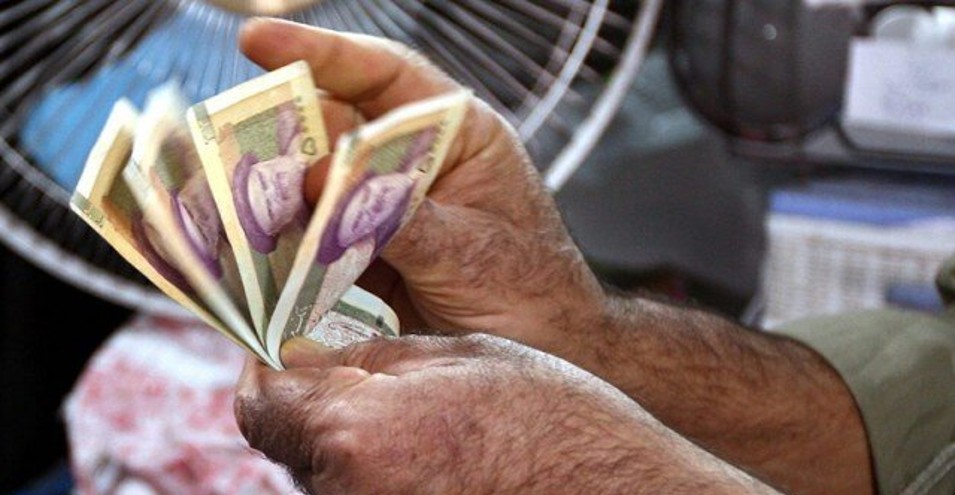
Based on a decision by Iran’s Supreme Labor Council announced Thursday, March 10, the minimum workers’ wage increased by approximately 57 percent, rising by around 1.5 million tomans.
According to ILNA news agency, under this decision, employers are required to pay workers with no experience and no children a minimum wage of 5,679,000 tomans, including allowances and housing benefits.
The minimum wage for a worker with one child has been set at 6,307,000 tomans, and for a worker with two children at 6,725,000 tomans.
On this basis, while the poverty line—defined as the minimum living expenses for an average household—was previously announced as approximately 9 million tomans per month in 2021, in 2022 no worker covered by labor law should receive less than 5,679,000 tomans.
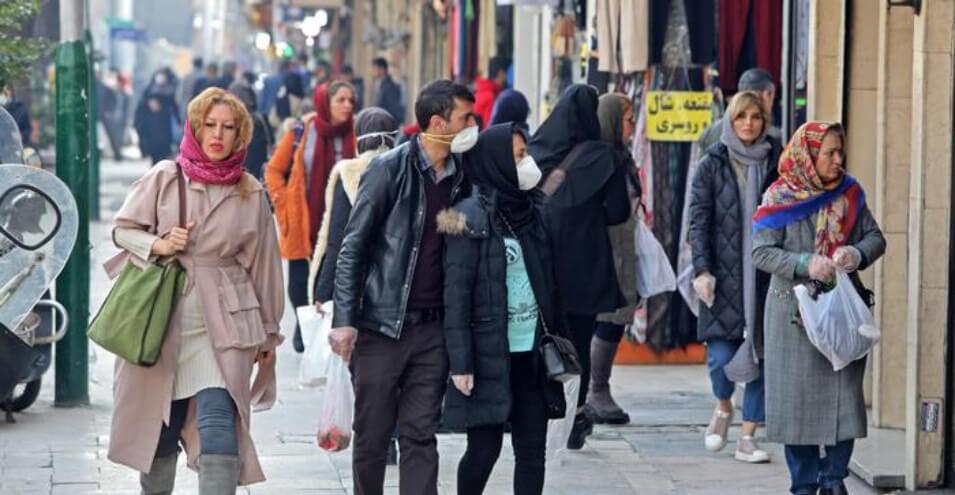
The rise in household living costs in Iran is a direct result of the severe inflation that has dominated the country’s economy in recent years. Based on this, some labor activists say the government must control inflation alongside wage increases, otherwise wage hikes will lead to further inflation.
Currently, in addition to high inflation affecting people’s livelihoods daily, the unemployment rate in the country fluctuates around 25 percent according to the “Parliamentary Research Center” assessment. For this reason, many workers are forced to work for wages significantly lower than what the Supreme Labor Council approves.
On this matter, Ali Aslani, a member of the Supreme Council of “Islamic Labor Councils,” said in December: “We have approximately 10 million underground workers in the country; workers whose wages are not monitored by anyone and all of them receive less than the minimum wage set. Some earn only 700 or 800 thousand tomans monthly.”
This is while according to the Statistical Center of Iran’s report, the annual inflation rate in November was at least 44.4 percent, and based on official statistics from the Ministry of Labor, the average price of over 83 percent of food items in Iran has exceeded the crisis threshold.
In the latest economic developments, parliament also approved the elimination of the preferential exchange rate called the 4,200-toman dollar from next year’s budget. According to a member of parliament’s Planning and Budget Commission, one consequence of this is a further price increase for some food items next year, including chicken and eggs by 50 to 70 percent.
According to Mohsen Zanganeh, a member of the Planning and Budget Commission, parliament has “allowed the government to continue selling 9 billion dollars at the preferential exchange rate, but has not obligated the government to do so.”
The economic hardships faced by workers, teachers, and civil servants, combined with social and political pressures in recent years, have continually led to protests and strikes throughout the country, with government responses mostly involving suppression.
Source: Radio Farda