IRGC Political Deputy: BBC Interview with Catherine Shakdam Blocked the Path of a ‘Satanic Plot’
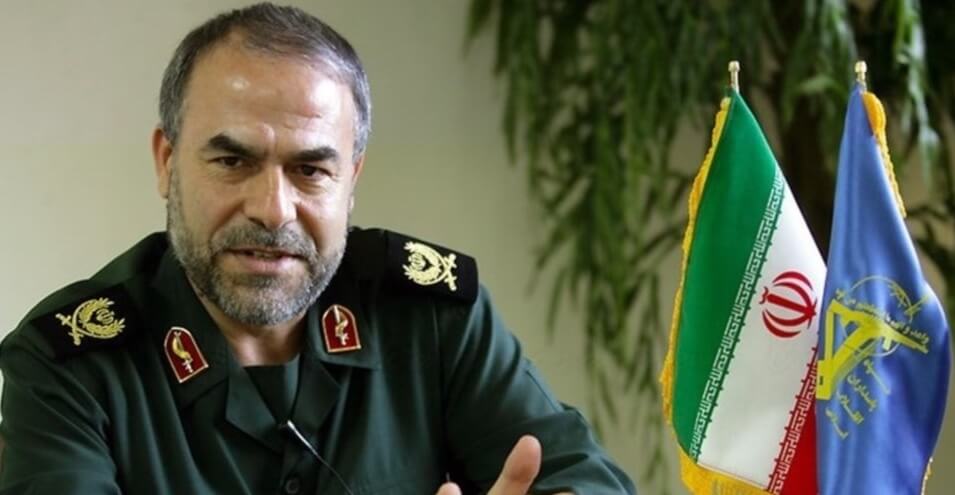
Yadollah Javani, Political Deputy of the Islamic Revolutionary Guard Corps (IRGC), says the BBC Persian television interview with Catherine Shakdam, a French-British Jewish female journalist, “deliberately or inadvertently blocked the path for displaying other layers” of a “satanic plot”.
Ms. Shakdam wrote an article on the “Times of Israel” website on November 25 last year, in which she discussed how she conducted an interview with Ibrahim Raisi during the 2017 presidential election.
Shortly after the publication of this article, the Telegram channel “Rasmeh Sevom” (Third Media), close to Mahmoud Ahmadinejad, reported on Shakdam’s numerous publications and interviews in IRGC media and the office of Iran’s Supreme Leader in recent years, considering her a “penetrator”.
“Rasmeh Sevom” revealed that Shakdam had published 18 articles on the Khamenei website, all of which “have now been completely deleted”.
On the other hand, an anonymous Twitter account using a pseudonym, based on sources that could not be verified, made other claims about Catherine Shakdam’s activities in Iran; including the claim of Shakdam’s “private relations” through “temporary marriage” with Islamic Republic officials, such as the editor of Tehran Times and Commander Yadollah Javani.
Catherine Shakdam said Monday night in an interview with BBC Persian television that “I am not a secret agent or spy for any country. I am a political analyst and I am just doing my job”.
Radio Farda cannot independently verify the accuracy of Ms. Shakdam’s statements, nor can it confirm or refute claims made about her being a “penetrator and spy”.
The Political Deputy of the IRGC on Tuesday, Esfand 17, in a message while welcoming the BBC Persian interview with Ms. Shakdam, said that this interview “deliberately or inadvertently blocked the path for displaying other layers of this satanic plot”.
He added: “I thank Almighty God thousands of times for the blessing of peace that has flowed into my heart and that of my spouse and children in these days”.
The Political Deputy of the IRGC has asked “some political activists” to “learn lessons from Catherine Perez Shakdam’s story and what was falsely published in cyberspace in her name”.
Mr. Javani has also asked the heads of Iran’s three branches of government to, according to him, “think fundamentally about proper management of cyberspace”.
The Iranian Parliament is currently reviewing a bill called “Internet Protection” that aims to create widespread restrictions on citizens’ access to social networks and online media.
This bill gives the government and armed forces the authority to control the infrastructure and how Iran’s internet network connects to the global network. If this bill is passed, internet technology companies will be required to comply with “government directives” regarding internet bandwidth and blocking. If this bill is passed, it will likely block the remaining activities of websites belonging to foreign companies, Iranian citizens will be forced to disclose their identity (national ID card) to access the internet, and the sale and distribution of private virtual networks will be considered a crime.
Additionally, social networks will be required to cooperate with the government in terms of control and censorship.
Source: Radio Farda