Cancellation of Christmas Markets in Germany Amid Rising Muslim Immigrant Population
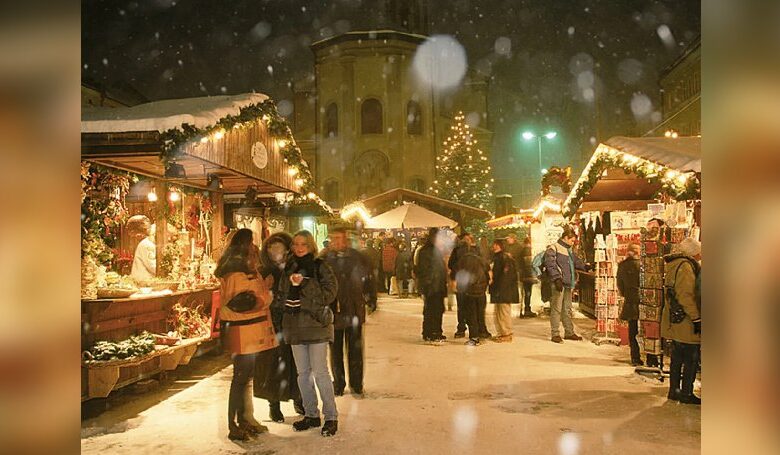
In the midst of security concerns arising from the presence of Muslim immigrants, several German cities have, for the first time in centuries, cancelled traditional Christmas markets and festivities.
According to reports published on social media, for the first time, some German cities are not holding their traditional Christmas festivals and markets. This decision has been made amid growing concerns about security, particularly regarding potential terrorist threats stemming from Muslim immigration. But is the problem merely security, or is it a sign of a deeper cultural and migration crisis?
In the city of Overath, located in the state of North Rhine-Westphalia, local authorities have announced that this year’s Christmas market has been cancelled due to the heavy costs of providing security for it. According to the organizers, the costs of protecting visitors from potential terrorist attacks have been very high, and the municipality has refused to cover these expenses.
This decision has sparked broader discussions about the integration of Muslim immigrants in Germany and its impact on local culture and traditions. Critics argue that the inability to ensure the security of Christmas markets demonstrates the failure of immigration policies and that the government is falling short in protecting its citizens.
According to reports from German and European media: “Several German cities have cancelled their traditional Christmas markets this year, citing the increase in costs related to new security requirements; requirements that were introduced following a series of terrorist attacks.”
In Overath, the local marketing association also stated: “We have been negotiating with the city administration for a year and a half to determine which institution would bear the new security costs.
Media have also reported from cities such as Kerpen and some smaller markets in Dresden that Christmas markets have been cancelled due to increased security costs.
The reality is that security threats against Christmas markets in Germany have a long history. For example, in an incident in the city of Magdeburg in December 2024, a person drove a vehicle into a crowd at a Christmas market, resulting in several deaths and hundreds of injuries. This incident also received extensive media coverage and intensified warnings about the security of markets and public gatherings.
At the same time, political and social debates about the extent of immigration, cultural integration, and the role of Muslims in German society have intensified. Right-wing groups have used this issue to criticize the government’s immigration policies; one of the leaders of the AfD, while describing these decisions as a sign of weakness by the federal government, has stated: “The government has capitulated to Islamists.”
The cancellation of Christmas markets goes beyond a financial or security decision. This issue affects cultural identity and the public experience of citizens. Christmas markets in Germany are not merely places for shopping and entertainment; they are symbols of collective life, Christian tradition, and socialization in public spaces. When these spaces fade, the bond between people and local civilization can be weakened.
Critics who view this as a sign of weak immigration policies say: “If a city cannot hold its Christmas market because it cannot guarantee its security, then the social and cultural structures of that city are in danger.”
On the other hand, proponents of a more moderate approach to immigrants have stated: “This incident should not mean a campaign against Muslims, and there is a need to focus on integration, coexistence, and preventing social fragmentation.”
For example, reports indicate that following the Magdeburg incident, groups of immigrants have said that following the deadly attack on the Christmas market, feelings of unease have increased. This means that on the other hand, side effects are being seen for immigrants and urban life.
In summary, what is happening in some German cities is a combination of security concerns, rising costs, and a clash between cultural tradition and immigration realities. However, rather than simply reducing this issue to the cancellation of Christmas markets, more fundamental questions must be addressed:
- How should immigration policies and cultural integration be reconsidered so that security is ensured and social life and traditions are preserved?
- How can security costs be managed without diminishing the public’s sense of cultural experience?
Does focusing solely on concerns about Muslims or immigrants risk driving society in a divisive direction?