Islamic Republic of Iran, Record Holder for Persecution of Christians
Reports submitted to the British Parliament revealed a record of persecution of Christians by the Islamic Republic.
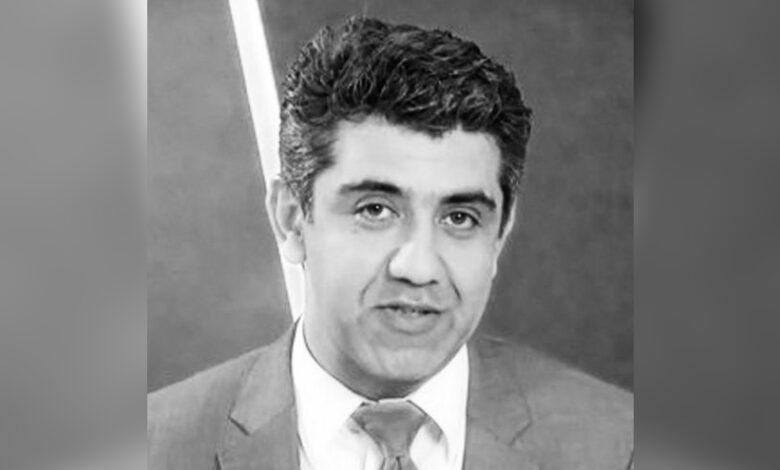
“Mansour Borji,” director of “Article 18” organization, a human rights advocacy group for Iranian Christians in London, spoke with “Iran International” network about the situation of Christians in Iran and the pressures imposed on them by the Islamic Republic.
In response to the question “What is the reason for organized persecution of Christians by the Islamic Republic?” he said: “Iran is among the countries that have signed several important human rights documents, including the Universal Declaration of Human Rights and the International Covenant on Civil and Political Rights, which guarantee freedom of religion and belief, and Iran has accepted these principles unconditionally.
However, on the other hand, there is also a contradiction, because a system that bases the legitimacy of its foundation on people’s adherence to a particular religious perspective cannot recognize the rights explicitly stated in these documents. Rights that allow every citizen to choose their own religion or belief, and not only as a personal belief, but as a belief that can be expressed and declared in public. This system cannot tolerate that.
For this reason, those who step outside the boundaries set by the Islamic Republic, whether Christians or followers of other religions, or even those who are not believers in God, may be harassed by the Islamic Republic. The statistics mentioned in the recent report indicate this very thing. We believe that for the people of Iran, myself, you, and every other Iranian, there is a fundamental right that has been denied to us, and that right is to have beliefs and convictions of our own choosing. And this right is when it is demanded and people want to exercise it that they face suppression.
263 years of prison sentences were issued for 96 Christians in one year, which represents a sixfold increase compared to the previous year, and demonstrates that the Islamic Republic is reacting to the wave of rights advocacy and justice-seeking, in which Iranian Christians are part of this movement.”
He also added in response to the host’s question about “Given the declining statistics of Christians in Iran, is the Islamic Republic seeking to eliminate Iran’s minorities?” “First, I must correct that the mentioned statistics are from the Islamic Republic’s census, in which people do not have the freedom to express their beliefs. And another point is that it refers to officially recognized minorities, meaning minorities that are recognized by the constitution, which include Zoroastrians, Jews, and Christians who are of Aramean and Assyrian origin. But now the increasing wave of conversion to Christianity in recent years has made neo-Christian converts one of the largest—I emphasize, the largest—religious minorities in Iran, which has never been mentioned and is not mentioned. In general, one of the reasons for the Islamic Republic’s confrontation with and suppression of this movement and the wave of Iranians converting to Christianity stems from this very issue. Therefore, the suppression is largely due to the growth of Christians in Iran and not due to their decrease in numbers.”