Islamic Republic’s Use of International Banking Network to Circumvent Sanctions
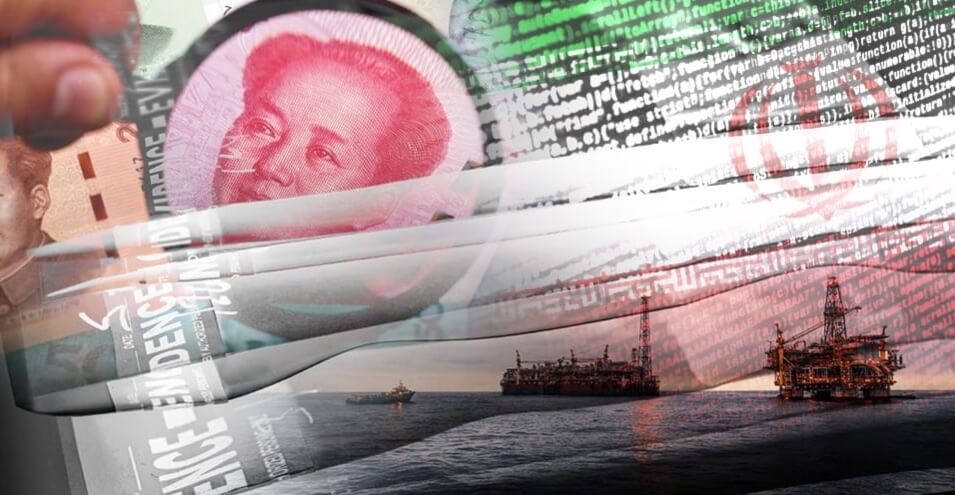
New documents show that the Islamic Republic has utilized services from Chinese, Middle Eastern, and Western banks in the energy sector as part of a policy to reduce pressure from United States sanctions.According to the Wall Street Journal, intelligence officials state that Iran conducts tens of billions of dollars in annual commercial transactions through a network of proxy companies, currency exchange institutions, and intermediaries.
These officials say: “This network was directly established by Iran’s political leadership starting in 2011, with a focus on creating a sanctions-evasion financial system to resist international pressure aimed at limiting Iran’s nuclear program.”
Bank statements and corporate documents reviewed by the Wall Street Journal indicate that HSBC Holdings and Standard Chartered, two of the world’s largest banks by asset size, were among institutions that provided services to major Iranian exporters and conducted prohibited trade with Iran on their behalf.
United States sanctions, which were imposed during the Trump administration to compel Iran to reach a nuclear and security agreement, prohibit international banks from managing accounts for Iranian companies.
Violators of these sanctions face billion-dollar penalties in accordance with United States law and international anti-money laundering regulations.
The Biden administration recently took a step to escalate pressure against Iran by imposing additional sanctions against several companies in the United Arab Emirates and China which, according to the Treasury Department, are major companies of Iran’s state-owned energy giants.
But how does this network operate?
According to documents, records, and intelligence officials, currency exchange houses controlled by Iran abroad create proxy companies and bank accounts for the Islamic Republic. Sanctioned Iranian companies sell their oil and other goods to foreign buyers through these companies and their bank accounts, receiving dollars, euros, and other foreign currencies in return.
Iranian importers then use this budget to pay for goods that the country needs to keep its economy afloat. An electronic clearinghouse operated by Iran’s Central Bank settles these currency exchanges between Iranian exporters and importers.
For example, according to obtained documents, HSBC Bank opened an account for a company called Scafield, which was registered in Hong Kong in 2019, at one of its branches in Hong Kong. In July 2020, Scafield sold 198 tons of a petrochemical product for use in the production of a plastic product to a buyer in India for $170,000 according to a contract. The money is then deposited into Scafield’s account at HSBC Bank in Hong Kong. At the same time, an identical invoice with the same date, containing the same invoice number and buyer information, product code, quantity, and sales price, identifying the seller as the Persian Gulf Petrochemical Industry Trading Company, is available.
Western intelligence officials have no evidence proving that banks were complicit in allowing transactions of sanctioned Iranian companies. However, senior bank compliance control officers have stated: “Companies registered outside Iran that covertly maintain bank accounts for Iranian companies can evade controls designed to prevent money laundering.”
Source: Voice of America