Khamenei: Pay Compensation to Some Families
The statistics on deaths, injuries and arrests from November protests remain unclear, but Khamenei agreed to call some of the deceased “martyrs” and approved payment of compensation and condolences to families. He had previously called protesters “villains” and “enemy agents”.
The Supreme Leader of the Islamic Republic agreed with proposals by the National Security Council Secretary for managing the situation of deaths and injuries from November protests and said: “… Let it be done as quickly as possible and toward suspicious individuals in any group, act in a direction closer to Islamic mercy.”
Ali Shamkhani stated in this report that ordinary citizens who had no role in demonstrations and protests but lost their lives should be considered “as martyrs” and their families be covered by the Martyrs Foundation and Veterans Affairs. Another suggestion was to pay compensation to the families of the deceased and offer them condolences.
Fars News Agency writes: “Regarding those victims of recent events who were killed in armed clashes with security forces, it was decided that after examining their situation and family background, the accounts of worthy and honorable families should be separated from the individual who committed the criminal act, and their families should be given proportionate attention and condolences.”
Fars reports that the National Security Council Secretary was immediately tasked after recent events to present the roots, factors and reasons for the unrest in a report. According to this news agency, the process of reviewing cases for deaths and injuries from recent events has begun at the provincial level.
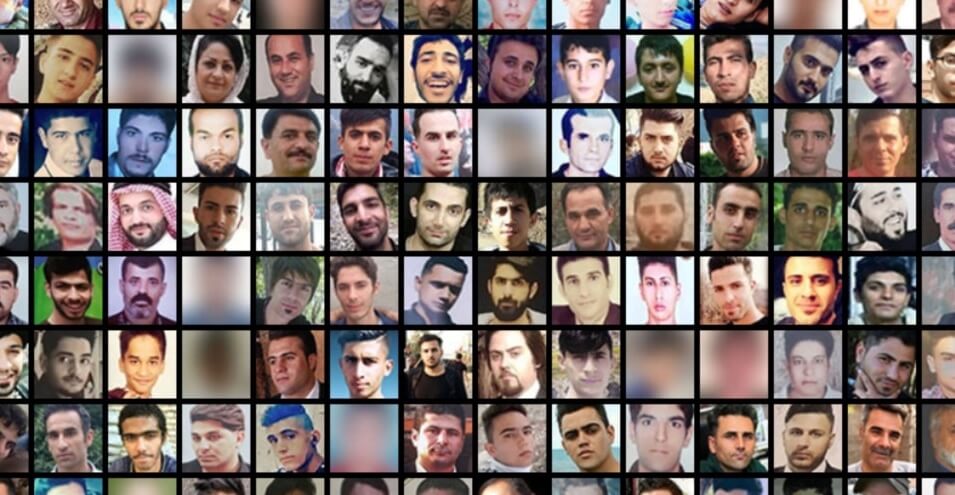
This is while no official statistics on the number of deaths, injuries and arrests from November protests have been released, and judicial authorities only deny reports from foreign media. Amnesty International says at least 208 people were killed, many of them teenagers.
From “Villainy” to “Martyrdom”
Khamenei previously called the November protests an “enemy conspiracy” and protesters “villains,” saying: “… They had spent considerable resources and were waiting for an opportunity to use destructive actions and killing and villainy in a moment and thought the gas price issue was their desired opportunity and sent their forces into the field…”
Hours before Khamenei’s orders were released, Hassan Rouhani announced the broadcasting of confessions from some of those arrested in the near future and said: “In these events some people came with cold and hot weapons and looted and burned shops, these individuals should be separated and the judiciary should make more effort. Of course, criminals should also be dealt with according to law and those who committed small violations and crimes should also be treated with Islamic mercy.”
Rouhani said Wednesday morning, 5 November, at an “Insurance and Development Conference”: “The planning by individuals who were organized in these events started two years ago and they wanted to act in late December and near elections but when this plan was announced, their masters from abroad said now a good opportunity has been created and they took them to the streets.”
Rouhani simultaneously acknowledged that not all protest deaths were rioters: “…if someone was killed in a neighborhood or city, we should not immediately say he was a rioter, but he may have been innocent or wanted to defend himself or was passing through or simply gave a slogan.”
He also announced appointing a three-member committee consisting of the president’s legal deputy, interior minister and justice minister to examine the issue. This is while parliament representatives are seeking to impeach the Interior Minister as responsible for implementing the gasoline price increase plan. Ali Motahari, a member of the Hope faction, said that basically Rouhani should have been impeached but this is not advisable due to the country’s abnormal situation.
Motahari emphasized that the gasoline price plan was bad, was badly executed and dealing with protesters was bad, but preserving the system is a priority and the “disaster that happened should be cleaned up in a way that does not damage the system itself”.
Source: DW