Kindness With Bullets, Official Audacity in Suppression Narrative
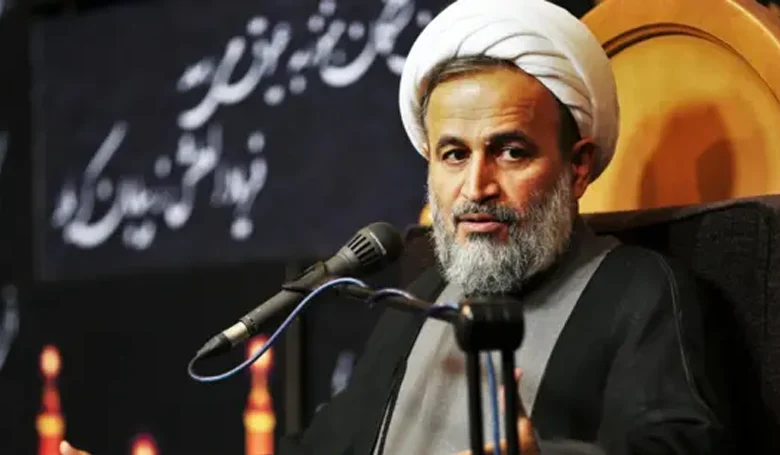
The alleged kindness of suppression forces in “Panahian’s” narrative contradicts the massacres and bloodshed in Iran’s streets.
“Alireza Panahian,” spokesman for Ali Khamenei’s office, in his latest statements about Iranians’ national uprising, presented a completely inverted picture of the reality of suppression in Iran, claiming: “Special forces units showed great kindness and advised people without weapons.” He also added: “All our people today are grateful for the steadfastness, courage, and sacrifice of security forces.”
Panahian’s statements come as an abundance of independent reports, images, and videos recorded from across Iran show a completely different narrative: direct shooting at protesters, widespread use of live ammunition, shooting at people’s heads and chests, nighttime raids on homes, mass arrests, and killings described by human rights organizations as the bloodiest suppression in contemporary Iranian history.
Many videos released by the families of the killed reveal the depth of the tragedy and crime that the Islamic Republic has committed against the Iranian people; these videos show families screaming the names of their loved ones among lifeless bodies—a matter that cannot be denied or hidden, yet regime officials shamelessly deny it.
Now Panahian’s statements not only contradict field realities but are a clear example of systematic audacity in the Islamic Republic’s propaganda apparatus; an apparatus that, while blood flows in the streets, attempts to call organized violence “paternal advice” and deadly suppression “kindness.”
This narrative-making occurs under circumstances where even Ali Khamenei, the current leader of the Islamic Republic, has made unprecedented statements acknowledging the killing of thousands of people during the protests. This implicit admission lifts the curtain on the dimensions of tragedy that official authorities and figures like Panahian attempt to deny or whitewash, while countless families continue searching for the bodies of their loved ones, walking through morgues, hospitals, and cemeteries.
Reports indicate that in many cases, the bodies of the killed were buried without informing families, or the delivery of corpses was conditional on security commitments and forced silence. These facts transform the claim of “public gratitude” toward suppression forces into a hollow and offensive claim against public suffering.
Panahian has for years played an active role as one of the ideological mouthpieces of power, justifying violence and normalizing suppression. His recent statements are not a verbal slip, but a continuation of the familiar policy of distorting reality, denying victims’ suffering, and legitimizing state violence; a policy that has deepened the gap between authority and society and intensified public anger.
In circumstances where Iran is practically in a state of permanent security crisis and ordinary citizens, regardless of age and gender, are targets of suppression, such statements above all demonstrate the absolute distance between those who make them and the reality of people’s lives; a distance filled with countless dead, wounded, detained persons, and grieving families, and can no longer be hidden by rhetoric and distortion.