Life of Narges Mohammadi, Human Rights Activist, in Danger
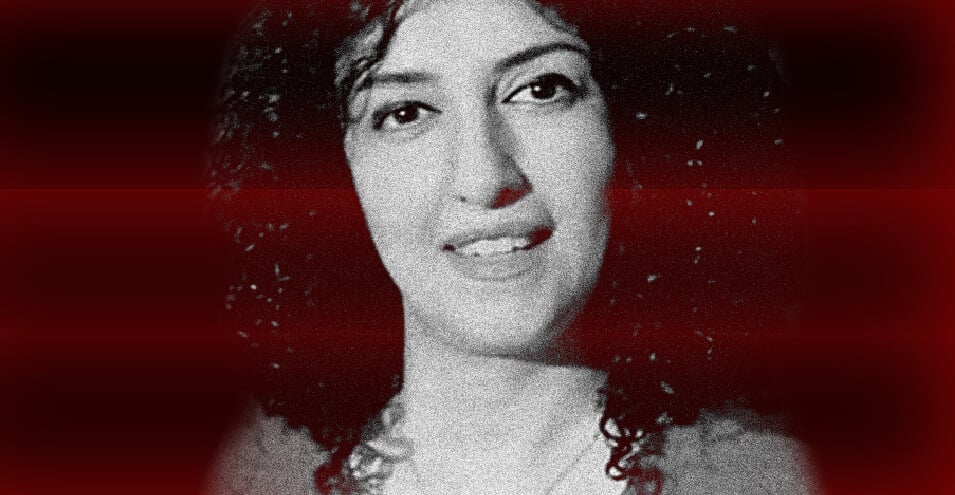
Pressure and security and police crackdowns against a group of human rights activists and justice seekers in Iran have intensified in recent days. Yesterday (Thursday, June 17), upon the request of the Ministry of Intelligence and a judicial order from the prosecutor of Arak, Abdolfattah Soltani, Narges Mohammadi, Arash Keykhosravi, Mostafa Nili, and Shahnaz Akmali, civil activists and human rights lawyers, were prevented from entering Shahreza city. These civil activists had traveled to the city to visit the family of Mohammad Najafi, a lawyer and human rights activist imprisoned in Arak prison.
Last Saturday, security personnel also assaulted Narges Mohammadi, a human rights activist, who had traveled to Shiraz with several other human rights activists. Narges Mohammadi, along with Jafar Azimzadeh (labor activist), the mother of Ebrahim Ketabdar (one of those killed in November 2019), the mother of Pouya Bakhtiari (one of those killed in November 2019), and Poran Nazemi (civil activist), had traveled to Shiraz to visit the family of Navid Afkari, a political prisoner who was executed, but they faced a violent confrontation with security forces and were detained for several hours.
Narges Mohammadi, a human rights activist who has been repeatedly threatened by security officials in recent days, told the Human Rights Campaign in Iran: “I am very concerned for my life. Within a few days, security forces who don’t even identify themselves have attacked me and my companions twice in a brutal manner.”
According to Narges Mohammadi, “security officials threatened that you must stop your activities because you are harming the Islamic Republic system. In response, I said I am a human rights activist who only went to visit families and have committed no crime.”
Referencing the unlawful behavior of security officials, Narges Mohammadi told the Human Rights Campaign in Iran: “When I asked them to show a warrant and identification card, they said we have orders from above. This is a clear example of kidnapping. They were behaving very brutally and making threats.”
Narges Mohammadi emphasized that following the recent conduct of security personnel, “I feel very insecure that I might lose my life in these confrontations.”
Hadi Qaemi, director of the Human Rights Campaign in Iran, expressing concern about the intensification of pressure on civil activists, said: “Authorities and security personnel are primarily responsible for establishing security and ensuring the welfare of citizens in society, not the opposite—by pressuring, threatening, harassing, and beating civil and human rights activists, they are endangering their personal security.”
According to Hadi Qaemi, “even under the laws and regulations of the Islamic Republic, visiting or sympathizing with the families of political and ideological prisoners or civil and human rights activists is in no way criminalized, and therefore all actions in this regard, including requests by security authorities, prosecutorial orders, and violent conduct by personnel, are unlawful and legally subject to prosecution and trial.”
The Human Rights Campaign in Iran, while warning about the personal security of civil and human rights activists, strongly condemns the unlawful conduct of security and judicial authorities toward these activists and calls on relevant authorities to stop forceful dealings with activists and to identify and prosecute those responsible for the assault and beating of Narges Mohammadi and her companions. The history of the Iranian government’s treatment of human rights activists, independent lawyers, and political activists, which has always been based on a policy of elimination and violent dealings with these activists, has increased concerns about the continuation of forceful treatment of Iranian civil activists. This is while in recent months, many civil and human rights activists and former political and ideological prisoners have become the voice of justice-seeking for many victims who have been subjected to oppression and cruelty by government agencies at various times; from those killed in November 2019 and the Ukrainian plane crash to former political and ideological prisoners who, in two open letters, have sought justice against the punishment of “solitary confinement.”
Narges Mohammadi, a human rights activist who was released from prison this past March after serving eight and a half years in detention, was sentenced several months after her release in May 2021 by a new order from the judiciary to 80 lashes, 30 months of imprisonment, and payment of two monetary fines. In this new case, Narges Mohammadi faced charges including “propaganda against the system,” “sit-in at the prison office,” “defiance of prison management and authorities,” “breaking windows,” and “slander” regarding accusations of torture and assault; although this human rights activist had said she would not recognize the issued sentence and would “defy and disobey” it.
Source: Human Rights Campaign in Iran