Many People Consider Themselves ‘World Citizens’
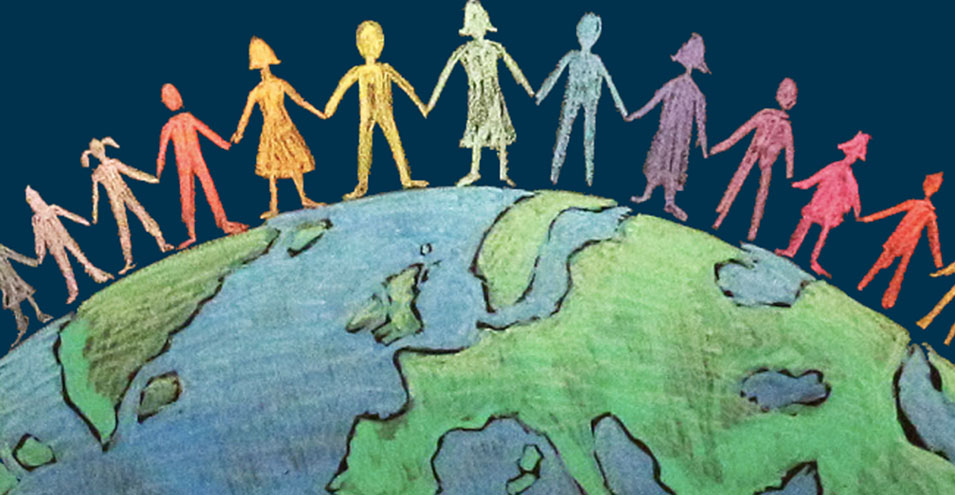
Many people around the world view themselves as world citizens rather than identifying primarily as citizens of their own countries.
A survey conducted by the BBC shows that in some countries around the world, most people believe that instead of being nationalistic about citizenship and limiting their relationships to fellow countrymen, they should interact as global citizens with people of different nationalities and cultures. The survey was conducted with the participation of over twenty thousand respondents across eighteen countries worldwide.
This trend is particularly striking among citizens of some developing countries. In the BBC survey in Nigeria, 73 percent of respondents considered themselves world citizens, with this figure reaching 71 percent in China, 70 percent in Peru, and 67 percent in India.
In contrast, the sense of global citizenship has declined in developed industrial countries, and this trend has intensified especially since the 2008 banking recession. For example, in Germany only 30 percent of the population consider themselves world citizens, which is the lowest figure for Germany since the survey began fifteen years ago.
Citizens of which countries view themselves as more global?
1- Nigeria; 2- China; 3- Peru; 4- India; 5- Spain; 6- Kenya; 7- Ghana; 8- Pakistan; 9- Canada; 10- Brazil; 11- Greece; 12- Britain; 13- Indonesia; 14- United States; 15- Mexico; 16- Chile
17- Germany; 18- Russia.
Beyond the global recession, it is also possible that unlike citizens of developing countries who, as world citizens, believe they should have the right to migrate and live in all parts of the world, citizens of wealthy countries, particularly given the recent wave of migrations, have shown less interest in accepting and integrating with people from other countries.
Among the eighteen countries examined in this survey, Nigerian and Chinese citizens viewed themselves as the most global, while Russian and German citizens saw themselves as the least global. The British ranked twelfth, Indonesians ranked thirteenth, and Americans ranked fourteenth.
In this survey, citizens of European countries were also asked about their acceptance of Syrian migrants. In Spain, approximately 84 percent (ranging from definitely to conditionally) supported accepting Syrian refugees, with this figure reaching 72 percent in Britain, 58 percent in France, and 54 percent in Germany. Interestingly, in Russia only 11 percent of respondents found the acceptance of Syrian refugees acceptable, and among them, only 2 percent definitively supported their acceptance. As a result, Russians are less supportive than people in other surveyed countries of the concept of global citizenship and interaction with others.

Another question raised in this survey concerned intermarriage between citizens of these countries with nationals of other countries, or in general, marriage between people of different nationalities, races, and cultures. In Germany, 46 percent of respondents said they didn’t know how to answer this question or stated that “it depends on circumstances.” In contrast, in other European countries, most people welcomed marriages between people of different races and religions.
What stands out clearly is that compared to nationality, religion has lost its importance as a factor in individual identity. The only exception is Pakistan, where according to this survey, 43 percent of people identified themselves primarily as Muslim. Of course, religion as a determinant of personal identity is also not equally important in developed countries.

For example, in the United States, 15 percent of people stated their identity was primarily derived from religion, while this figure was only 5 percent for European countries.
An important issue raised in this research was how to define “global citizenship,” a concept that is difficult and subject to very different individual interpretations.
For some respondents, globalization meant access to economic opportunities in other countries, including through migration, while others believed that as global citizens, they share responsibility for solving global problems, particularly addressing environmental pollution.
Of course, other factors and elements were also considered. These include globalization meaning the ease of communicating with others, especially through social media, and the responsibility to have a positive and constructive impact on the conditions and fate of people in all countries and throughout the world.
Source: BBC Persian