‘Maria Monserrat’ Takes the Helm of Catholic Church Communications
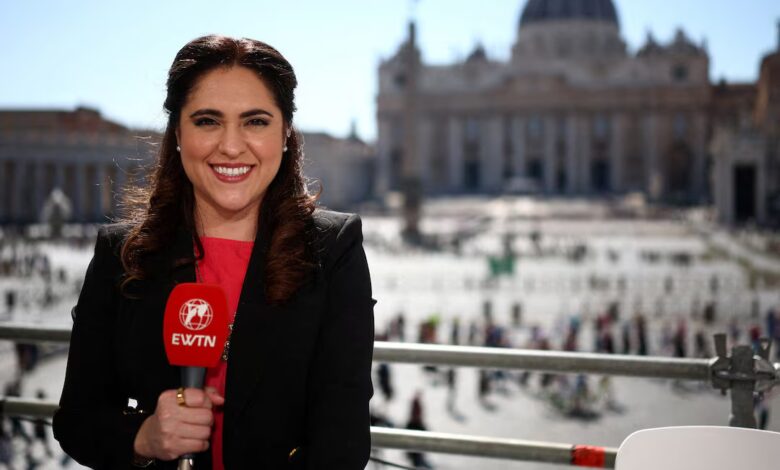
In one of the most significant appointments at the beginning of Pope Leo XIV’s tenure, “Maria Monserrat Alvarado,” senior media director and head of the Catholic news network EWTN News, has been appointed as head of the Vatican’s Dicastery for Communications; a decision that not only makes her the first lay woman to lead one of the Vatican’s main institutions, but has also been noted by observers as a symbol of the continuation of structural reform processes in the Catholic Church. However, Alvarado’s media background and some of her previous positions have sparked new debates in Catholic circles from the very first hours following the announcement of this appointment.
The Vatican has announced that Alvarado will assume responsibility for the Dicastery for Communications starting November 1, 2026, and will succeed Paolo Ruffini. This institution oversees all media branches of the Holy See, including Vatican News, Vatican Radio, the newspaper “L’Osservatore Romano,” and the Vatican Press Office. Vatican official sources have evaluated this appointment as part of the policy of greater participation of lay people at senior management levels of the Church.
Alvarado, who was born in Mexico City and also holds American citizenship, worked in the media field and in defense of religious freedoms before joining EWTN. She has experience working with Spanish-language media and has held management positions at the Becket Fund for Religious Liberty.
The significance of this selection is not limited to its gender aspect. Many Church analysts have also found the appointment of a manager from the EWTN network notable; a media outlet that in recent years has been repeatedly at the center of internal controversies within the Catholic Church due to its conservative positions and criticisms of some of Pope Francis’s approaches. However, observers believe that Alvarado’s selection could be a sign of Pope Leo XIV’s efforts to create balance among different factions within the Church.
Coinciding with the release of the appointment news, some Catholic activists and media outlets once again referenced an interview with Alvarado from 2022 in which she discussed Christian-Jewish relations. In part of that conversation, she had stated: “It is obvious that the belief that all Jews should become Christian is fundamentally wrong.”
She had also said: “Rather than accepting that they are our brothers and sisters and that we walk hand in hand together toward salvation and that they are a chosen people, there is the idea that all Jews should become Christian, which is indeed fundamentally wrong.”
The republication of these statements led some conservative critics to compare her views with traditional Church teachings about the place of faith in Christ in salvation. In contrast, advocates of interfaith dialogue believe that Alvarado’s statements fit within a comprehensible approach that has been pursued since the Second Vatican Council for the development of Jewish-Christian relations.
On the other hand, Alvarado’s previous membership in the Spanish-language advisory board of the Philos Project has also attracted the attention of some religious media outlets. The Philos Project is an American organization active in the field of Jewish-Christian relations and support for Israel, which in recent years has faced different assessments from both its supporters and critics.
Despite these controversies, what is currently subject to consensus among most international media is the historical significance of Alvarado’s appointment in the Vatican structure; an appointment that could have a significant impact on the Catholic Church’s media strategy in the digital age and on how this institution communicates with global audiences in the coming years.