Masih Alinejad: As the Mothers of Aban Say, ‘Protests’ Continue
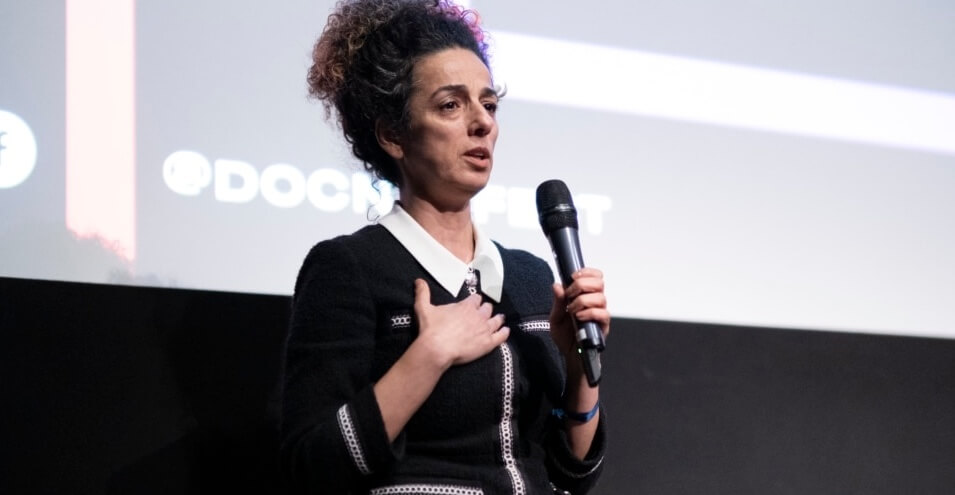
The documentary film “Be My Voice” dedicated to the life and activities of Masih Alinejad, a journalist, social activist, and host and commentator of the Tablet program at Voice of America’s Persian Service, premiered at the New York Documentary Film Festival.
In addition to examining the life of Masih Alinejad, this film also investigates the campaign against forced hijab and the Aban protests.
This documentary, directed by Nahid Persson, was screened on the evening of Tuesday, November 25 (Aban 25) during the New York Documentary Film Festival. Following the film screening and a question-and-answer session, Masih Alinejad spoke with Voice of America’s Persian Service, expressing her satisfaction that the film “Be My Voice” was released simultaneously with the anniversary of the Aban protests in Iran.
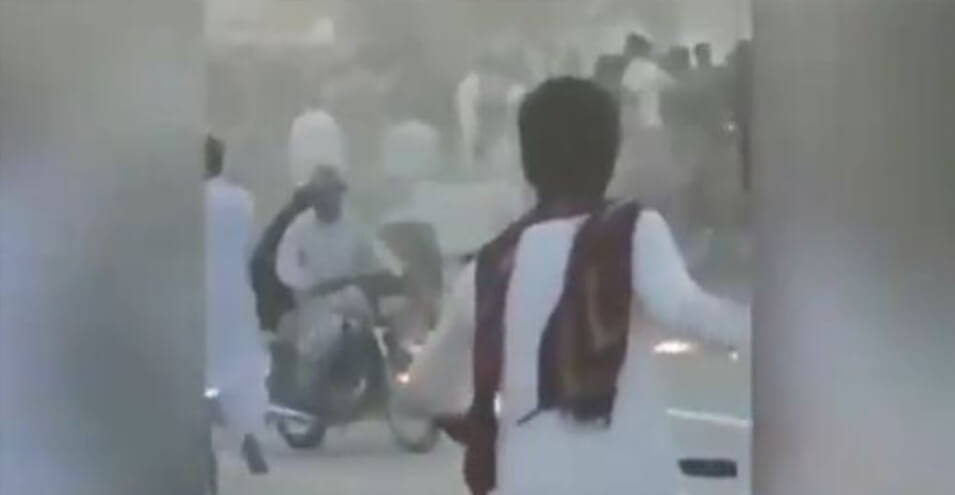
Ms. Alinejad said: “It was very important to me that the documentary Be My Voice be the voice of all those ordinary people who protested in Aban with a simple camera. Because in this film, I represent any ordinary citizen who feels responsible instead of being indifferent. From the streets, a girl who films and says: Masih, they are killing people here. Yet she doesn’t give up. And she chants again, death to Khamenei.”
Masih Alinejad added: “This film was the voice of Aban. Because in Aban, ordinary people took to the streets. People who went further than many journalists, political activists, and further than many so-called activists, expressed their protest against Khamenei and against dictatorship. That’s why it was important to me; because I don’t think Aban is over. As the mothers of Aban say, the Aban protests continue.”
Regarding the most difficult moments she experienced during the making of this film, she referred to her brother’s arrest and said: “They told me: don’t call at all. I broke down a lot.” She explained how she told the director several times that she didn’t want that part of the film to be released, because “when the government sees me broken, it hurts me more. But Nahid [Persson, the film’s director] resisted and said: this is your life. When I am with you throughout the day, you cry, you fall, you break, and you get back up and protest again. I can’t censor you!”
Masih Alinejad says that when her sister spoke against her, it was very difficult for her, and she didn’t even want to watch that scene in the cinema, because “I see that many people inside Iran are standing with courage” and “my brother did not stand against me, he resisted, and he paid the price of two years in prison.”
She says that although this film starts with the topic of hijab, it reaches Aban, and “many people might say, wasn’t Masih in a struggle with hijab? Why is it now about the Aban protests and why is it about overthrowing the system? … The reality of Iran is that we are always in a fight.”
Masih Alinejad then expressed her view on the importance of fighting forced hijab and said: “The Islamic Republic came with the hijab, and the hijab is like a pillar for it. When an Iranian woman can say no to religion, to the first coercion, she will also say no to dictatorship.”
Ms. Alinejad, appreciating the narrative style and storyline of this film, said that although the story of this film starts with her, it reaches “real heroes like the mother of Mostafa, the mother of Pouya, the mother of Ibrahim,” the mothers of other victims, and those who fight in the streets with a simple camera in hand. “You see CNN reporters, New York Times, Bloomberg, everyone is in Iran. But where did the news of Iran come from? It was the work of ordinary people. That’s why I think the story was told well. Because its director was also Iranian.”
The documentary film “Be My Voice” won the audience award for best film at film festivals in Poland and Italy.
Source: Voice of America