Mohammad Raji, Gonabadi Dervish, Dies in Detention ‘Due to Inflicted Blows’
Reports from Iran indicate that at least one of the dervishes arrested during the unrest two weeks ago on Golestan Haftom Street in Pasdaran, Tehran, has died in detention.
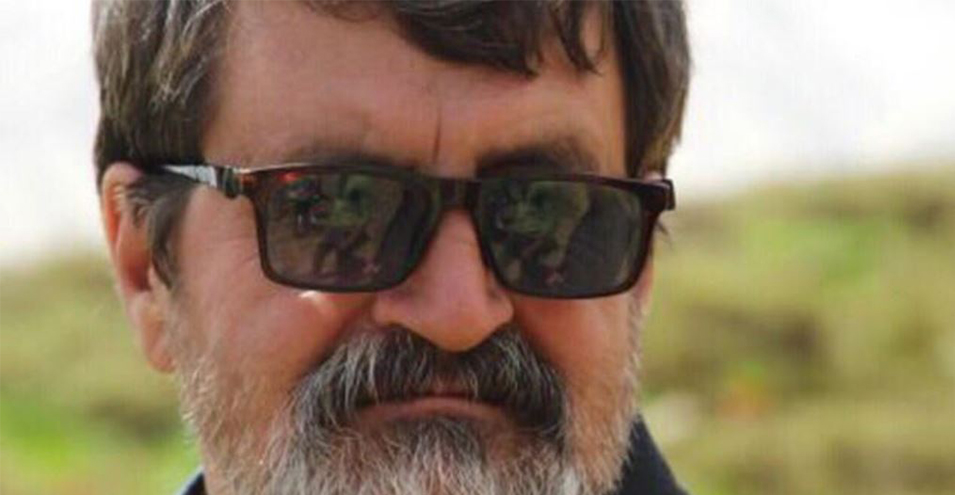
The Mojzouban Noor website, which publishes news about Gonabadi dervishes, reported on Sunday, March 3, that police officers informed the family of Mohammad Raji, a 56-year-old dervish who was arrested during the Monday, February 19 incidents in the Pasdaran area, that Mr. Raji has died.
According to the website, officers summoned Mr. Raji’s family to the intelligence office on Shapour Street on Saturday, stating that he was in a coma, but one day later, law enforcement officials informed them that Mr. Raji had died as a result of inflicted blows.
The Mojzouban Noor website reported that Mr. Raji was a commander in the Islamic Revolutionary Guard Corps during the Iran-Iraq War. His daughter also told some news websites that Mr. Raji commanded several IRGC battalions during the Iran-Iraq War and had suffered disability and lung problems from the war.
Mohammad Raji is one of hundreds of dervishes arrested during the February 19 unrest and clashes with police officers. It is reported that Mr. Raji’s son is also in detention.
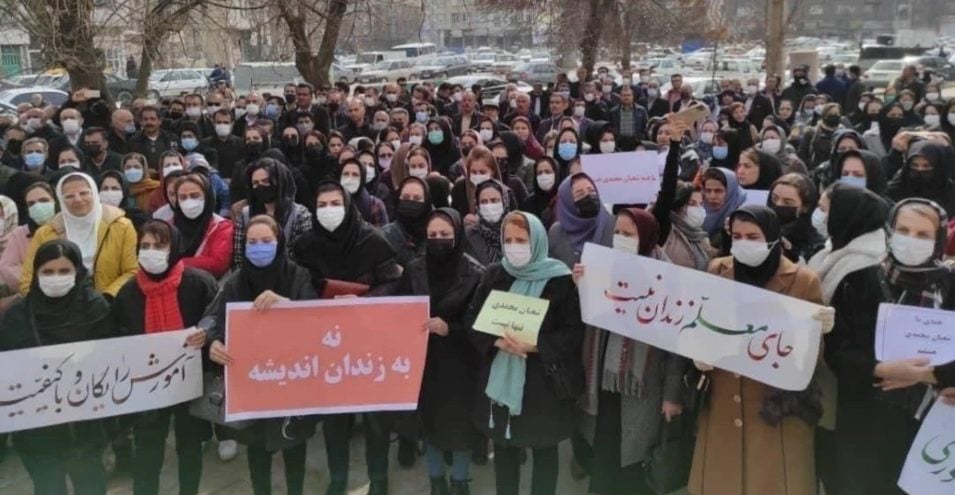
A group of Gonabadi dervishes gathered on Monday, February 19, in front of the Pasdaran Street police station in protest against the continued detention of elderly dervish Nematollahe Riahi and chanted slogans.
The gathering subsequently turned violent with the intervention of special police units, leading to severe clashes between dervishes and officers. Iranian official sources later announced that three police officers were killed in an attack by a bus and two Basij forces also lost their lives during these events.
Farhad Nouri, a dervish rights activist, told “Human Rights Campaign in Iran” about the condition of dervishes arrested in the police attack on Pasdaran Street in Tehran that 170 dervishes were hospitalized in four Tehran hospitals due to beatings.
Tehran judicial authorities have threatened to take action against the dervishes. The Mojzouban Noor website also wrote that arrested dervishes were charged with “assembly and conspiracy against national security, propaganda against the system, participation in illegal gatherings, and disruption of public order and peace.”
In recent years, numerous Gonabadi dervishes have been arrested and imprisoned on security charges.
The United States government and international human rights organizations have repeatedly condemned Iran’s suppression and violation of the rights of ethnic and religious minorities.
In the latest U.S. State Department report on the absence of religious freedoms in various parts of the world, including Iran, it referenced harassment of dervishes and violation of their rights, stating: “The United States will continue to be the voice of those who—in Iran and around the world—seek to live peacefully in accordance with their consciences.”
Source: Voice of America