Morgues Filled with Bodies: Involuntary Confession by State Broadcaster Reveals Hidden Massacres of the Islamic Republic
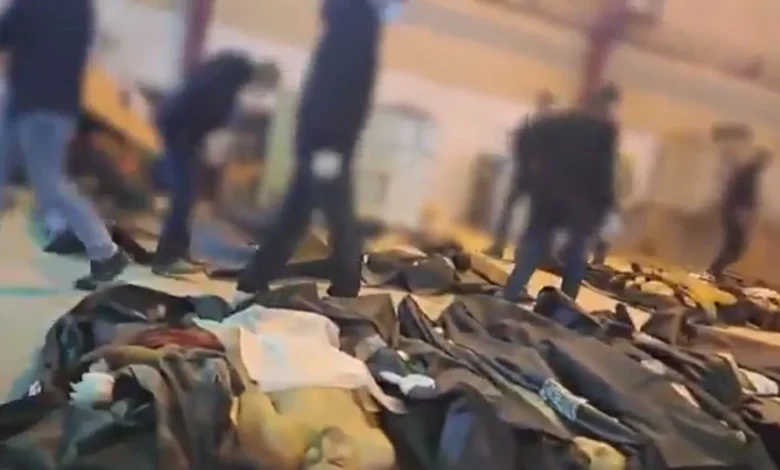
Involuntary confessions by a state broadcaster reporter have lifted the veil on warehouses filled with bodies and organized crimes committed by the Islamic Republic against the Iranian people.
Sometimes truth emerges not from the mouths of victims, but from the lips of power’s media servants; and not intentionally, but through a slip of the tongue that can no longer be contained. Recent statements by “Mohammad Naghinipour,” a state-affiliated reporter, are a striking example of such involuntary confessions; revelations that expose the hidden dimensions of the largest contemporary massacre in Iran.
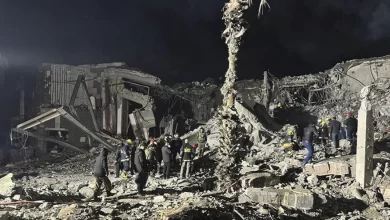
In a broadcast by the Islamic Republic’s state television, Naghinipour, referring to the condition of the forensic medicine facility following the crackdown on protests, said: “All the warehouses were full. The forensic medicine facility, having 4 large warehouses and 3 small ones, was overwhelmed by the high number of casualties and did not expect such numbers. Some of the body covers were left open so families could come for identification; they had to search around and check the covers one by one to find their relatives’ bodies. Sometimes they couldn’t find them, and when subsequent batches of casualties arrived, families would return to search again. Some bodies were unidentifiable due to severe facial injuries.”
If such a statement had come from an independent official or a free press reporter, it might have been quickly censored or denied. But when such a description is broadcast from the government’s official tribune, it can no longer be called “rumor” or “exaggeration by hostile media.” The simple and horrifying question is: “Warehouses full of the bodies of whom?”
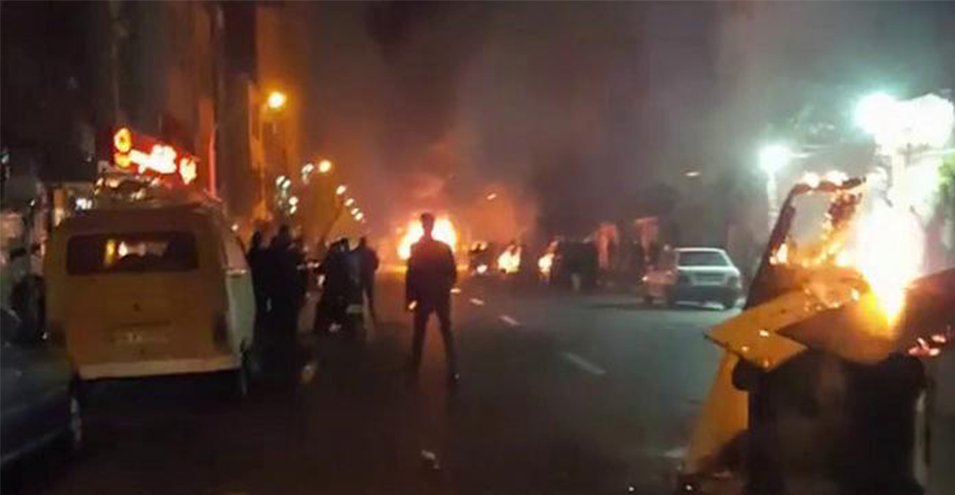
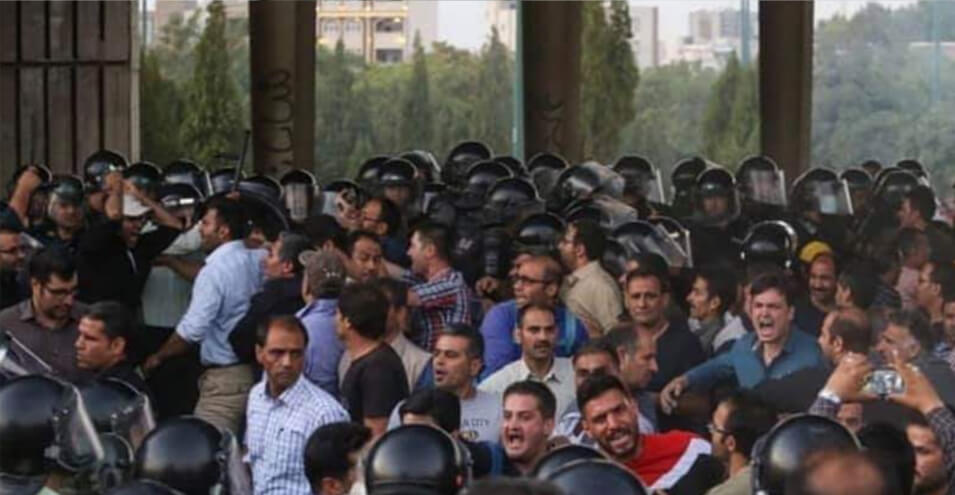
Iran International’s editorial board, regarding this video, issued a statement declaring: “In the largest massacre in contemporary Iranian history, the suppression forces of the Islamic Republic killed at least 12,000 people over two consecutive nights, Thursday and Friday, December 18-19; a massacre that took place not in a battlefield, but in streets, alleys, and even around medical facilities.”
Images and videos released from this massive massacre paint a picture that goes beyond “suppression” and resembles military operations against unarmed civilians. Reports indicate the use of war bullets and direct fire, even from places that should be sanctuaries for people’s safety. Some citizens, by disguising their voices, have recorded videos stating that in some cases, wounded individuals lying in the streets were shot with lethal shots.
Many videos released by nurses and some doctors indicate that bullets were primarily aimed at the upper body (heart, neck, face, and head).
A citizen from Shahroud reported in a shocking message that in that city, government forces fired from the rooftop of the “Bahar” women’s and maternity hospital toward protesting crowds. This account, though horrifying, is not an exception; rather, it is part of a recurring pattern in recent crackdowns.
Semnan province was also the scene of widespread protests by bazaar merchants, academics, and citizens; protests in which the slogan “The Pahlavis are returning” could be heard. Simultaneously, a contact in Tehran reported the firing of war bullets toward crowds and said traces of these bullets still remain on metal doors of buildings; physical evidence that no statement can erase.
Meanwhile, the Islamic Republic’s judicial and security officials, without the slightest reference to human casualties, have repeatedly emphasized harsh and swift treatment of the people. This is the language of a government that is neither accountable nor remorseful.
But the resonance of these crimes has crossed Iran’s borders. The Munich Security Conference announced that it has revoked invitations to representatives of the Islamic Republic’s government, and none of Iran’s official authorities will attend this conference in the coming period. The conference’s spokesperson confirmed that although invitations had been sent, given recent developments, these invitations are no longer valid.
On another level, the government’s efforts to silence the truth through internet shutdowns have faced serious challenges. Reuters reported that the suppression of dissidents in Iran has become one of the toughest security tests for Starlink, a service that has become a vital tool for communication and documentation against internet cutoffs.
Despite Starlink being banned in Iran, reports indicate that tens of thousands of terminals have been smuggled in; terminals that have now become the world’s eyes in the midst of suppression, preventing warehouses full of bodies from being buried in silence.
Today, the Islamic Republic not only kills people, but seeks to hide the numbers, locations, and memory of the massacre; yet confessions like those broadcast on state television show that the scale of these crimes is so vast that even the government’s propaganda apparatus can no longer contain the truth.
The warehouses are full; not just with bodies, but with evidence that will one day testify against this government.
#WarehousesFull #InvoluntaryConfession #MassacreOfProtesters #GovernmentCrimes #OfficialLies #JusticeForAll #HumanRights #Reporter
#IranMassacre #JusticeForIran