Mosques in 132 Districts and Schools in “Low-Risk” Areas Reopen in Iran
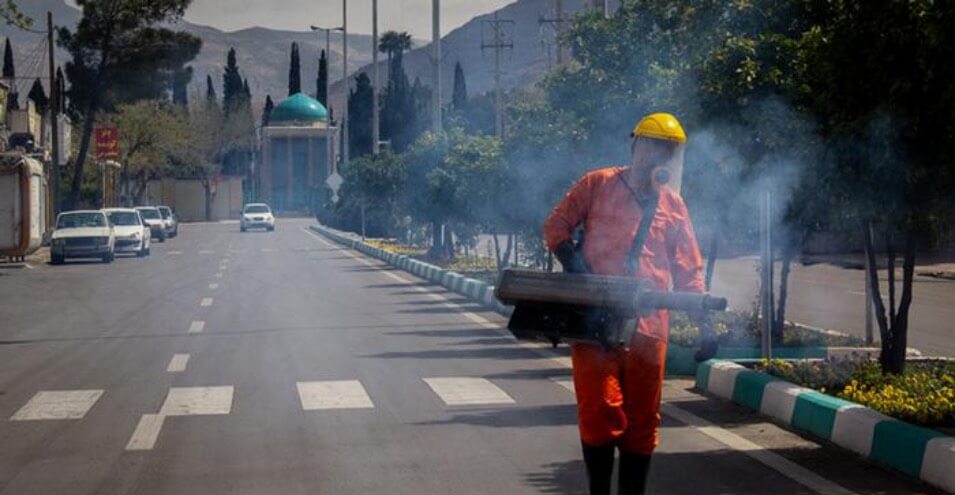
Hassan Rouhani announced at a coronavirus task force meeting the reopening of mosques in 132 districts. He also stated that schools in “low-risk areas” will resume operations. Sports centers and some trades will even be reopened in “red zones.”
Hassan Rouhani announced new government decisions on Sunday, Ordibehesht 14 (May 3), at the coronavirus task force headquarters. Among these decisions is the opening of mosques starting Monday, Ordibehesht 15, in 132 districts that have a “low-risk” status. The government’s media office also wrote on Twitter, quoting him: “It was decided that schools in low-risk areas will reopen on Ordibehesht 20 while observing protocols, and we will have one month of education followed by exams; I was concerned about how the protocols would be implemented; it was decided to change it to Ordibehesht 27 and until then it will be further studied; no concerns should be created.”
According to ISNA’s report, among the decisions of Sunday’s meeting is the phased reopening of certain trades such as salons and sports centers “even in red zones.”
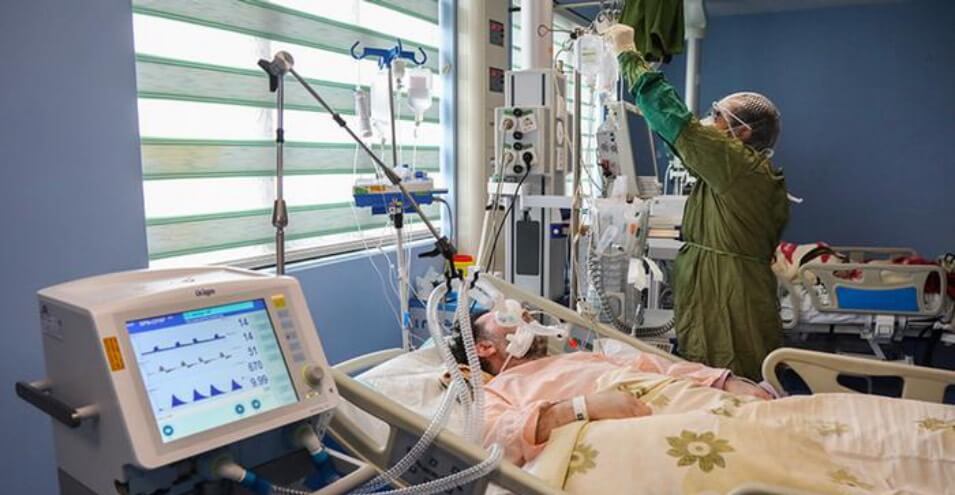
According to Kianosh Jahanpour, spokesperson for the Ministry of Health, the latest coronavirus statistics in Iran indicate the identification of 976 new cases of coronavirus in the past 24 hours, bringing the total number of COVID-19 cases to 97,424. By Sunday, 6,203 people have lost their lives due to this disease in Iran.
Is There Room for Concern?
Hassan Rouhani reassured the public in his remarks today that there is no cause for concern regarding the phased reopening of work and business in red zones or the reopening of schools. This comes as many families, particularly in major cities, are concerned about their children traveling on streets and in crowded vehicles, as well as about schools where it is unclear what “protocols” will be in place and how they will be “observed.” This concern has also manifested itself on social media.
The government’s decision to resume mosque activities, trades, and schools has particularly bewildered those who closely deal with coronavirus patients and hospitals, who believe there is still no guarantee for public safety against coronavirus.
The Dichotomy of Science and Religion, or Life and Livelihood
The head of government spoke in his remarks today about concerns regarding the possibility of society becoming polarized between science and religion, or the dichotomy of life and livelihood among policymakers: “At certain times we were concerned about the polarization of society, and thank God this polarization did not occur; at one time I was concerned that restrictions on gatherings could create a polarization between religion and science; the religious leaders and authorities did not allow this polarization to occur. At times when we started reopenings, there could have been a dichotomy between life and livelihood, but this dichotomy did not materialize and everyone understood that we must both preserve life and ensure livelihood. Both the Ministry of Health and the Ministry of Interior and all institutions alongside the people and political factions did not allow any polarization to occur.”
However, examining events in recent days across Iran demonstrates that the government has faced pressure from this very “dichotomy of science and religion” and has been forced to make certain decisions; including making the decision to reopen mosques under pressure from the Shia clergy, despite clear warnings from the Health Ministry spokesperson and the coronavirus task force head in preceding days. Other news also shows that some hardline groups have not stopped attempting to organize gatherings.
On Saturday, Ordibehesht 13, it was announced that restrictions on some gatherings, including religious gatherings, had not yet been lifted. However, the “Entekhab” website reported, citing those in charge of the Qadim al-Ahsan Foundation, that a mourning prayer ceremony was shut down with police intervention.
Anushiravan Mohseni Bandpay, the governor of Tehran, also announced the suspension of holding religious ceremonies at the Tehran Arg Mosque, and Ali Rabiei, the government spokesman, emphasized that the only institution that can make decisions regarding the reopening of religious sites is the Ministry of Health, and those who “have official platforms” should allow “the relevant working groups to make decisions on this matter with peace of mind and calm.”
The dichotomy of religion and science most notably manifested itself in the early weeks of news about the spread of coronavirus in Iran, when some groups aggressively demanded the reopening of religious sites in Qom and Mashhad. In hospitals, people put fingers in patients’ mouths and committed many other irregularities.
Canceling Quds Day March “Will Not Matter”
Alongside religious ceremonies, political programs such as the Quds Day march are also tied to the identity of the Islamic Republic and hold special importance. On Sunday, during Ramadan, Ramezan Sharif, spokesman and head of public relations for the Islamic Revolutionary Guard Corps, at a meeting on “coordination regarding how to commemorate the International Day of Quds,” referred to the desire to hold this ceremony in some cities and made a statement that clearly reflects the dichotomy Hassan Rouhani spoke of:
“Given the current circumstances, if we openly say that the International Quds Day march will not be held physically and in the streets, it will not matter and we should not be worried about what enemies will judge regarding this matter.”
According to ISNA’s report, he rejected the proposal made at this meeting to hold the Quds Day march in some cities with the reasoning that: “If this march is held in some cities and not held in others, it will cause more damage because foreign media’s standard for judgment in this regard is holding the Quds Day march in Tehran, and given Tehran’s situation regarding the spread of coronavirus, it is unlikely that the march can be held in Tehran.”
Regarding the president’s statement about the absence of a life-and-livelihood dichotomy, there are millions of complainants—millions of people who even before coronavirus struggled to find bread to eat, and now with the spread of coronavirus are experiencing free fall into the abyss of hunger. Statistics show that 70 percent of construction workers and seasonal workers have lost their jobs. Crowds of workers in service and production units have also become effectively unemployed.
Construction workers, day laborers, street vendors, workers in trade and service units, uninsured workers… all have been abandoned without any income or support in the coronavirus crisis. This is just the first few lines of a long list of “life-and-livelihood dichotomy” in Iran today.
Source: DW