Nationwide Protests Continue Three Years After Mahsa Amini’s Death

Nationwide protests by the Iranian people continue on the third anniversary of the government-ordered killing of Mahsa Amini.
Reports, images, and videos shared on social media show street protests and international calls for justice, faith, and resistance against the repressive apparatus in various cities, three years after Mahsa Amini’s government-ordered death.
Cities such as Saghez, Tehran, Karaj, and other provincial centers continue to witness gatherings, movements, and street actions that emphasize the continuation of the “Woman, Life, Freedom” movement, commemoration of the deceased, pursuit of justice, and standing against oppression.
Today, Thursday, September 27 (September 18), Iranian people are still in the streets of various cities. In response to the question “If only one action could continue Mahsa’s movement, what would it be?”, these honorable people—from commemorating the victims to promising freedom and accountability for commanders and perpetrators—have expressed the slogan “We neither forgive nor forget,” along with daily actions such as letting their hair blow in the wind and raising voices for freedom.
Some observers focused on ensuring that Mahsa’s blood and the lives of those killed in the “Woman, Life, Freedom” movement are not trampled. Some, saying “the morning of victory” is near, demanded that those who ordered and carried out Mahsa’s killing be held accountable. Other messages were symbolic: audiences called Mahsa (Zhina) Amini an “inextinguishable light” and “the heart of the movement.”
One observer wrote: “Mahsa’s name has become a lasting symbol of resistance and freedom-seeking; a voice that rose from Iran’s streets and today inspires a global movement.”
Among the messages, some addressed Khamenei, the leader of the Islamic Republic, saying: “His ideological structure of rule has been weakened, and the policy of ‘mandatory hijab’ has been effectively pushed back.”
Additionally, there are messages speaking of personal costs. One person wrote that both he and his sons participated in the “Mahsa uprising” and his sons were hit by rubber bullets, yet they still dream of freedom.
Another said he was shot in the foot during the 2022 protests and has made a covenant with that injured foot to “fight until the complete victory over the savage and terrorist regime with my last drop of blood.”
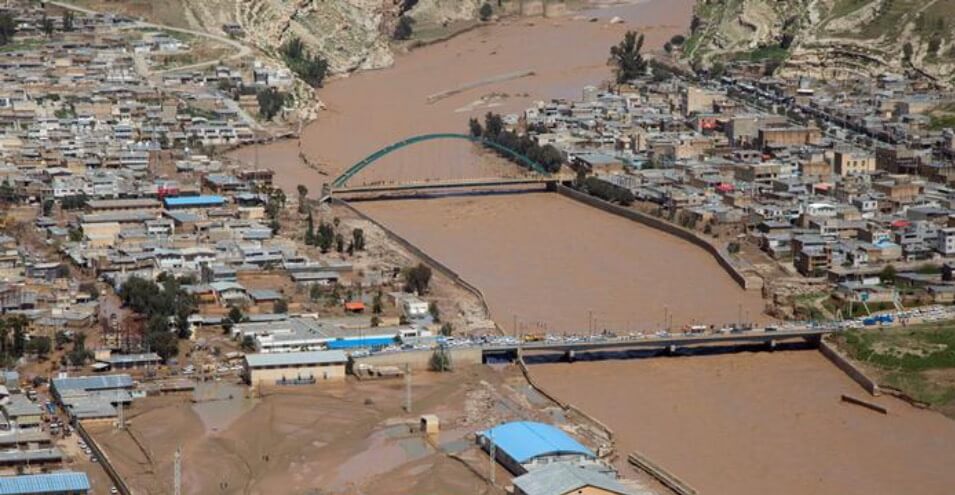
The image of hope for the future has been reflected repeatedly in these messages. The use of the metaphor of “a flood of people” against “a flood of water” to change the government, talk of “a great celebration throughout the country,” and promises of people emerging from under the oppressor’s rule.
Many wanted resistance to begin from themselves and their own cities. One observer wrote: “Everything this government does in opposition to the people is an axe blow to its own rotten roots, and this sound heard from the government is the sound of its final blows.”
Many people who have been present in the streets from the third anniversary of Mahsa’s commemoration through today, Thursday, have defined the condition for victory as preserving the memory of the victims, pursuing justice and accountability, continuing street presence, daily symbolic actions, and insisting on freedom.
Women at today’s protests carried photos of their deceased children and stood in the streets of Saghez, Tehran, and Karaj with candles and flowers as symbols of patience and resistance against oppression.
A young person who still has a rubber bullet in his foot wrote a message to Mahsa: “My dear little sister! Forgive me for not taking better care of myself so I could continue fighting alongside the youth of my country against a handful of savages for my country’s freedom; but I have made a covenant to remain in this struggle until my last drop of blood.
Young girls also walk in the streets of Sanandaj and Shiraz with uncovered hair and colorful clothing, which is a sign of resistance against mandatory hijab policy.