New Wave of Cafe and Restaurant Closures in Tehran Amid Clear Contradiction in Enforcement of Hijab Laws
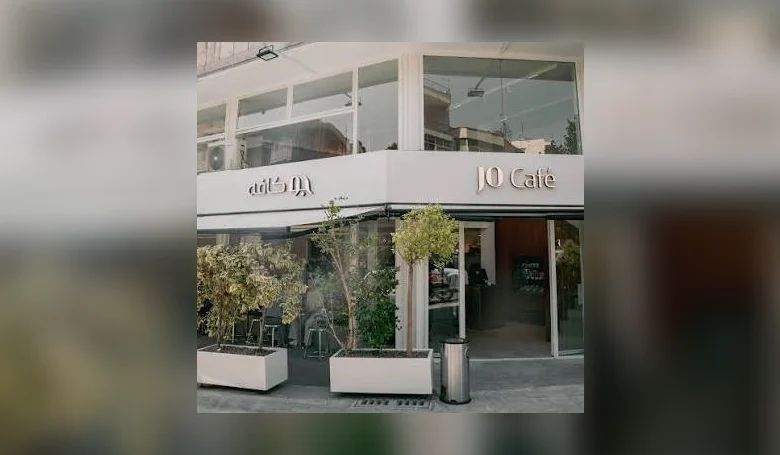
As several well-known cafes on Tehran’s Sanai and Iranshahr streets are being sealed off, a new wave of action against commercial establishments has continued under the pretext of hijab compliance and observance of Islamic protocols. This occurs even as published images from government gatherings have repeatedly shown women attendees without mandatory hijab or with dress similar to what would trigger legal action against ordinary citizens—a contradiction that has once again intensified criticism of selective enforcement of laws in the Islamic Republic.
A fresh wave of cafe and restaurant closures in Tehran has renewed concerns about increasing pressure on private businesses. According to published reports, a number of well-known cafe-restaurants in the Sanai and Iranshahr street areas have been shut down and sealed by order of responsible authorities; an area that has become one of the capital’s most important cultural, artistic, and social centers in recent years.
According to released information, establishments including “Joe Cafe,” “1401,” “Sam Cafe,” “Two Bar,” “Man,” “Nook,” and “Theory” are among the venues whose operations have been halted. As of this report’s publication, Islamic Republic officials have provided no formal and comprehensive explanation for these actions, though reports from human rights organizations indicate these establishments were targeted for reasons including “failure to observe Islamic protocols,” with some cafes in the area having received prior warnings regarding mandatory hijab requirements.
Meanwhile, domestic media outlet “Emtedad” has reported that the reasons cited for action against these commercial units have been inconsistent, with matters such as the presence of sandwiches on menus, placement of chairs on sidewalks, and in one case, the hijab issue, among the reasons given for issuing warnings.
These actions come as Iran’s economy continues to struggle with inflation, recession, and declining purchasing power among citizens, with many small business owners, cafe and restaurant proprietors suffering from economic pressures and declining customer numbers. Forced closure of these establishments could inflict significant financial damage on business owners and their employees.
This is not the first time cafes and restaurants have been shut down under the pretext of enforcing hijab regulations or other cultural standards. In recent years, hundreds of commercial establishments in Tehran and other Iranian cities have been sealed by order of Islamic Republic authorities for reasons such as “failure to ensure customers’ hijab compliance,” hosting live music, or certain matters related to interior space arrangement.
However, what has once again drawn public attention is the stark contradiction in how hijab laws are enforced. Since the onset of nationwide protests in December 2024, and especially following the “Woman, Life, Freedom” uprising, numerous images and videos have been released from government gatherings and rallies showing many women present without mandatory hijab or wearing attire that would normally trigger legal action against ordinary citizens, appearing before government media cameras and even conversing with journalists.
In contrast, many cafes, restaurants, and commercial establishments have faced closures, warnings, or shutdowns due to what is termed “failure to ensure customers’ hijab compliance.” This disparity in law enforcement, according to many observers and civil activists, reflects selective application of laws and dual treatment of citizens and businesses; an issue that has always been a primary focal point of criticism regarding Islamic Republic policies in the sphere of social freedoms and civil rights.
Critics argue that if mandatory hijab compliance is the basis for law enforcement, this law should be applied without discrimination. If alleged violations are overlooked at government gatherings, then taking action against business owners on this pretext increasingly reinforces suspicions of instrumental use of the law to pressure the private sector and restrict social spaces.