Parliament Member Says System Officials Should Not Give Foreign Persian-Language Media “Ammunition”
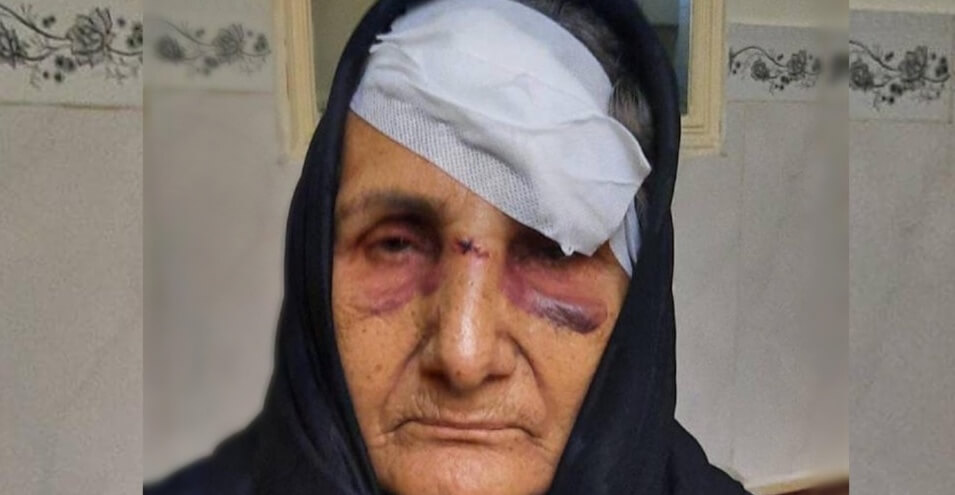
The Vice Chair of the Legal Committee of Iran’s Islamic Consultative Assembly, referring to news topics such as Navid Afkari, Gohar Eshghi, the audio file of the Islamic Revolutionary Guard Corps, and Catherine Shakdam, says that foreign Persian-language media outlets are looking for topics to “question the system” and officials should be careful not to give them “ammunition.”
Mohammad Mouhad, Vice Chair of the Legal Committee of the Islamic Consultative Assembly, on Tuesday, April 2, in an interview with IRNA, accused foreign media outlets outside Iran of “polarization” and “exploiting trends” and asked officials to observe “issues” in their actions “so as not to give ammunition to enemies, especially foreign Persian-language media outlets; because they are waiting for even a small incident to occur in the country” to “advance their own goals.”
Previously, Ayatollah Ali Khamenei, the Leader of the Islamic Republic, regarding a leaked audio file of corruption in the Revolutionary Guard Corps, claimed that “slander” against the Islamic Consultative Assembly, the Guardian Council, the Revolutionary Guard Corps, and Qasem Soleimani are among the matters “designed by enemy think tanks” and “enemy think tanks” want to engage in “mud-slinging” against the Revolutionary Guard Corps and Qasem Soleimani.
This comes as in an audio file containing remarks by Mohammad Ali Jafari, the former Commander-in-Chief of the Revolutionary Guard Corps, and Sadegh Zolghadr, the Economic Deputy of the Revolutionary Guard Corps, about financial corruption in this institution, which was released some time ago and confirmed by IRNA, a news agency close to the Revolutionary Guard Corps, reference was made to the role of Qasem Soleimani and his connection to major financial corruption cases related to the Quds Force of the Revolutionary Guard Corps, the Cooperation Foundation of the Revolutionary Guard Corps, and the Tehran Municipality.
The Vice Chair of the Legal Committee’s reference to matters such as the execution of Navid Afkari and the attack on Gohar Eshghi comes as Saeeid Afkari, the brother of the wrestler executed in Iran, previously, while emphasizing public support for his family and the reaction of authorities, said that even “after Navid’s execution” they remain “still nervous and angry” despite the public’s unity.
Gohar Eshghi also in a video released on Saturday, December 20, just two days after the suspicious assassination attempt on her, on the Instagram account of the Setareh Beheshti Foundation, described how this assassination attempt occurred.