Part of Documents on Massive Costs of Lake Urmia Revival ‘Do Not Exist’
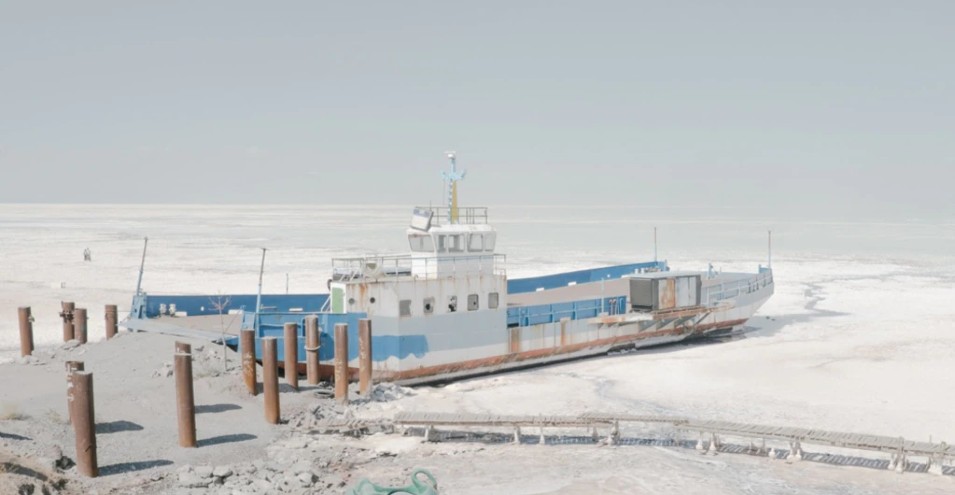
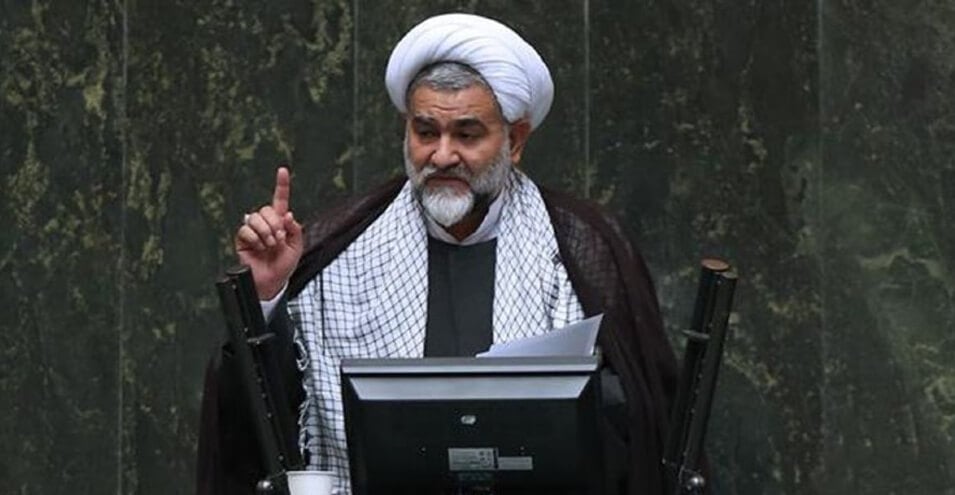
The head of the environmental faction in the Islamic Consultative Assembly reported a lack of transparency regarding expenses incurred under the banner of Lake Urmia revival, stating that some of the “documents on the massive costs of Lake Urmia revival do not exist.”
Somayeh Rafiei said on Tuesday, September 6, in an interview with ILNA news agency that “significant expenses have been incurred for the revival of Lake Urmia, some of whose documents exist and others do not, but these expenses have not yielded desirable results.”
The head of the environmental faction in the Islamic Consultative Assembly added: “The majority of expenses were spent on repetitive and fruitless studies, and in practice, what should have happened did not happen.”
Despite emphasis by various government officials on the impact of droughts on the drying of the world’s second-largest salt lake, Somayeh Rafiei stated on Tuesday that “according to the former head of the Lake Urmia Revival Headquarters, 85 percent of the reasons for Lake Urmia’s current condition were related to human interventions, and only 15 percent resulted from climate change.”
She emphasized: “Before reviving this lake, we should have adopted a comprehensive protection program, but not only did no protection occur, but destruction increased, and wrong decisions were made including unauthorized extractions for agricultural development and changes in crop types.”
While experts say 95 percent of Lake Urmia has dried up, Masoud Tajrishi, former director of the planning office of the Lake Urmia Revival Headquarters, recently announced that the thirteenth government has suspended providing information for planning the lake’s revival.
Mr. Tajrishi said he does not know what plan the thirteenth government has for the lake’s revival, as none of the 24 letters from the Lake Urmia Revival Headquarters have been answered.
Concerns about Lake Urmia’s condition date back to 2000, when some experts and even government officials warned about the effects of drought on Lake Urmia.
Following these concerns, the “Lake Urmia Rescue Task Force” was established in 2013, and then the “Lake Urmia Revival Headquarters” was formed under the government to revive Lake Urmia in a ten-year program, and the responsibility of the Lake Urmia Headquarters was assigned to Issa Kalantari, who claimed in 2019 that “by 2027 we will witness the ecological revival of Lake Urmia.”
Accurate information about completed projects and the lake rescue process cannot be found on the headquarters’ website, but from its Telegram channel it can be seen that to date 15 trillion tomans have been spent without a detailed report being released about the degree of project success and cost breakdown.
This process ultimately led to the dismissal of Issa Kalantari on July 19 of this year, while parliament members also approved a request for investigation and inspection of the Lake Urmia Revival Headquarters’ performance. No report on the outcome of this request has been issued to date.
Issa Kalantari, former head of Iran’s Environmental Protection Organization who himself oversaw the “Lake Urmia revival” process, warned on August 15 of this year that Lake Urmia must be revived at any cost, even at the expense of drying up agriculture in the region, because, according to him, “the drying of Lake Urmia will have security implications and no government can survive in the country.”
Masoud Pezeshkian, representative from Tabriz, has also warned that if this process continues, “more than 14 million people from Tabriz to near Tehran will be affected by salt dust.”
This parliament member has meanwhile acknowledged that “alongside mismanagement and drought, factional and political behavior and conduct, and failure to utilize capable individuals for the lake’s revival have added to its thirst.”
Source: Radio Farda