Power cuts continue in parts of Ahvaz
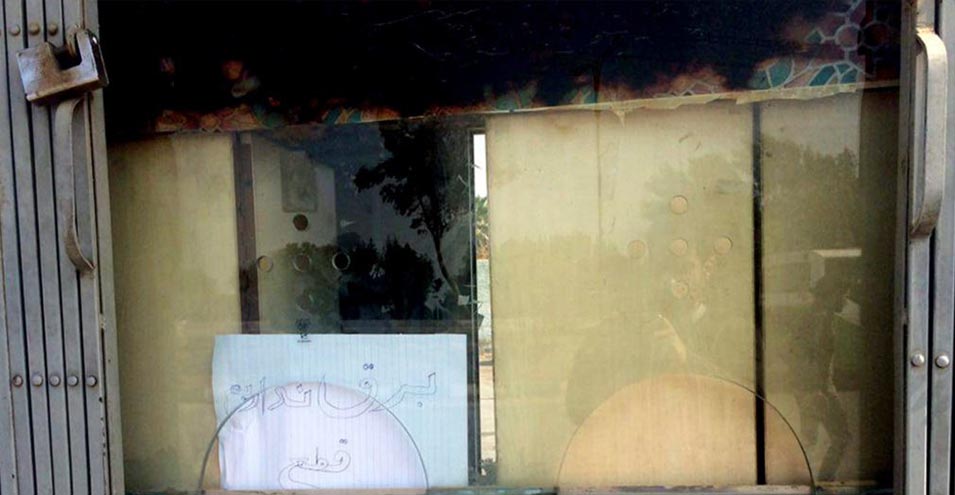
Following power cuts in Ahvaz due to temperatures exceeding 50 degrees and a transmission station catching fire, the CEO of Ahvaz Electricity Company announced that the problem has been “temporarily” resolved, but power remains cut to a “small section” of the city.
Meanwhile, reports have been published about power cuts in other cities in Khuzestan province, including Abadan and Izeh.
According to ISNA news agency, Hassan Karimi, CEO of Ahvaz Electricity Company, announced on Sunday, June 28, that “the main power problem in Ahvaz areas has been temporarily resolved.”
Mr. Karimi also stated that “only power to a small section” of the city remains cut.
He asked citizens to refrain from using electrical appliances except cooling devices.
According to Tasnim news agency, following an increase in air temperature to over 50 degrees Celsius and excessive electricity consumption, an Ahvaz power transmission station caught fire on Saturday evening, June 27, and other power transmission equipment in the city was damaged.
Meanwhile, Mahmoud Rozbehan, deputy commander of Ahvaz Fire Department, announced that the fire at the Sepideh power station in the city was brought under control on Saturday evening after four hours.
Tasnim news agency also reported that power in some areas of Abadan has been cut since Sunday morning, and no reports have been published about restoration of power in these areas.
Also according to Farspress, electricity and water in Izeh city have been cut multiple times in recent days.
While news agencies and Ali Safari, Ahvaz’s representative in parliament, reported air temperature in the city at over 50 degrees, Khuzestan Province’s Crisis Management Organization reported the air temperature at 49 degrees.
The organization also announced that based on a decision by the provincial governor, working hours for Ahvaz offices from Sunday to Wednesday will be until 12 noon.
According to reports, last week a group protest by female students of Shahid Chamran University in Ahvaz against malfunctioning cooling systems in dormitories escalated due to university security intervention.
However, Gholamreza Shariati, governor of Khuzestan, called for action against the “factors” responsible for disregarding the students’ demands.
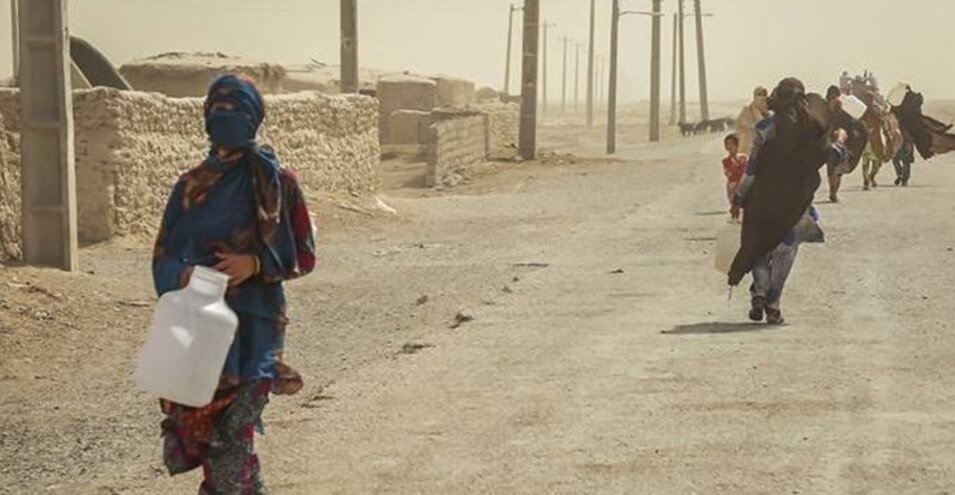
In the final week of Bahman 1395 (February 2017), power and water in Ahvaz and a number of cities in Khuzestan province were cut due to dust storms, and several Ahvaz citizens gathered multiple times in front of the provincial governor’s office.
Following these protests, Khuzestan’s police command issued an announcement banning any gatherings in front of the Khuzestan provincial governor’s office.
At that time, Iran’s state news agency IRNA reported that following these events, Hashem Baldi, general director of crisis management at the governorate, and Shahryar Bazarkar, general director of natural resources in Khuzestan, were dismissed.
After these events, Iran’s First Vice President, on the third of Esfand 1395 (February 22, 2017), conveyed the cabinet’s decision to allocate 30 billion tomans aimed at “stabilizing dust storm crisis centers” in the short term to five ministries and organizations.
Alongside the dust crisis, the issue of poor drinking water quality in some Khuzestan cities and water transfer schemes from the province to neighboring provinces have also led to protests in recent years.