Catholic Church: Why “We Will Tolerate No Anti-Semitism” Must Be Believed?
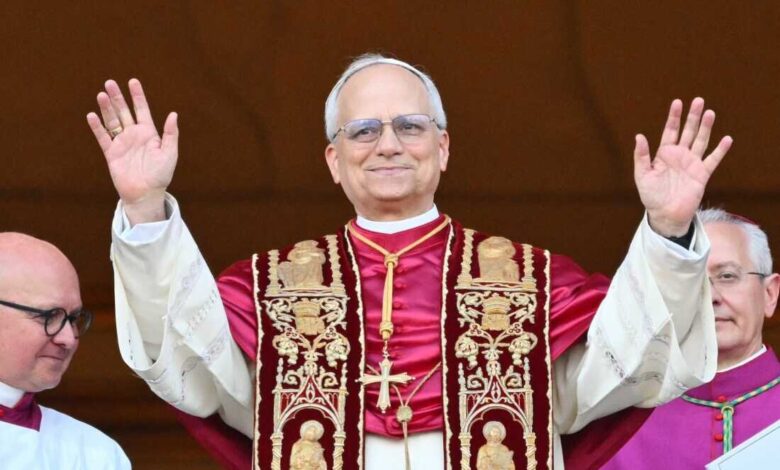
“Pope Leo the Fourteenth” stated in his remarks: “We will tolerate no form of anti-Semitism whatsoever, and this matter must become a conviction.”
Pope Leo the Fourteenth, the new leader of Catholics, declared in firm remarks that the Catholic Church will not tolerate any form of anti-Semitism and will fight against it. These statements were made at a time when tensions in Christian-Jewish relations and the role of the Church among religions have always been considered a sensitive point in the history of Christianity.
In a public session at Saint Peter’s Square, the Pope, referring to his church predecessors, emphasized that they too have repeatedly condemned anti-Semitism. He stated: “The Church fights anti-Semitism based on the teachings of the Gospel.”
Pope Leo also referenced the sixtieth anniversary of the issuance of the important and influential declaration “Nostra Aetate” and called it “a new window toward encounter, respect, and spiritual acceptance.” He added: “This document teaches us to accept followers of other religions not as strangers, but as fellow travelers on the path of truth.”
The Pope further clarified in his remarks that Nostra Aetate, for the first time in the history of the Church, elevated discussions about the Jewish roots of Christianity to the level of biblical and theological discourse, which at the biblical and theological level, will be an irreversible point.
He also, while emphasizing the shared heritage of Christians and Jews, said: “The Catholic Church, with the spiritual love of the Gospel, condemns any form of hatred, harm, persecution, and manifestations of anti-Semitism directed against Jews at any time and by anyone.”
In conclusion, the Pope asked Catholics to be active in dialogue and cooperation with other religions and to recognize and promote all that is good, right, and sacred in their traditions, because according to him “our world needs unity, friendship, and cooperation more than ever before.”
Pope Leo the Fourteenth’s remarks, while appearing decisive, also constitute a serious message to the Church and Christians around the world that it is not sufficient to merely express avoidance of anti-Semitism; rather, one must demonstrate genuine dialogue and cooperation with Jews in practice.
The choice of words such as “fellow travelers on the path of truth” and “an irreversible point,” in emphasizing the Jewish roots of Christianity, indicates an intent to deepen the bonds. However, at the same time, it provides an appropriate ground for critics to ask: Is the Church only committed at the level of statements, or will it take positions and decisions in practice that prevent the return of prejudices and bigotry?
For Christian audiences, these remarks can be an opportunity based on an invitation to transformation in the Church’s approach to relations with Jews, challenging old beliefs, and practical adherence to Gospel teachings about love, justice, and coexistence among religions.