Prince Reza Pahlavi’s Appeal to Pope Leo: Cry Against Silent and Systematic Persecution of Christians in Iran
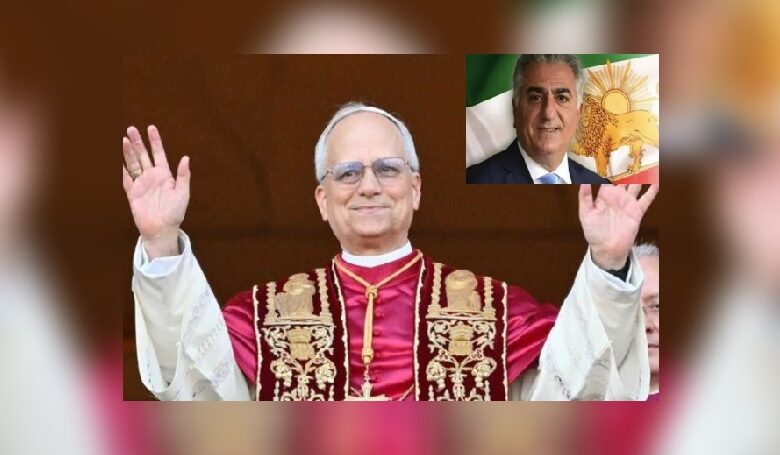
Prince Reza Pahlavi, in a letter to Pope Leo, called for raising the issue of Iranian Christians in international forums and demanding the release of prisoners of conscience due to “silent and systematic” persecution.
In an unprecedented move that highlights concerns about the suppression of religious minorities in Iran, Prince Reza Pahlavi, head of the National Council of Iran and a prominent opposition figure, sent a formal letter to Pope John Paul XIV, calling for Vatican support for the rights of the Christian community, while referencing the grave situation of Christians in Iran.
In this letter, published on the eve of the Christmas season, Pahlavi, warning of what he called “silent and systematic persecution of Christian believers,” urged the leader of Catholics worldwide to use the Vatican’s diplomatic influence to raise the issue of Iranian Christians at the international level and specifically demand the release of prisoners of conscience.
Pahlavi referenced human rights organization data in his letter showing that the Islamic Republic increasingly criminalizes Christianity and peaceful worship, with courts and security agencies acting against Christian citizens on vague security charges.
Independent human rights reports also confirm that persecution and conviction of Christians in Iran, particularly converts from Islam to Christianity, has increased dramatically in recent years. According to published data, the total prison sentences issued against Christians in 2024 alone amount to more than 263 years for dozens of individuals, a significant increase compared to previous years.
Furthermore, appeals courts in Tehran have upheld severe sentences of more than 8 years in prison for five Christian citizens who were arrested in 2024 in connection with their religious activities.
In some cases, Iranian security and judicial authorities have even characterized peaceful activities such as attending home churches, participating in prayer meetings, or religious education sessions as “propaganda against the system” or “actions against national security,” and have issued lengthy prison sentences for them.
Recent reports also show that at least 21 Christian citizens have been arrested in Iran in recent months, some facing charges related to new security laws, including accusations of “espionage and collaboration with hostile nations.”
Human rights activists emphasized: “The Islamic Republic uses vague security charges to suppress Christian believers; charges that in some cases include ‘contact with foreign forces’ or participation in religious gatherings.”
Previous independent reports have also shown that official media and security agencies have attempted to portray these citizens as spies or foreign agents, an approach that has intensified the atmosphere of fear and threat against this religious community.
In his letter to the Pope, Reza Pahlavi asked the Vatican to raise the issue of Iranian Christians in global meetings and bodies such as the United Nations and human rights forums, and to play a more active role in supporting religious freedom and the release of prisoners of conscience.
The significance of this appeal is particularly important given that freedom of religion and change of religion are recognized in international human rights documents, including the Universal Declaration of Human Rights and the International Covenant on Civil and Political Rights, yet reports indicate these principles have been repeatedly violated in Iran.
Following the release of this letter and human rights reports, groups defending religious freedom and international bodies have called for increased pressure on the Iranian government to respect the rights of religious minorities. The issue of persecution of Christians and severe sentences against them is expected to be reviewed at human rights meetings next year as well.
Prince Pahlavi’s letter to Pope Leo, emphasizing the Vatican’s diplomatic role, has provided new hope for global awareness and support regarding the difficult situation of Christians in Iran—awareness that could lead to international pressure to end religious persecution and guarantee fundamental freedoms.