Restrictions Imposed on Entry to Khavaran Cemetery on Anniversary of 1988 Executions
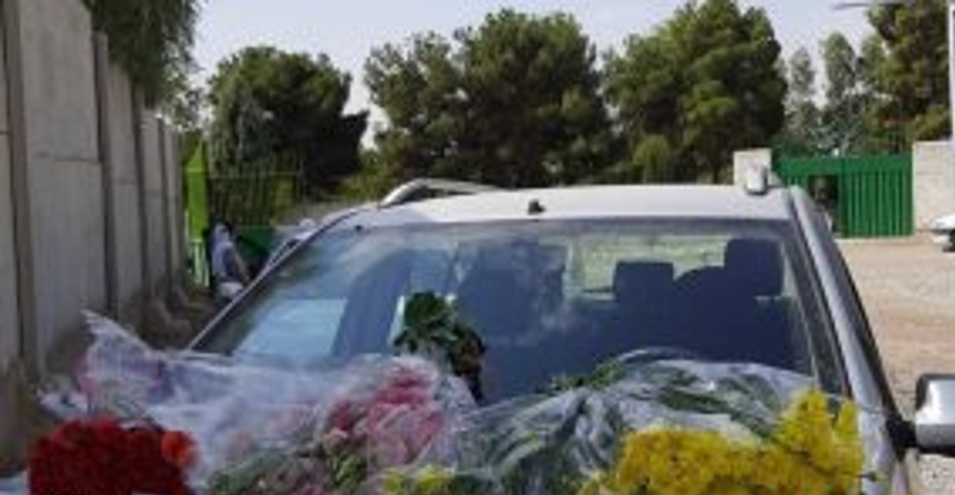
Hrana News Agency – Today, Friday, Mordad 7th, on the anniversary of the mass execution of political prisoners in the summer of 1988, restrictions were once again imposed on the entry of families of victims. This time, they were prevented from entering with flowers to decorate the graves of their loved ones.
According to Hrana News Agency, the news organ of the Iranian human rights activists collective, today, Friday, Mordad 7th, 1401, families of those executed in the summer of 1988 were prevented from entering Khavaran Cemetery to place flowers on the graves of their relatives.
Attempts to prevent families of 1988 execution victims from entering Khavaran Cemetery or subjecting them to legal prosecution by security agencies is a well-documented pattern. Additionally, concrete walls were installed around the Khavaran Cemetery premises in June of this year. Some families of political prisoners buried in Khavaran Cemetery also reported changes including alterations to the entrance and the installation of CCTV camera bases around the area.
Last year, as part of increased pressure on Iran’s Bahai citizens, authorities at Behesht-e Zahra cemetery in Tehran prevented the burial of deceased Bahai citizens in the Bahai cemetery in Tehran (Golestan-e Javid). Behesht-e Zahra authorities had told Tehran’s Bahai citizens that they must use mass grave sites that were created during the widespread executions between 1981-1989 in a section of Khavaran Cemetery with no names or markers for burying their deceased.
It is likely that this recent action by authorities in preventing the burial of Bahai deceased at Golestan-e Javid and proposing burial on top of mass graves from the 1980s executions is another effort by security agencies to destroy evidence of these crimes.
Following the 1979 revolution, particularly between 1981-1989, thousands of political and ideological prisoners were extrajudicially executed and buried in unmarked locations in Iran. Some were also buried in known cemeteries, but their families were denied the right to place tombstones or markers on their graves. Efforts to identify these locations as evidence of crimes against humanity are important for justice and prosecution of those responsible. Despite decades having passed since these massacres, not only have the burial locations of many victims remained unidentified, but multiple attempts by security agencies to destroy such sites, which serve as documentation of crimes against humanity, have been observed.
Source: Hrana