Return of ‘Fatemeh Tadrissi’ to Prison: A Symbol of the System’s Cruelty in Denying Medical Treatment and Repressing Prisoners
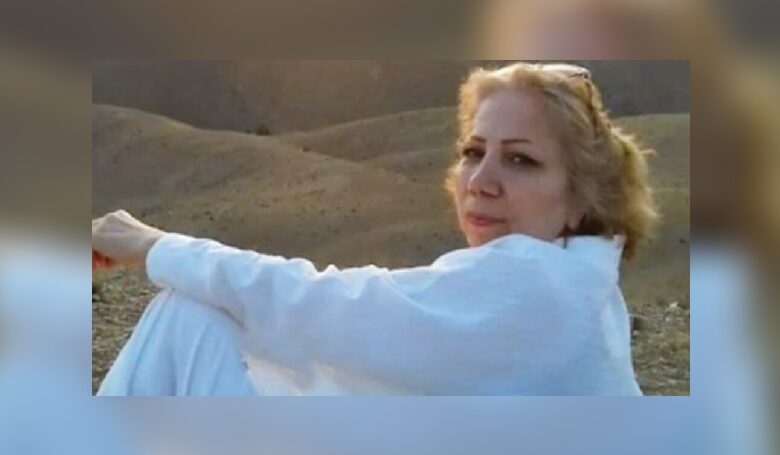
Fatemeh Tadrissi’s return to Karaj’s Kachooei Prison following the expiration of her medical furlough represents an instance of human rights and political violations of prisoners, once again demonstrating the Islamic Republic’s indifference to the health and freedom of political prisoners.
In the latest case of the Iranian government’s widespread disregard for the health, freedom, and human rights of political prisoners, Fatemeh (Maryam) Tadrissi, a political activist sentenced to imprisonment and exile, has returned to Karaj’s Kachooei Prison; an action that has triggered human rights responses and presents a bitter picture of the repression by Iran’s judicial system.
This return to prison occurred yesterday, Wednesday, December 3, 2024, when her medical furlough period expired and authorities transferred her back to her cell.
Ms. Tadrissi was released on furlough in early October after posting a heavy bail, a furlough that according to her relatives was intended for continued treatment. However, this furlough lasted only two months and then ended unexpectedly, despite her furlough being for three months and despite her continued need for treatment and recovery.
This concerning decision was made while her treating physicians had requested that her treatment continue. However, forensic medicine officials and the judge overseeing execution of sentences refused to extend her furlough and returned Tadrissi to prison before completing her treatment process—an action that international human rights organizations consider a clear violation of prisoners’ fundamental rights.
Ms. Tadrissi, who was sentenced in late December 2023 by the First Branch of Karaj’s Revolutionary Court to six years imprisonment and two years exile to Zanjan Province, faces charges including “propaganda against the system,” “seduction and incitement of people to war,” and “insulting the Supreme Leader.” Human rights activists consider these charges to be political and ideological in nature, lacking any legitimate basis for prosecution.
These types of vague and broad charges used against many critics and activists in Iran demonstrate a policy of systematic repression of political and social opponents, including protesting women and activists detained during the “Woman, Life, Freedom” movement.
Advocating for Tadrissi’s situation must be understood within a broader and more threatening pattern in Iran’s prisons. Reports from credible human rights organizations document the deaths of several prisoners in Iranian prisons due to deprivation of necessary medical care—instances that demonstrate how authorities often disregard timely treatment and endanger prisoners’ health.
Global activists have called on Iranian authorities to demand the immediate release of prisoners of conscience and political prisoners and to end the wave of executions and detention under unsanitary conditions.
Tadrissi’s return to prison following the termination of her medical furlough is not only a violation of her individual rights, but also symbolizes the cruelty of Iran’s judicial system in dealing with the illness, suffering, and protests of political prisoners.
This incident goes beyond an individual case. What has happened to Tadrissi demonstrates deliberate disregard for international human rights law and principles such as the right to health, treatment, and freedom of expression—rights that Iran is obligated to uphold under international treaties.
Her return to prison, alongside other reports of political prisoners in serious danger and deprived of their fundamental rights, should serve as a serious warning signal to the international community and human rights organizations that the situation of political prisoners in Iran is in crisis and requires immediate attention.