Return to Homeland and Detention in Crisis Shadow: Troubling Fate of Simin Soheilnia in Evin Prison
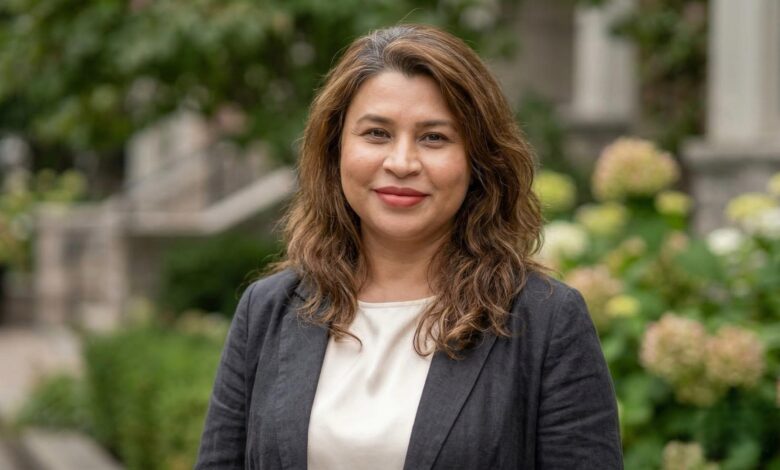
Simin Soheilnia, a Christian citizen, was detained amid silence and lack of information following her return to Iran and transferred to prison, while her family now lives in suffering and anxiety.
In the midst of one of the most tense periods in contemporary Iran, the story of return and detention of Simin Soheilnia, an Iranian-Canadian Christian citizen, has become a symbol of suffering, faith, and human complexities at the heart of crisis; a narrative in which a family decision has come at a heavy price.
Simin Soheilnia returned to Iran on September 14, 2025, despite awareness of the risk of detention. This decision was made when her family faced a serious crisis: her father had passed away earlier that year following an illness, and her mother’s physical condition had deteriorated due to an incurable disease.
Her return was not out of carelessness, but stemmed from deep family bonds, a decision that many Iranians living far from home understand in similar circumstances. However, she was detained immediately upon entering the country, while still having part of her previous sentence to serve.
Simin had previously succeeded in the judicial proceedings to significantly reduce her sentence. A conviction that was initially announced as 10 years imprisonment was first reduced to 6 years and then to 3 years and 6 months.
She had also requested to serve the remainder of her sentence at home under electronic monitoring supervision. According to information released by human rights sources, this request had been accepted before the recent regional conflict began. However, with the start of war, the formal notification process of this decision was halted and she remained in detention.
Reports indicate that in recent weeks, she has had no direct contact with her family and her status remains shrouded in uncertainty.
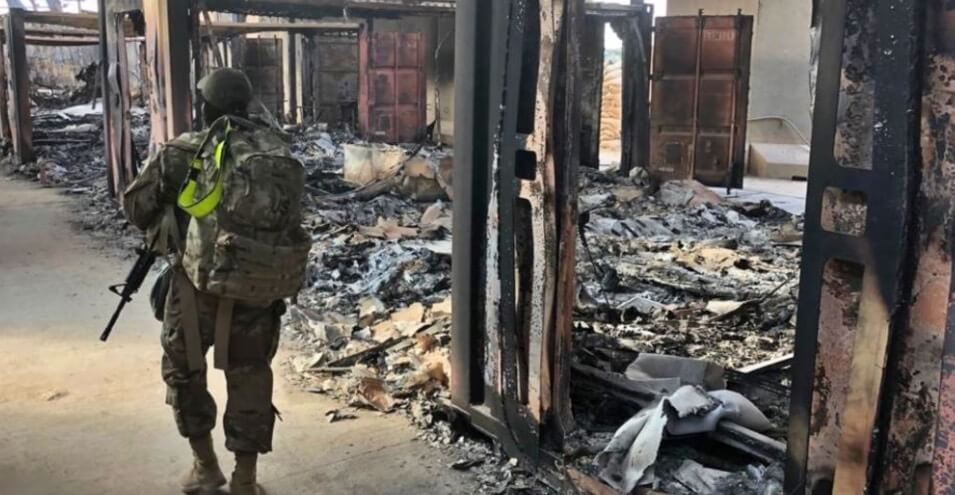
Following her detention, Simin was first transferred to Qarchak Prison, a facility that has been constantly criticized by human rights organizations due to difficult conditions and limited facilities. Following developments resulting from the twelve-day war and the attack on Evin Prison, transfers among prisoners took place, and she was transferred to Evin Prison on October 10, 2025.
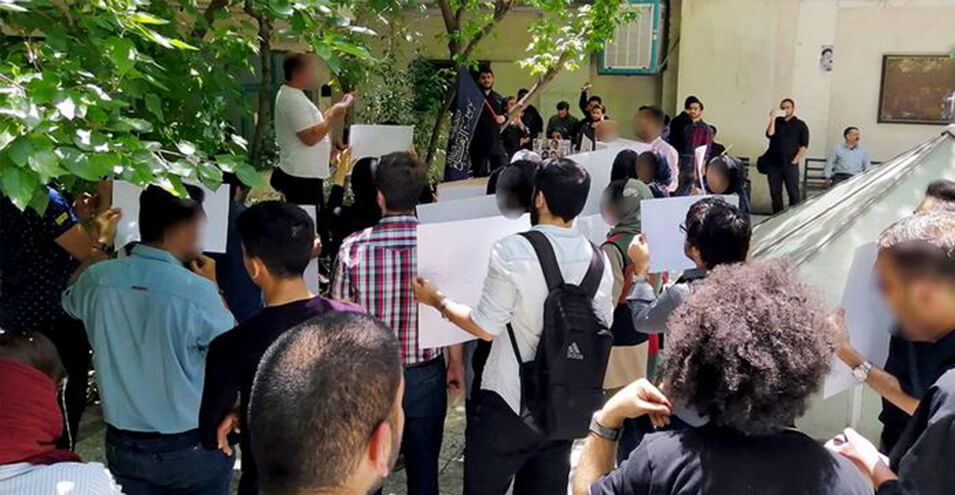
These transfers occurred amid multiple reports of increasing prisoner populations, particularly those detained during protests.
According to human rights sources, conditions in Evin Prison have been described as severely critical in recent weeks. The report states: “Regular prison guards and staff have abandoned their workplaces and special anti-terrorism forces (NOPO) have taken control of the prison. Most doors have been welded shut due to fear of prisoner riots or escapes. Family visits have been canceled and transfers to hospitals are not being made. Prisoners are given only one low-quality meal per day and are deprived of necessary medical care.”
Meanwhile, reports have emerged about the physical condition of some detainees, indicating serious injuries, including untreated wounds and fractures.
Recent developments in Iran have also prompted reactions from international bodies. May Sato, UN Special Rapporteur on human rights in Iran, announced at the Human Rights Council meeting in Geneva: “Prisoners remain behind prison bars.”
He also emphasized that many of these individuals have been detained solely for exercising their fundamental rights.
Amnesty International has also expressed serious concern about the situation of prisoners in wartime conditions and warned that limited access to medical services and severed contact with families could have irreversible consequences.
According to some reports, dozens of Christian citizens are also in detention due to their beliefs and peaceful activities.
Simin Soheilnia’s case dates back to 2018, when she was detained by IRGC intelligence forces on January 29, 2019. This detention occurred just days after the arrest of several other Christian citizens.
After spending a week in solitary confinement and undergoing interrogations, she was released on bail. Later, in June 2020, she was tried along with several others in Tehran’s Revolutionary Court.
In October of that year, a heavy sentence was issued against her: 10 years imprisonment on charges of “action against national security through the formation and management of an illegal house church group.” This sentence was upheld in the appeals court, although it was reduced in subsequent stages.
While she was awaiting the execution of the sentence, it became clear that she was not subject to a travel ban. This allowed her to leave Iran. She first traveled to Turkey and then succeeded in obtaining a Canadian visa and migrated to that country with her son.
However, her return to Iran, which was motivated entirely by family reasons, has now placed her in a situation where not only has her freedom been restricted, but her contact with the outside world has also been severely reduced.
Simin Soheilnia’s story is not merely a legal case; it is a human narrative of the intersection of faith, family, and suffering. At a time when Iran faces multilayered crises, from military tensions to domestic unrest, the fate of individuals like her serves as a reminder of the human dimension of these developments.
For many Christians, such narratives are a call to prayer, compassion, and standing firm in faith, even in the darkest circumstances.
As stated in Scripture: “Remember those in prison as if you were together with them in prison.” (Hebrews 13:3)
In circumstances where the voices of many prisoners go unheard, recounting these stories can keep alive a window of attention, prayer, and hope.