Satellite Images of a ‘New Missile Base’ in Hormozgan
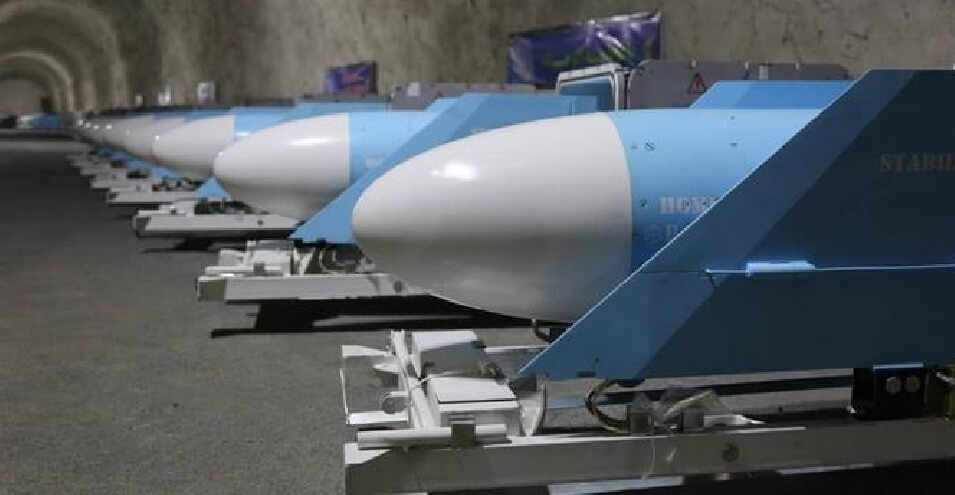
According to the International Institute for Strategic Studies, satellite images show that Iran has likely established a new missile base near Haji Abad in Hormozgan province.
Based on a report published by the “International Institute for Strategic Studies” in London on Tuesday, May 4, citing satellite images, Iran has likely established a new missile base in Hormozgan province.
According to this report, the new missile complex has been constructed near Haji Abad in Hormozgan province. Haji Abad is one of the northern cities in Hormozgan province, which is surrounded by mountains.
According to an analyst at the International Institute for Strategic Studies (IISS), this site was likely designed as the first location for launching solid-fuel ballistic missiles.
This information is based on satellite images showing changes made to underground facilities near Haji Abad and revealing the appearance of several large circular structures between 2017 and 2019 in the region.
The report states that these structures could be storage locations for short-range solid-fuel missiles from the Fateh missile family.
The report adds that although Iran has introduced several of its underground complexes in recent years (sometimes referred to as missile cities), there is no mention of the Haji Abad complex among them.
The report states that although no information has been published about the characteristics of the missiles used in Haji Abad, the geographical location and topographical features of the region provide clues.
The location of the Haji Abad site, immediate topography, and apparent orientation of canisters/launchers highlights longer range members of #Iran‘s Fateh family of solid missiles as likely candidate, specifically the Zolfaghar (700km) and/or Dezful (100km) pic.twitter.com/GE3xS3nZ9T
— Joseph Dempsey (@JosephHDempsey) May 4, 2021
Referring to the range of the Fateh family missiles, the report states that this range limitation means these missiles can only cover parts of the United Arab Emirates and Oman from Haji Abad.
Joseph Dempsey, an analyst at the International Institute for Strategic Studies, by publishing these images on Twitter and noting a range that could reach Bahrain and Riyadh, and considering the geographical location and topography of the region and the orientation of the facilities, has raised the possibility of using longer-range missiles.
In this report, referring to the geographical coordinates of these facilities’ deployment, it is stated that their orientation is toward the southwest. Whether their direction can be changed by rotation or whether they are targeting specific objectives, according to this report, remains unclear.
The publication of these reports coinciding with negotiations over lifting sanctions in return for returning to the JCPOA could once again draw the world’s attention to Iran’s missile activities.
Source: DW