Several Political Prisoners Undertake Hunger Strike in Protest Against ‘Rights Violations’
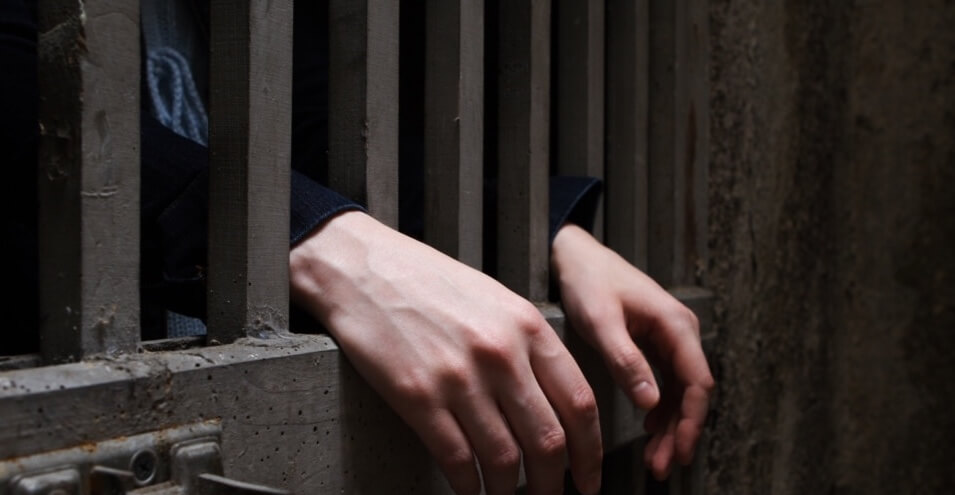
Human rights activists report that several political prisoners held in Iranian prisons are on hunger strike.
Zartosht Ahmadi Ragheb, Fariba Asadi, Yousef Mehrad, Mohammad Houshyari, Ibrahim Siddiq Hamedani, and Ali Mousavi Nejad are six political prisoners held in various Iranian prisons who, according to reports from HRANA (Human Rights Activists News Agency in Iran), are currently on hunger strike.
Reports also indicate that Shekileh Manfard and Arsham Rezaei, who had undertaken hunger strikes in recent days, have ended their hunger strikes.
Zartosht Ahmadi Ragheb, an imprisoned civil activist and signatory to a statement calling for Ali Khamenei’s resignation, began a hunger strike from the first day of his recent detention on the 2nd of Esfand at Evin Prison.
This civil activist, who has been imprisoned multiple times in recent years and has received sentences of imprisonment and social deprivations in several different cases, has described his recent arrest as “illegal.”
Iran’s Human Rights Organization reported on Saturday that Zartosht Ahmadi Ragheb was beaten by a number of inmates convicted of “serious crimes.”
This civil activist is being held in Section Four of Tehran’s large prison without regard to the principle of separation of crimes; a section designated for inmates convicted of common crimes, not political prisoners.
The human rights website HRANA reported on Wednesday, the 18th of Esfand, that Shekileh Manfard’s four-day hunger strike had ended.
This imprisoned civil activist, who had undertaken the hunger strike in protest of the non-observance of the principle of separation of crimes in the prison, was transferred to Section Eight of Qarchak Prison on the 16th of Esfand and ended her hunger strike.
Shekileh Manfard has been sentenced to seven years in prison across two cases on charges of “propaganda activity against the system” and “insulting sacred values.”
Arsham Rezaei, a civil activist imprisoned in Rajaei Shahr Prison, also ended his month-long hunger strike on the 18th of Esfand. He had undertaken the hunger strike in protest of lack of access to medical facilities and objection to the rejection of his medical furlough.
This civil activist has been sentenced to eight and a half years in prison, with five years being enforceable, and has been serving his sentence since Aban 1399.
Fariba Asadi, another political prisoner held in Qarchak Prison in Varamin, has also undertaken a hunger strike in protest of the non-observance of the principle of separation of crimes in this prison. She has been sentenced to one year in prison on charges of “propaganda activity against the system” and has been serving this sentence since Dey of this year.
Mohammad Houshyari, a Kurdish political activist, has also been on hunger strike in Urmia Prison for the past two weeks.
According to the Kurdistan Human Rights Network, this political prisoner is being held in solitary confinement in the central Urmia Prison without the right to contact or visit with his family. Mohammad Houshyari has been in detention for 14 months on unspecified charges.
Yousef Mehrad, who has been sentenced to execution on charges of “insulting the Prophet,” has been on hunger strike in Arak Prison since the 21st of Bahman in protest of “deprivation of telephone contact,” and there is no current information about his condition.
This ideological prisoner has been sentenced to eight years in prison in another part of his case on charges of “propaganda against the system,” “insulting the founder of the Islamic Republic,” and “insulting the leader.”
Ibrahim Siddiq Hamedani, a Kurdish political activist imprisoned in Marivan Prison, has also undertaken a hunger strike and stopped taking medication.
He has been sentenced to 16 years in prison on charges of “action against national security through membership in one of the groups opposed to the system” and has been imprisoned for the past three years.
The lack of access by political prisoners to adequate and appropriate medical facilities and the failure of officials to pay attention to their situation is not a new issue, and in recent years there has hardly been a day without the publication of such news.
Ali Mousavi Nejad Farkosh, a political prisoner held in Rajaei Shahr Prison, has also been on hunger strike and stopped taking medication since the 12th of Bahman. The demand for the release of political and ideological prisoners has been stated as the reason for his hunger strike.
This civil activist has been sentenced to a total of eight years in prison on charges such as “insulting the leader,” “insulting Ayatollah Khomeini,” and “propaganda activity against the system,” with five years of the sentence being enforceable, and he has been serving this sentence in Rajaei Shahr Prison since Azar 1399.
Human rights activists have expressed concerns about the danger of hunger strikes to the health of these political and ideological prisoners.
During the two years since the outbreak of the coronavirus, Javaid Rehman, the UN Special Rapporteur on human rights in Iran, and Michelle Bachelet, the UN High Commissioner for Human Rights, have repeatedly called on Iranian officials to release political prisoners.
Source: Voice of America