Shadow of Middle East War; Oil and Gold Surged, Stocks Plummeted
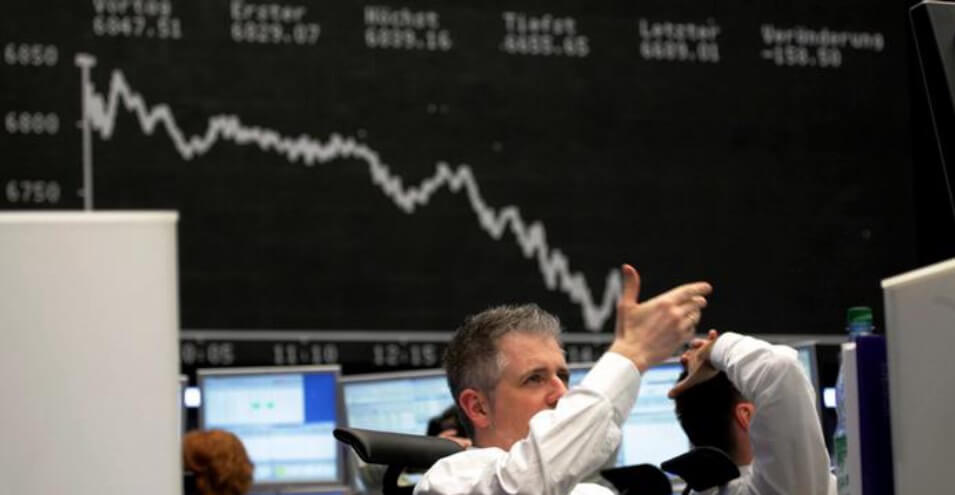
Following heightened tensions between Tehran and Washington and concerns about a possible war in the Middle East, global oil and gold prices increased while stock values fell in European and Asian markets. Germany’s stock exchange (DAX) lost 2 percent of its value.
Concerns about escalating tensions between the United States and Iran, which could turn into an armed conflict, have severely weakened global investment and trading conditions, pushing markets into risky investment challenges. This comes as capital markets showed signs of improvement with the beginning of the new calendar year (2020).
According to German news agency (DPA), today, December 16 (January 6), the price of gold reached $1,588.13 per ounce, the highest level since 2013 when investors were seeking safe-haven investments.
Volatility in Relatively Safe German and Swiss Markets
German bonds and the Swiss franc, which have always been relatively safe investment sectors, are now facing volatility. The stock market situation has also been weakened due to investor concerns and instability.
This situation occurred following the killing of Qasem Soleimani, commander of the Quds Force of the Islamic Revolutionary Guard Corps, in last week’s U.S. drone strikes in Baghdad. Market tensions intensified following this event and after officials of the Islamic Republic of Iran threatened the United States with a “harsh retaliation.”
U.S. President Donald Trump has also threatened Iran that if it attacks American personnel and interests as well as its partners in the Middle East, it will face further retaliatory measures.
Following these tensions, Germany’s overall stock exchange index (DAX) lost 2 percent of its value. The “DAX” is a blue-chip market index comprising 30 major companies on the Frankfurt Stock Exchange in Germany.
Current focus has turned to oil consumption savings across all sectors. On the other hand, stock markets in airline companies such as Lufthansa have also been affected.
In this regard, Postbank Germany announced: “The unexpected U.S. military attack has ended the New Year celebrations.”
Japanese stocks also showed a downward trend today. In the first trading session of the new calendar year, Japan’s stock exchange index (Nikkei) fell by 225 points, with its average stocks declining by 451.76 points, equivalent to a 1.91 percent loss.
Rising Trend in Gold and Oil Prices
With the opening of global gold trading markets, the price of this precious metal showed an upward trend from early this morning. Even before prices were finalized, the price per ounce rose to $1,577.26, showing a 1.6 percent increase compared to Friday, the last trading day.
Gold prices in December 2019 were around $1,450 per ounce, but with heightened Middle East tensions, they began an upward trend from that previous month.
Amidst Middle East tensions and new mutual threats between Iran and America, as well as concerns about a possible war in the region, oil prices—this black gold—also increased today.
The United States is one of the world’s largest oil producers and places significant emphasis on this energy resource. Countries’ current concern is oil shortages.
The price of “West Texas Intermediate” crude oil reached $64.72 per barrel, the highest price since April.
This oil and Brent crude have shown about 6 percent growth since the beginning of 2020.
In recent days, with escalating tensions in Iraq, legislators of that country voted on Sunday calling for all American forces to withdraw from Iraq. Iraq stated that this resolution was issued in response to U.S. attacks and the killing of Qasem Soleimani and his colleagues in the Quds Force, as well as officials from the Shiite Popular Mobilization Forces group.
The U.S. President, in response to this Iraqi parliament resolution, has threatened to impose sanctions on the country.
Source: DW