Six Political Prisoners in Evin Prison Have Contracted Coronavirus; Health Protocols Are Not Being Followed
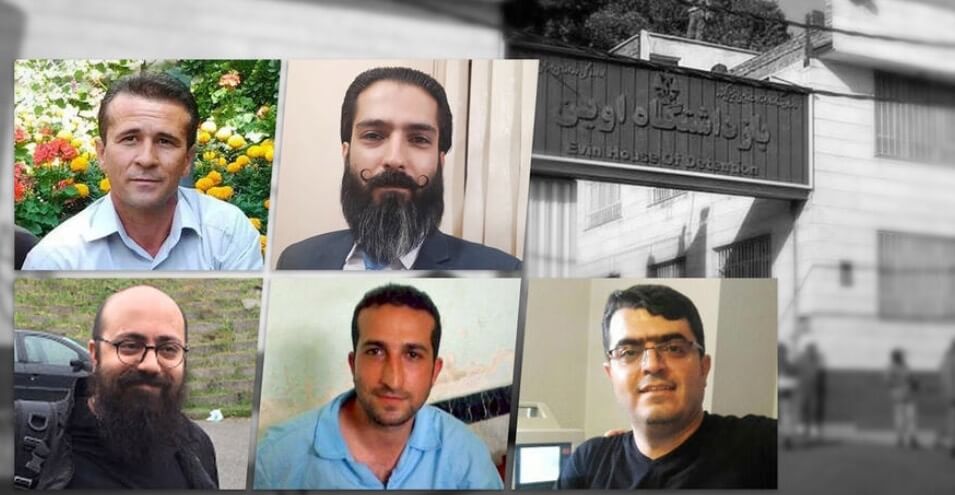
The wife of Ismail Abdi, a teachers’ labor activist, says that this imprisoned teacher and 11 other inmates from Ward 8 of Evin Prison have contracted coronavirus, and some of them currently have poor physical conditions.
Manirah Abdi, the wife of Ismail Abdi, a teachers’ labor activist, said on Monday, August 20, in a conversation with Voice of America that in addition to her husband Ismail Abdi, several other political prisoners including Amirsal Davudi, a lawyer, Jafar Azimzadeh, a labor activist, Majid Azarpay, and Mohammad Ali Mosibzadeh, along with two other political prisoners, have contracted coronavirus and are currently being held in the clinic of Evin Prison.
According to Ms. Abdi, for at least two weeks prior, these prisoners experienced some symptoms of coronavirus disease, including loss of taste and smell. Manirah Abdi says that besides these six political prisoners, six other inmates in this ward of Evin Prison have also contracted coronavirus.
Regarding the conditions of care for these coronavirus-infected prisoners, she said they were transferred to the prison clinic yesterday and without maintaining social distancing, they placed six of them in two separate rooms; they took a nasal swab test from them again and announced that 48 hours after the test, definitive results will be announced, and currently pain relievers have been prescribed for them.
Ms. Abdi, with concern about her husband’s health condition, said: “Ismail Abdi has suffered from respiratory illness since his last hunger strike, which dates back two years ago, and currently with contracting this virus he is not in good condition. He has severe body pain and is experiencing difficulty breathing. Currently, his respiratory medication dose has been increased, asthma spray and high-dose blood pressure pills have been prescribed for him,” but according to Manirah Abdi, the family is concerned that this political prisoner’s lungs may suffer serious damage.
Ms. Abdi, pointing out that prisoners are unable to observe health matters in prison, told Voice of America: “Last year, with the outbreak of coronavirus and its spread in Iranian prisons, inmates were provided with only two masks and one disinfectant substance once, and after that no hygiene supplies, including masks or disinfectant materials, have been provided to prisoners, and prisoners are forced to purchase hygiene supplies themselves and at high prices from the prison canteen.”
The release of some prisoners began on Wednesday, February 26, with the issuance of a new circular by the head of the judiciary, which authorized the issuance of limited furlough orders for a group of prisoners sentenced to imprisonment under certain conditions. In one of the provisions of that circular, it stated that those political prisoners charged with “actions against national security” who are sentenced to more than 5 years in prison “are exempted from being sent on furlough.” This is while most political prisoners, including Ismail Abdi, Amirsal Davudi, Majid Azarpay, and Jafar Azimzadeh, have sentences of more than 5 years.
Ismail Abdi’s wife told Voice of America: “We have contacted the prison prosecutor several times and requested furlough, asked them to follow health protocols in the prison, or reduce the number of prisoners in each room, but nothing was done and no political prisoner from Ward 8 of Evin Prison was sent on furlough.”
Mike Pompeo, U.S. Secretary of State, said on Wednesday, March 27, at a press conference: “Not only from Syria, but from the Islamic Republic of Iran, we have asked not only to release American citizens, but to release all those who have been unjustly imprisoned. This is a humanitarian act, and apart from the fact that these people have been illegally imprisoned, in these circumstances the principle of humanitarianism dictates that they should be released from prison.”
Source: Voice of America