Surge in Secret Execution of Death Sentences Against December Protest Detainees
The issuance and implementation of death sentences against detainees from nationwide protests in December 2024 in Iran continues unabated. Concurrent with the secret execution of a death sentence on an Afghan protester, the Isfahan Revolutionary Court has also condemned four other detainees, including a rap singer, to death; a process that has heightened concerns about the intensification of judicial crackdowns on protesters.
Less than a year after the nationwide December 2024 protests, reports published by human rights organizations indicate that the process of issuing and implementing severe sentences against detainees from these protests continues; a development that, from the perspective of human rights activists, has entered a new phase with the issuance of death sentences, lengthy prison terms, and exile.
According to a report by the human rights organization Hengaw, the Isfahan Revolutionary Court has sentenced three Afghan citizens named “Afshar Shah-Ahmadi,” “Iman Shafaei,” and “Sadroddin Ahmadzadeh” to death on charges of “participation in setting fire to a police station.” These three individuals were arrested on December 20, 2024, during protests in Isfahan and spent approximately 40 days in detention at the Ministry of Intelligence facility under conditions of isolation, without access to family or legal counsel.
According to sources close to the case, Iman Shafaei, who suffered from respiratory illness prior to his arrest, has developed severe asthma as a result of detention conditions and deprivation of medical services, and remains denied adequate access to medical care.
These sentences were issued just days after the secret execution of “Gol-Mohammad Mohammadi,” a 23-year-old Afghan citizen. He was one of the accused in the case known as the “Alighani Square in Isfahan” file and was executed at Isfahan Central Prison at dawn on July 19. The implementation of this sentence without public notification has once again sparked criticism from human rights organizations regarding the proceedings in cases related to the protests.
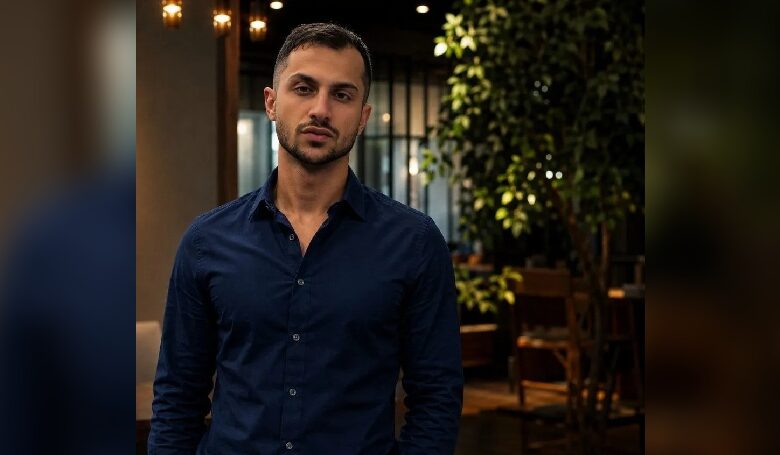
Meanwhile, the publication of another report indicates that “Mehnam Navab-Sefavi,” a 22-year-old Persian rap singer and one of the detainees from the December protests in Isfahan, has also been sentenced to death by the Fifth Branch of the Isfahan Revolutionary Court on charges of “moharebeh” (enmity against God).
According to published information, the court, in addition to the charge of “moharebeh,” has also convicted him on charges of “propaganda against the system,” “assembly and collusion,” and “incitement of people to kill each other.” Informed sources state that one of the most important pieces of evidence cited by the court for issuing the moharebeh verdict was “writing slogans on walls.”
Navab-Sefavi, like the three Afghan citizens, was arrested during protests on December 20 in Isfahan and, after interrogation at security detention facilities, was transferred to Isfahan Central Prison, where he now awaits review of his sentence.
This collection of sentences is being issued as human rights activists have expressed concern over the increased use of capital punishment in cases related to nationwide protests. According to these organizations, many detainees from the December protests either face heavy sentences of imprisonment and exile or are at risk of death sentence issuance or execution on charges such as “moharebeh” and “corruption on earth.”
Human rights observers believe that the continuation of this process, particularly in cases with reports of prolonged detention in security detention facilities, deprivation of access to legal counsel, interrogation pressure, and restrictions on medical examination, has raised serious concerns about compliance with principles of fair trial. International organizations have repeatedly called on the Islamic Republic in recent years to refrain from issuing and implementing death sentences in cases related to protests and to uphold its commitments regarding the right to life and fair justice.