Switzerland’s Decision to End Investigation into Assassination of ‘Kazem Rajavi’ Draws Protest
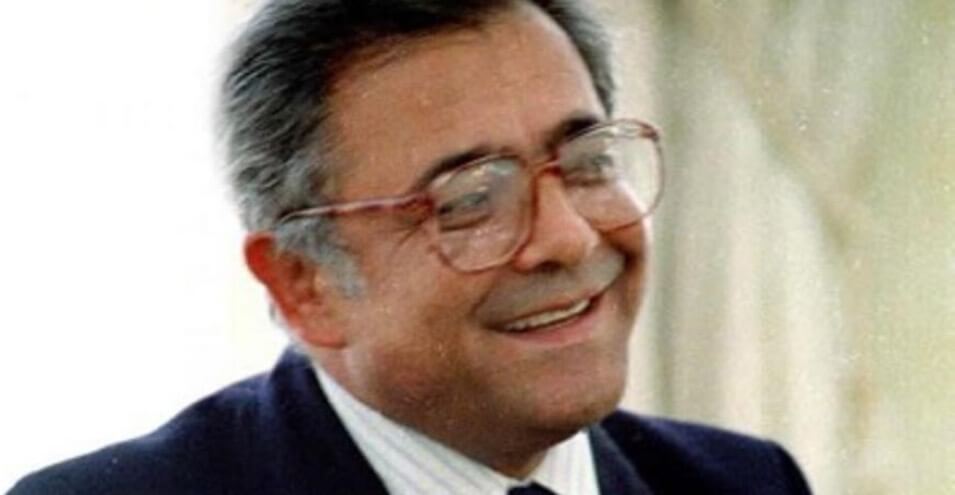
On Monday, the Secretariat of the National Council of Resistance of Iran (NCRI), based in Paris, protested the decision by the Swiss prosecutor to end investigations into the assassination of ‘Kazem Rajavi’ in 1990 by next week due to the “statute of limitations.”
Kazem Rajavi was the first ambassador of the Islamic Republic of Iran to the United Nations headquarters in Geneva but resigned from his position a year later in protest against the repressive policies of the ruling clergy. He was the older brother of Massoud Rajavi, founder of the National Council of Resistance of Iran, which is now led by his wife, Maryam Rajavi.
According to a Washington Post report from 1993, in August 1990, Kazem Rajavi’s car was attacked near Geneva and he was shot dead with six bullets. The assassination “perhaps provides the clearest case of Tehran connection.”
According to the Washington Post report, “Swiss police and the Châtelet prosecutor subsequently announced that 13 Iranians played a role in this assassination. Most of them entered Switzerland with diplomatic passports issued in Tehran with similar dates and for missions. The Châtelet prosecutor’s office in the Swiss city of Vernier stated that most of these individuals arrived in Switzerland several months before the murder, traveling on tickets with consecutive serial numbers on flights from Tehran to Geneva. Just two hours after the murder, some of these individuals flew from Geneva to Vienna.”
The Washington Post reported in 1993 that “Châtelet, based on the evidence collected, announced that the direct involvement of one or more Iranian officials in this murder was confirmed.”
The Secretariat of the National Council of Resistance of Iran, in a statement protesting the Swiss prosecutor’s decision, cited the names of some Iranian officials linked to Kazem Rajavi’s assassination. It specifically mentioned Ali Fallahian, the Islamic Republic’s Intelligence Minister at the time of the assassination. The statement also strongly criticized Switzerland’s failure to name Ali Khamenei, Ali Akbar Velayati, the Foreign Minister at the time, and Hassan Rouhani, then Secretary of Iran’s Supreme National Security Council, who were “the architects and commanders of this assassination.”
The statement said, “Iran’s Resistance strongly demands from the Swiss government and judiciary: Keep the case open. Issue international arrest warrants for the commanders and perpetrators of this terrorist killing.”
According to a “fact sheet” from the U.S. State Department released on May 22, 2020, the Trump administration sanctioned Ali Fallahian for his role in increasing human rights violations during his tenure as Intelligence Minister of the Islamic Republic. The fact sheet emphasizes that “Fallahian, during his time in power, played a role in the killing of several political opponents in Europe, including those for whom arrest warrants were issued in Swiss and German courts.”
According to the U.S. State Department fact sheet, “Since coming to power in 1978, the Iranian regime has played a role in assassinations, plots, and terrorist attacks in more than 40 countries.”
The U.S. State Department also states, “Iran’s global campaign for assassination included 360 assassination targets in other countries and bombings that killed and wounded hundreds of people.”
Source: Voice of America