UN Committee Resolution Protesting Human Rights Violations in Iran
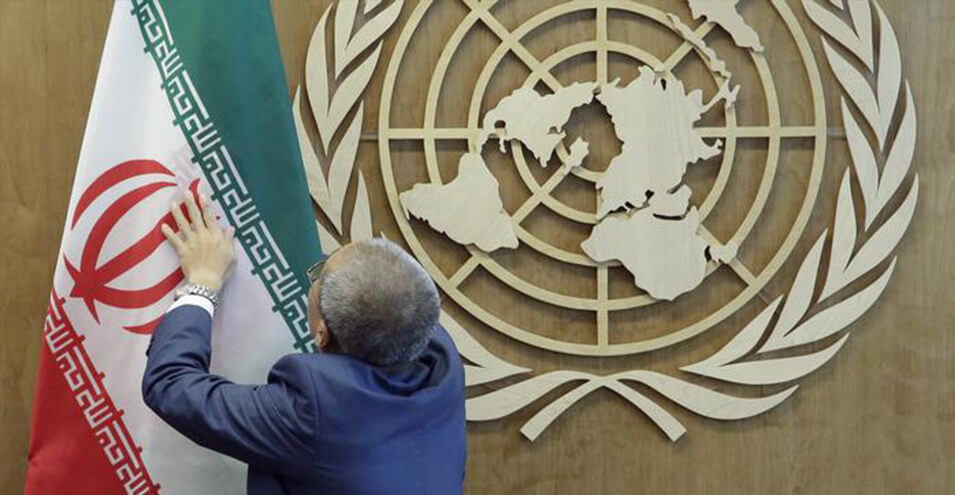
At Canada’s proposal, the Third Committee of the UN General Assembly passed a resolution expressing serious concern about the state of human rights in Iran. Iran’s deputy representative to the United Nations called the resolution “politicization.”
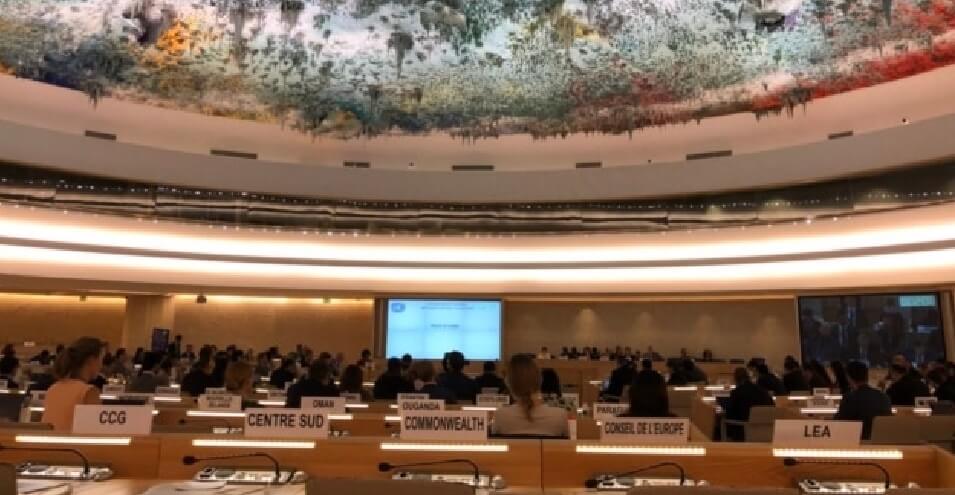
The Third Committee of the UN General Assembly on Thursday, November 15 (Aban 24) passed a resolution expressing concern about the state of human rights in Iran. The resolution strongly protested “severe restrictions on freedom of thought, religion and belief” as well as discrimination against women in law and society, and called on Iran to end these repressions.
The resolution, proposed by Canada, was passed with 85 votes in favor, 30 votes against, and 68 abstentions. The resolution is expected to face a vote in the UN General Assembly plenary next month with the approval of member states.
The resolution referenced the suppression of religious minorities in Iran, including Christians, Gonabadi Dervishes, Jews, Sufis, Sunnis, Zoroastrians, Ahl-e Haq followers (Yarsanism), and members of the Bahai community, and called on Iran to release imprisoned prisoners of conscience, including Bahai leaders.
While the resolution welcomed the elimination of capital punishment for certain drug-related crimes, it expressed serious concern about Iran’s “recurring warning use” of the death penalty, including against minors.
According to the Associated Press, Ishaq Al-Habib, Iran’s deputy representative to the United Nations, rejected the resolution, calling it “a political game,” and said: “Like any other country, perhaps Iran has shortcomings and we are determined to address them, but nevertheless, those who have traditionally, historically, and practically supported colonialism, slavery, racism and apartheid should not teach Iranians human rights lessons.”
Abdullah Al-Mouallimi, Saudi Arabia’s ambassador to the United Nations, also called on Iran to “not provide refuge to terrorists.” He said: “The people of Iran continue to suffer under a regime leadership that does not respect human rights, prohibits freedoms, and harasses religious and ethnic minorities.”
The Human Rights Council had recently criticized Saudi Arabia regarding the overall situation of human rights in the country as well as the murder case of Jamal Khashoggi, a Saudi dissident journalist.
Amnesty International on November 13 issued a statement expressing concern about the situation of hundreds of Arab detainees in Iran and called for immediate clarification of their fate and place of detention. In the statement, the organization said that in response to an armed attack on a military parade in Ahvaz, 600 Arab Ahvazi citizens have been detained, who also lack access to their families and lawyers.
In recent days, reports were published about secret executions of some members of this minority in southern Iran. Iranian officials have denied these reports.
Source: DW