UN Resolution Passed Against Human Rights Violations in Iran
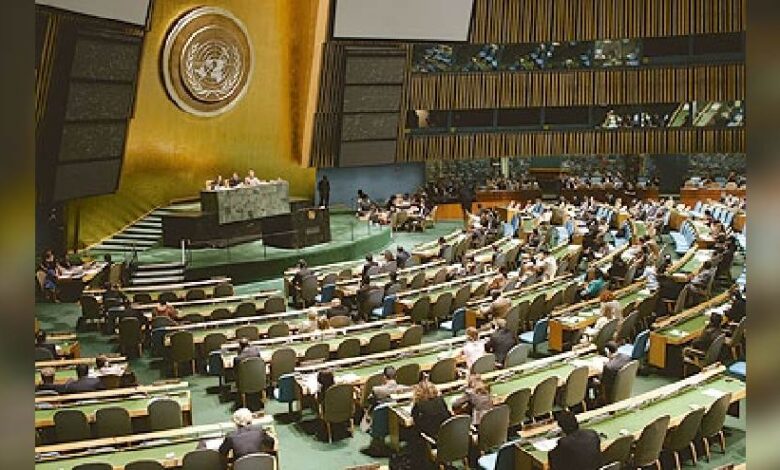
The United Nations condemned the human rights situation in Iran and passed a resolution against violations of these rights.
On Wednesday, November 20 (30 Aban), the Third Committee of the UN General Assembly, while referring to the increase in executions in Iran, expressed concern about violations of women’s rights and religious and ethnic minorities, particularly Christians, and strongly condemned these actions.
The UN General Assembly, in this regard, issued and approved a draft resolution condemning the human rights situation in the Islamic Republic of Iran. The resolution also condemned the continued severe restrictions and increasing prohibitions on the right to freedom of thought, conscience, religion, or belief.
In the aforementioned resolution, while emphasizing the situation of religious and ethnic minorities in Iran, it was written: “Official and unofficial religious and ethnic minorities, including Bahais, Christians, particularly Evangelical Christians, Jews, Zoroastrians, Gonabadi Dervishes, Sunnis, and followers of the Yarsan religion, suffer from human rights violations, including increased harassment and persecution, arbitrary arrest, detention, and incitement to hatred that leads to violence. Furthermore, religious and ethnic minorities in Iran are deprived of places to perform religious ceremonies and worship and face significant restrictions.”
In the aforementioned resolution, the UN General Assembly Committee, addressing the government of the Islamic Republic of Iran, wrote: “The Islamic Republic must stop surveillance of individuals based on their religious identity and the widespread and systematic use of arbitrary detentions. It must also release all individuals imprisoned due to membership and activity in groups belonging to religious minorities and ensure that all persons enjoy the right to freedom of thought, conscience, religion, or belief, including changing or choosing a religion or belief.
Furthermore, this must be done in accordance with this country’s obligations under the International Covenant on Civil and Political Rights. According to Article 18 of this covenant, to which Iran is also a signatory, everyone has the right to freedom of thought, conscience, and religion. This right includes freedom to have or adopt a religion or beliefs of one’s choice, as well as freedom to manifest one’s religion or beliefs, whether individually or in community, whether publicly or in private, in worship and the observance of religious customs and teachings.”
In this resolution, while referring to Articles 499 and 500 of the Islamic Penal Code, the authorities of the Islamic Republic have been asked to eliminate any discrimination based on thought, conscience, religion, or belief from the amended Articles 499 and 500 of the Islamic Penal Code in both law and practice.
The draft resolution concerning the human rights situation in Iran was approved with 77 votes in favor, 28 votes against, and 66 abstentions. The Ministry of Foreign Affairs of the Islamic Republic, as in the past, described the approval of this draft resolution as “a political action” and condemned it.