Uncertain Fate of Migrants and Dispute Over Control of Poland-Belarus Border
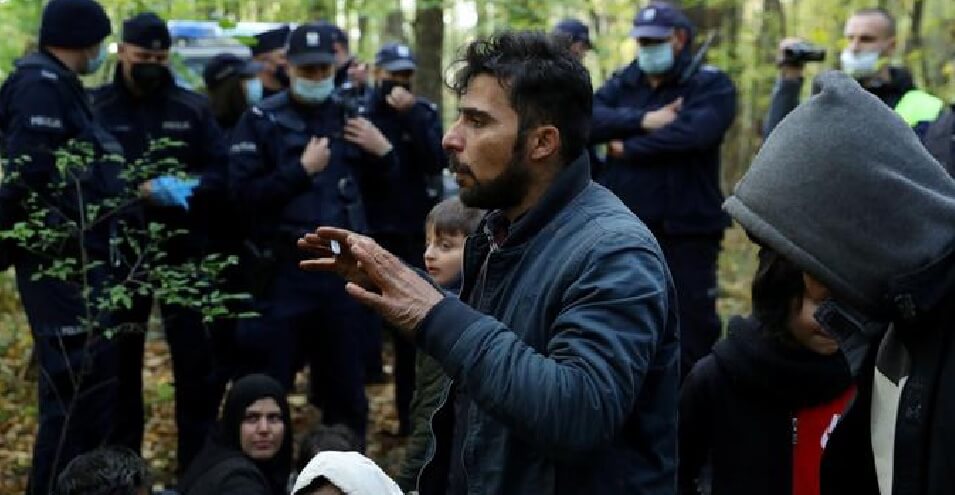
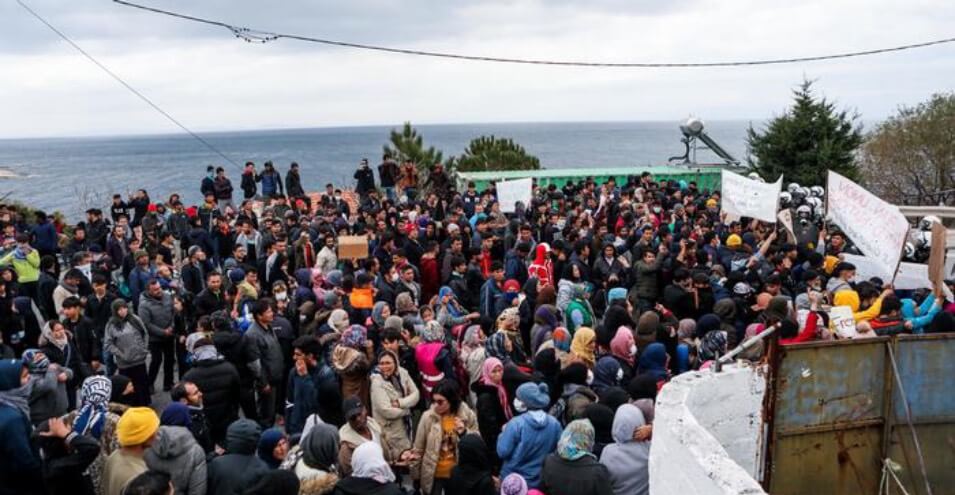
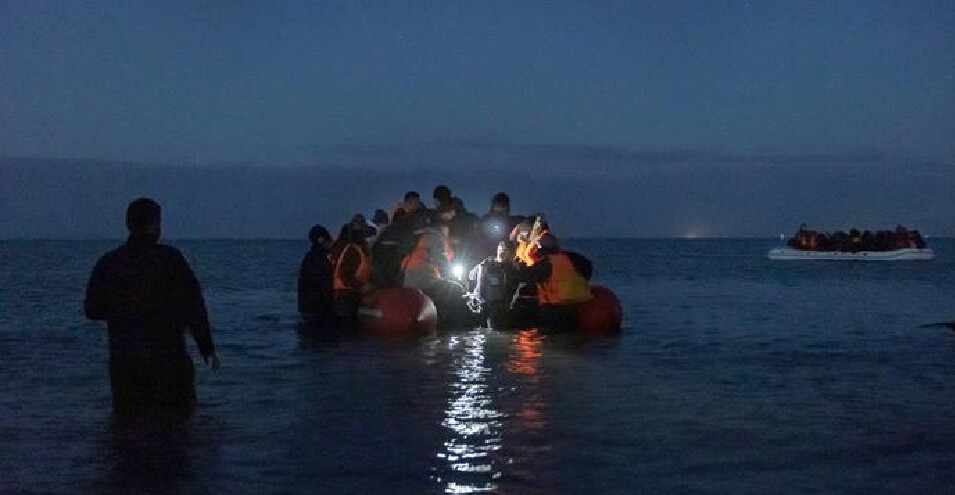
The president of Belarus has opened the door to the entry of migrants, including Iranian migrants, in order to pressure the European Union. Migrants can travel through Belarusian territory and cross the borders of Poland and Lithuania to reach Western Europe.
Several European Union member states have called for border control with Belarus. Poland is among them. This country has been constructing a fence along its shared border with Belarus to prevent the entry of illegal migrants into its territory and, through it, to the European Union.
A similar situation has prevailed at the Lithuanian border. This is while some other countries consider such measures inappropriate and contrary to the values of the European Union.
The issue goes back to the announcement of the controversial election results in Belarus and Alexander Lukashenko’s victory. The suppression of protesters by the Belarusian government prompted the European Union to impose sanctions against the country.
Now Belarus has canceled travel visas to its country for citizens of several countries, including Iran, Syria, Yemen, and Iraq, in order to pressure EU member states. In this way, refugees from these countries and Afghan refugees can travel to Belarus and reach Central and Western Europe through the shared borders of this country with Poland and Lithuania.
Differing Reactions of European Countries
The request to temporarily close the shared border between Germany and Poland was initially raised by the German Federal Police Union. A request that faced opposition from Horst Seehofer, Germany’s interior minister.
Germany’s interior minister, instead of closing his country’s border with Poland, spoke of this country’s readiness to cooperate with Polish border guards.
On the other hand, the issue of Poland’s border control with Belarus has emerged. Manfred Weber, leader of the European People’s Party faction, has requested the European Commission to financially support plans to create barriers to prevent illegal migrants from entering Poland from Belarus.
However, the European Commission has opposed this request, believing that creating such barriers would actually mean falling into the trap set by Alexander Lukashenko.
On the other hand, Moritz Körner, a representative of the Free Democratic Party in the European Parliament, believes that the construction of a border fence will not prevent migrants from entering European Union territory.
Körner believes that the proposal of such a plan by Poland and some European Union politicians is actually rooted in populist propaganda.
Following Up on the Situation of Iranian Migrants
Kazem Sajjadi, deputy consular official of the Islamic Republic of Iran, during a trip to Belarus, announced that he was following up on the unclear and ambiguous situation of Iranian citizens at the borders of that country with Lithuania and Poland.
Iran’s student news agency “ISNA” announced on Thursday, November 6 (October 28), by publishing a report in this regard, that Sajjadi consulted with Belarusian officials about the situation of Iranian citizens.
On the other hand, it was reported that Hossein Amir-Abdollahian, the foreign minister of the Islamic Republic of Iran, had a telephone conversation with the Belarusian foreign minister in this connection.
It should be noted that the claim by officials of the Islamic Republic of Iran to address the situation of Iranian citizens “trapped in the cold” at the Belarus border actually amounts to covering up the fact that these Iranian citizens have been forced to leave their homeland and attempt to migrate to Europe due to the existence of the Islamic Republic government.
Source: DW