US Sanctions 18 Additional Iranian Banks
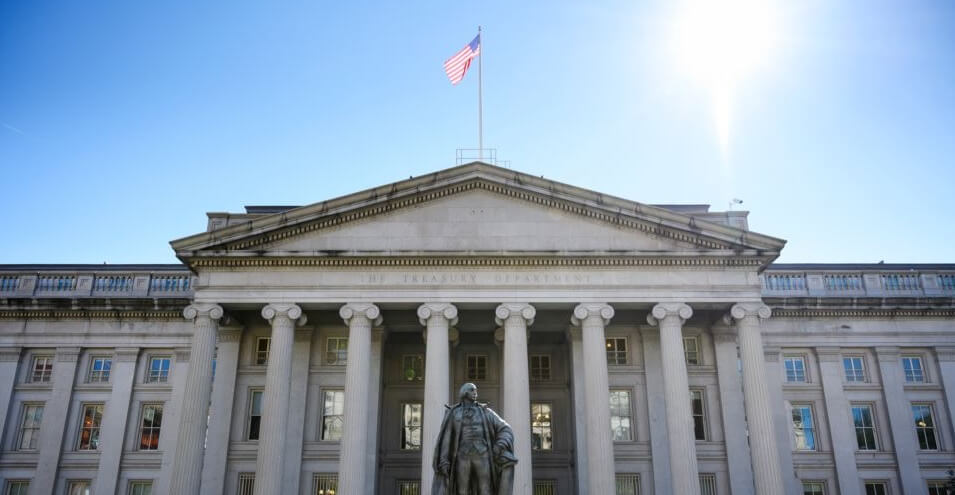
The United States added 18 additional Iranian banks to its sanctions list on Thursday, October 8.
According to the U.S. Treasury Department website, 18 Iranian banks that had previously been exempt from some American restrictions have been placed on the blacklist.
Steven Mnuchin, U.S. Secretary of the Treasury, said that today’s sanctions demonstrate the United States’ commitment to blocking Iran’s illegal access to the U.S. dollar.
He added, “As long as Iran continues to support terrorist activities and its nuclear program, the Iran sanctions program will continue.”
The U.S. had previously sanctioned other Iranian banks, including Bank Melli, Bank Sepah, Bank Saderat, and others.
Mnuchin said that despite the bank sanctions, the United States will allow financial transactions for humanitarian items for the Iranian people.
Bloomberg News previously reported on the Trump administration’s plan to “cut off Iran’s economy from the outside world,” and Reuters reported Thursday that this measure would “effectively completely close the doors of the global financial sector to Iran.”
On Wednesday, The Washington Post reported, citing three informed officials, that despite warnings from the European Union about the humanitarian consequences of sanctions on Iran, the U.S. government intends to implement these new sanctions against Iran’s financial sector.
Two sources told Bloomberg News that the Trump administration’s goal in imposing new banking sanctions is to block remaining ways for the Islamic Republic to receive export revenues, as well as to thwart the plans of Joe Biden, Trump’s rival in the next presidential election, to return to the JCPOA.
Biden had previously said that if he wins next month’s election, he would return to the JCPOA.
The Trump administration withdrew from the JCPOA in May 2018 and imposed severe sanctions against Iran.
A senior European official had previously told Reuters that European officials are concerned that if Iran’s remaining banks are sanctioned, Iran’s foreign assets would be effectively blocked and the shortage of foreign currency to pay for humanitarian imports would worsen.
However, Mnuchin says the path remains open for transactions and trade in humanitarian goods.
This week, one day after the dollar reached 30,000 tomans, Abdolnaser Hemmati, head of Iran’s Central Bank, said that news related to the Trump administration’s plan to “completely cut off Iran’s financial system” had a “psychological effect” on Iran’s currency market.
On Monday, Elliott Abrams, U.S. Special Representative for Iran and Venezuela, said in an interview with CNN that the pressure of sanctions against the Islamic Republic of Iran “has never been like this before, and we will continue it and, as you will see in the coming days and weeks, we will increase it.”
On the new U.S. sanctions list are the names of Amin Investment Bank, Agricultural Bank, Housing Bank, Workers’ Welfare Bank, Bank Shahr, New Economy Bank, Resalat Loan Bank, Hekmat Iranians Bank, Iranzamin Bank, Islamic Region Cooperative Bank, Entrepreneur Bank, Middle East Bank, Mehr Iran Loan Bank, Pasargad Bank, Saman Bank, Capital Bank, Cooperative Development Bank, and Tourism Bank.
Source: Radio Farda