Accusations of the presence of the Popular Mobilization Forces in Iran; Reza Pahlavi's sharp attack on handing over the country to foreigners
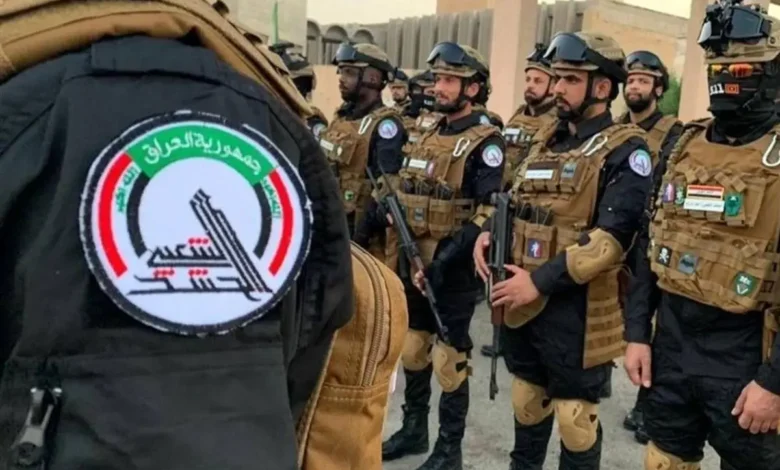
The accusation of the presence of the Popular Mobilization Forces in Iran and Reza Pahlavi's harsh attack have reignited the debate about handing over the country to foreigners and the crisis of national sovereignty.
Reza Pahlavi's recent statements about the presence of Popular Mobilization Forces in Iran have sparked a wave of reactions and analyses in Persian-language media and some international circles; an issue that, although not yet independently confirmed by credible global sources, has been considered in the context of regional tensions and the role of militia groups.
In these statements, Reza Pahlavi, in a harsh and unprecedented tone, considered the possible presence of these forces a sign of the "collapse of national sovereignty" and said: "The criminal terrorists of the Popular Mobilization Forces have settled in the streets and squares of Iran with the Iraqi flag, with the intention of instilling terror and killing, they are walking around and singing songs of praise. What Saddam's Baathist regime could not impose on Iran during the eight years of war, today the criminal Islamic regime has imposed on the Iranian nation."
He went on to call this situation "the height of disgrace" and emphasized: "This is the height of disgrace of an anti-Iranian regime that has handed the country over to foreigners for its own survival. This is trampling on the pride of a nation and a clear insult to the blood of the defenders of the homeland in the eight-year war with Iraq."
These remarks come at a time when the role of Iranian-backed forces in the region, especially in Iraq, Syria, and Lebanon, has always been a major focus of international media reports such as Reuters and the BBC. However, the claim of direct presence of Iraqi forces inside Iran is a sensitive issue that requires careful investigation and has not yet received widespread official confirmation from independent sources.
However, experts believe that such statements should be analyzed in the context of broader developments in the region. After years of conflict in the Middle East, militia groups such as the Popular Mobilization Forces (PMF) have become important players in the security equation. These forces, which were formed after the rise of ISIS in Iraq, now play a complex role in regional politics and security.
In another part of his speech, addressing the Iranian military forces, Reza Pahlavi poses harsh questions: "Where is the Iranian army? Where are the veterans of the eight-year war with Iraq? Where has Iranian military zeal gone, when Iraqi terrorists have taken control of the property, lives, and honor of Iranians from Khuzestan to Tehran?"
He also called for the immediate withdrawal of these forces, emphasizing: "The Popular Mobilization Forces and other Iraqi militias are an aggressor and occupying force. They have no place in Iran. They must be expelled from the pure soil of Iran immediately."
These positions reflect concerns among some opposition groups in the Islamic Republic about the expansion of proxy influence and the weakening of the concept of national sovereignty. At the same time, some international analysts warn that making such claims in the absence of independent evidence could fuel increased domestic and regional tensions.
At a macro level, this debate comes back to a fundamental question: Where is the line between regional security cooperation and violations of national sovereignty? This is where the official narratives of the Iranian government and the views of its critics diverge sharply.
Ultimately, whether these claims are confirmed or not, their making by a figure like Reza Pahlavi demonstrates the depth of the political divide and growing concerns about Iran's security and sovereignty future, an issue that looks set to remain in the spotlight in the months ahead.