New Round of Iran-US Negotiations in Oman: “Military Threats, Diplomatic Deadlock and Deep Divisions”
Diplomatic sources warn that the presence of the CENTCOM commander could jeopardize Iran-US nuclear negotiations in Oman, while the Kremlin has called for results and restraint.
In the midst of one of the most sensitive periods in Iran-US relations, a new round of indirect talks between Tehran and Washington took place in Muscat, the capital of Oman. These negotiations, designed to find a solution to the crisis over Iran’s nuclear program, have been accompanied from the outset by geopolitical tensions, deep disagreements and mutual warnings.
An Islamic Republic diplomatic source commented on the presence of the CENTCOM commander, saying: “The presence of the CENTCOM commander or any military official could jeopardize indirect nuclear negotiations between Iran and America in Oman.” This warning indicates that Iran has strong sensitivity to the participation of military officials in these talks and views it as a potential factor for escalating tensions.
On the other hand, reports indicate that a convoy believed to be carrying US officials has left the negotiations venue in Muscat, which could be a sign of increasing sensitivity and an unpredictable diplomatic atmosphere.
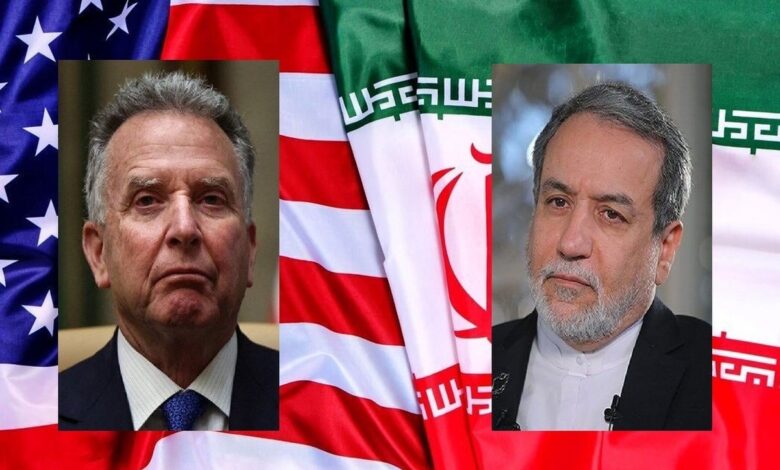
Oman’s Foreign Ministry announced that Badr al-Busaidi, the country’s Foreign Minister, held separate consultations with Abbas Araghchi, Iran’s Foreign Minister, Steve Witkoff and Jared Kushner from the United States. These talks focused on creating appropriate conditions for resuming diplomatic and technical negotiations, a matter that highlights Oman as a mediator still striving to reduce tensions.
Although both sides expressed willingness to negotiate, fundamental differences between them remain. Iran seeks to limit talks to nuclear issues, while US officials insist on expanding the agenda to include ballistic missiles, Iran’s regional role and human rights issues.
The Kremlin also stated in a statement that it hopes these negotiations will lead to results and reduced tensions and has supported restraint by all parties. This position reflects the efforts of major actors to prevent escalation of the crisis in the region.
While the diplomatic outlook remains uncertain, tensions in the Middle East are rising and warnings about the possibility of serious confrontations have become more serious. The United States has reinforced its military presence and stated that if negotiations fail, military options are also on the agenda.
Furthermore, reports indicate that Iran has warned about the role of regional countries in supporting America and is maintaining its regional policy. Meanwhile, analyses emphasize that the current negotiations in Oman are more difficult than ever, and any failure could severely heighten the political and security atmosphere in the region.
The new round of negotiations in Oman is taking place while political, security and strategic differences remain very deep and the possibility of failure or continued tensions is still serious. Efforts to create constructive dialogue and Oman’s mediation have created hopes; however, sensitivity regarding military presence and pressure from Tehran and Washington has complicated the path of diplomacy.