Third dose of Pfizer vaccine boosts antibody levels “11-fold”
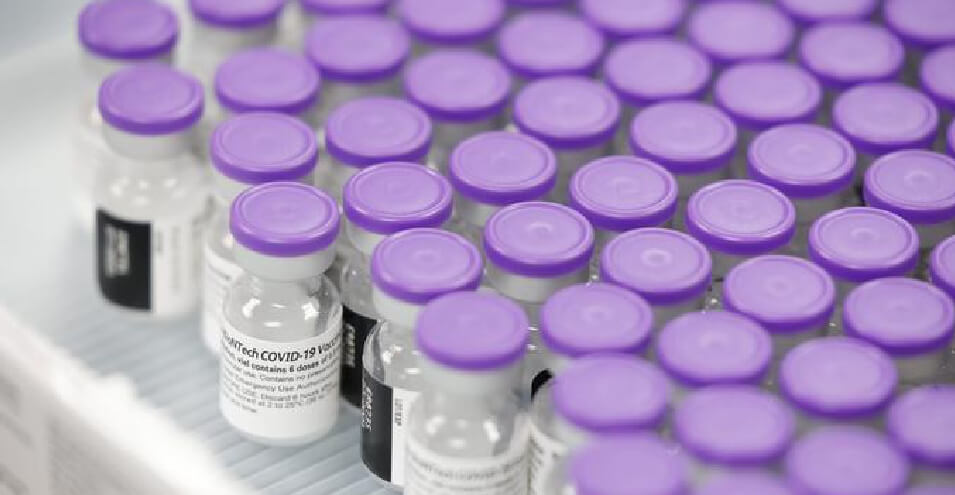
The two vaccine manufacturers, Pfizer and BioNTech, say, based on preliminary results of a new study, that injecting a third dose multiplies the amount of antibodies in the blood against the coronavirus, both against the parent virus and against mutated viruses.
Two American companies, Pfizer and German BionTech, which have jointly developed a vaccine against the coronavirus, have announced a significant increase in blood antibodies with the third dose of the vaccine, according to preliminary results of new research.
On this basis, the level of antibodies against the parent coronavirus ("SARS-CoV-2" originating in Wuhan, China) in the blood of volunteers who received the third dose of the Pfizer-BioNTech vaccine increased 5 to 8 times compared to the second dose.
Also, the level of antibodies against the beta mutation of the virus (originating in South Africa) increased 15 to 21 times.
Antibodies against the highly contagious Delta mutation (originating in India) increased 5-fold in the 18- to 55-year-old age group and 11-fold in volunteers aged 65 to 85.
The need for a third dose was raised after it became clear that the effectiveness of the Pfizer vaccine decreases over time.
Based on current knowledge, the vaccine's efficacy against the Delta mutation, which has caused much concern worldwide, has been reported to be 96%. However, this level of immunity decreases after 6 months and, according to current information, reaches 84%.
Elderly people are the first priority for the third dose
However, the protection provided by the Pfizer-BioNTech vaccine against severe COVID-19 disease remains high six months after the second dose.
This means that even those who have received two doses of the vaccine (are fully vaccinated) are immune to the severe stage of the disease and are less likely to be hospitalized if they contract the Delta mutant strain.
For this reason, experts have not yet given a clear answer to the question of whether a third dose is necessary, and if so, for whom and when.
Pfizer and BioNTech say it is likely that a third dose will be needed 6 to 12 months after the second dose, but this is only true for the vaccines from these two companies.
What is certain is that if permission is issued for the third dose, the same group that had priority from the beginning, namely the elderly and people with underlying diseases, will have priority this time as well.
The Health Minister of the German state of Lower Saxony has announced that this age group will be able to receive a third dose of the Pfizer-BioNTech vaccine after the end of this summer, if permission is granted.
The vaccine's manufacturers have submitted applications for approval to the US Food and Drug Administration (FDA) and the European Medicines Agency (EMA), which will require further clinical studies and data review.
But since the original license has already been issued, it is expected that the decision to license the third dose will not take long.
Source: DW