The coronavirus outbreak has deprived Iran of the opportunity to support Islamists.
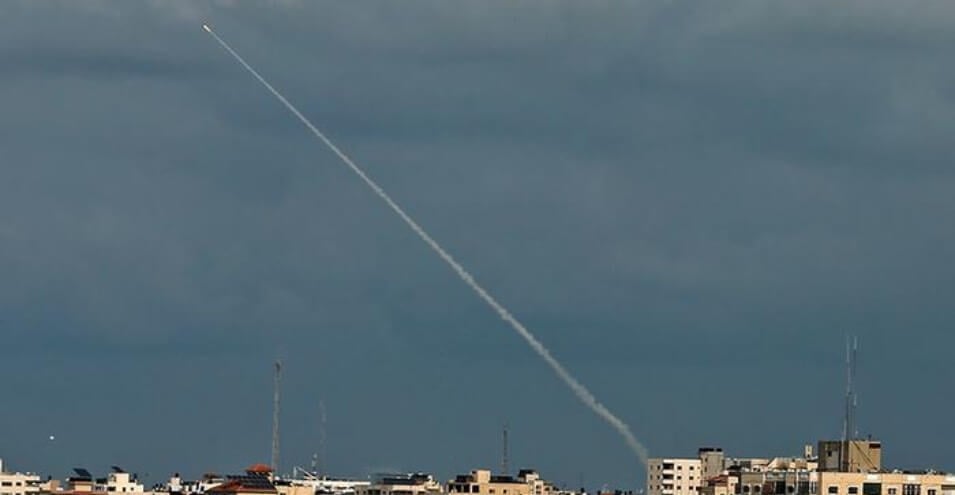
Iran's battered economy has been so badly hit by the coronavirus outbreak that it has been unable to continue supporting Islamists. The Islamic Republic's ability to support and equip Palestinian groups in the Gaza Strip has been severely reduced.
US President Donald Trump describes the Islamic Republic of Iran as the world's largest state sponsor of terrorism and considers one of the goals of tightening sanctions to be to dry up the country's financial resources for these programs.
More than three and a half months after the official confirmation of the coronavirus outbreak in Iran, its consequences for the crisis-stricken economy of the Islamic Republic have apparently been such that Tehran has found itself in a bind in financing and equipping the groups it supports, including those in the Gaza Strip.
Tal Leder, a reporter for the NTV network in Tel Aviv, referred to this situation on Sunday, June 7, saying that settlers near the Gaza border are experiencing a period of peace that they almost cannot remember.
According to the report, maintaining physical social distancing and washing hands with soap are guidelines that were not considered until a few months ago, but are now recommended in the settlements of the southern coastal strip of Israel, just as they are in other countries.
However, there are other instructions in these areas that have an unpleasant effect on some foreign tourists: "When you hear the siren, go to the nearest shelter within 15 seconds."
There are other similar instructions: “If you cannot reach a shelter within this time, lie down on the ground against a wall” or: “Wait 2 minutes after the explosion and then leave the area where you are sheltering.”
Such recommendations seem natural in areas where the border fence between Israel and the Gaza Strip is visible, especially since this metal fence is not a barrier against rockets and mortars fired from the Gaza Strip towards Israeli border settlements.
Reduction in rocket and mortar launches due to the coronavirus outbreak
Some residents of these areas say that since the outbreak of the coronavirus in the Middle East, the situation has become much calmer, and Palestinian groups rarely fire mortars and rockets at Jewish settlements.
Since Israel withdrew its forces from the Gaza Strip in 2005 and the Islamist extremist group Hamas took control of the region two years later, rocket and mortar fire towards Israeli border villages has become a daily occurrence.
This situation has changed quite noticeably with the outbreak of the coronavirus, and in the past three months, the number of rockets fired from the Gaza Strip towards Israel has decreased sharply.
According to the German news network ntv, Israeli border villages owe this calm to the crisis in the country, where, according to available evidence, Hamas forces have lost all power to act without its support.
For years, the Islamic Republic has been financially and equipment-supporting groups such as Lebanon's Hezbollah and Hamas, which are on the West's list of terrorist organizations, in order to confront Israel.
Iran, the Middle East country most affected by Corona
But the country is now the most affected by the coronavirus in the Middle East. According to statistics from the Iranian Ministry of Health, as of noon on June 9, 171,789 people have been identified in the country with COVID-19, and 8,281 people have died from it.
Heidi Zilberman, a spokeswoman for the Israeli military, said the Islamic Republic, which has made the destruction of Israel a top priority, has been greatly weakened. "Instead of addressing the problems of its own people, Tehran spends billions of dollars every year exporting terrorism," she added.
According to an estimate by an Iran affairs expert at the National Institute for Security Studies in Tel Aviv, the economic consequences of the Corona crisis could force the Islamic Republic to reduce "terrorist financing" in the region in the long term, and this reduction would be much greater than the amount caused by US sanctions.
Coronavirus as a complement to sanctions
Stating that the outbreak of the virus has dealt a severe blow to Iranian industries, he said that US sanctions and the fall in oil prices have faced the Islamic Republic's economy with an unprecedented recession, but the outbreak of the coronavirus could cause significant damage to parts of the economy that have been less affected.
There have been previous reports of Hezbollah's financial difficulties due to the Islamic Republic's economic problems. The group's leader, Hassan Nasrallah, once said that all of Hezbollah's expenses and costs, including the salaries of its members, as well as their weapons and equipment, were covered by Iran.
According to NTV, the Lebanese Hezbollah militia and their supporting groups have resorted to other means to finance the group, including expanding a drug trafficking network and purchasing some of the weapons they need with the proceeds from drug sales.
One of Israel's concerns is the deployment of IRGC forces and Iranian-backed militias near its shared borders with Syria.
Israel is trying to prevent the establishment of Iranian-backed militias in the Syrian border areas through targeted attacks. The coronavirus outbreak appears to have caused a sharp decrease in extremist militia operations, at least in southern Israel.
Some observers believe that the spread of the coronavirus in the Gaza Strip could lead to a resumption of attacks on Israel. According to this assessment, if Hamas leaders, who control the territory, fail to contain the virus and provide services to the people, they may increase attacks on Israeli settlements to hide their weakness and divert public opinion.