Amnesty International: Europe is putting the lives of asylum seekers at risk
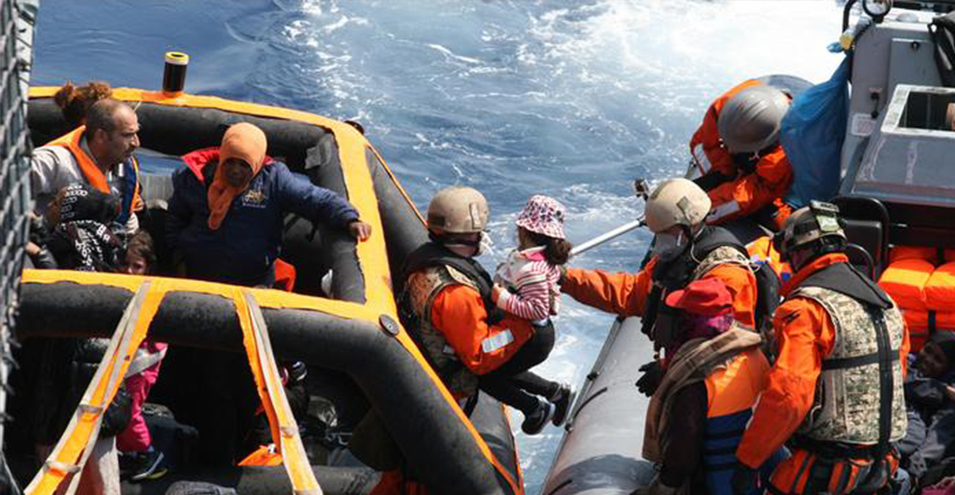
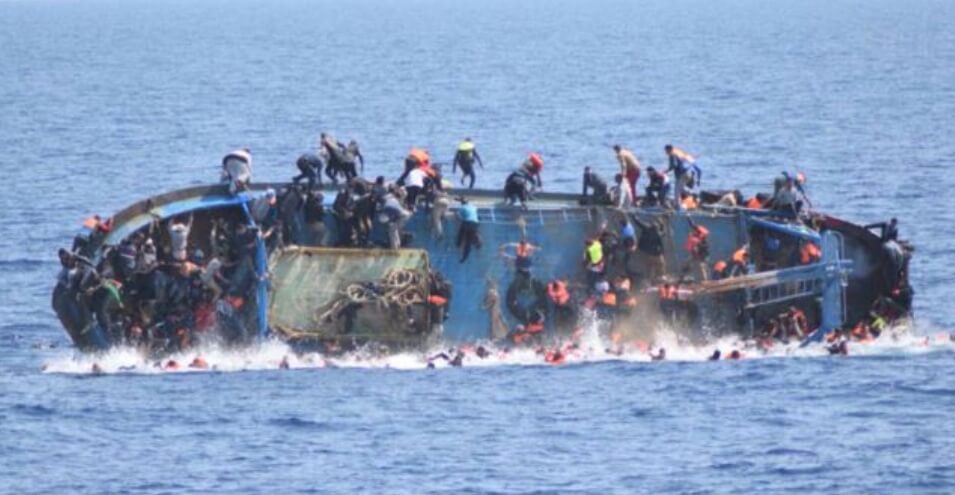
Amnesty International has accused the European Union of failing to protect migrants trying to reach Italy by crossing the Mediterranean. It has also criticized Europe's cooperation with the Libyan coastguard.
"The European Union is knowingly heading towards one of the deadliest years on its shores," is how the Berlin-based NGO Amnesty International has described the EU's new rules on asylum seekers.
Rene Wildangel, Amnesty International's Middle East and North Africa expert, said the EU can only end the "mass deaths" of refugees if it allocates more ships and personnel to maritime rescue operations and finally opens up legal and safe routes for refugees to enter.
In 2015, the European Union increased the capacity of its maritime rescue units and extended their coverage to the Libyan coast, reducing the number of refugees drowning in the Mediterranean.
The Amnesty International report is ready, but in the meantime the EU has focused on combating people smuggling and the movement of refugee boats from Libya to the EU. According to Amnesty International, this means that migrants face a greater risk of entering the EU and more of them drown.
Greater European cooperation with the Libyan coastguard means more refugees are being returned to Libya, where there is no safe haven for them. Amnesty International says they are being arrested and subjected to abuse, rape and torture in Libya.
Amnesty International has stressed that migrants rescued by European maritime rescue teams should be taken to safe places, as Libya is not currently a safe place for them.
EU ministers are meeting in Tallinn, the Estonian capital, on Thursday, July 6, to discuss the bloc's new refugee policy. The possibility of strengthening the Libyan coast guard is also expected to be discussed.
In late June, Italy threatened to close its ports to refugees. The government said it would ban rescue ships from Italian ports and return the boats to the coasts from which the refugees set off unless EU countries came forward with concrete plans to help Italy.
Source: DW