Mai Sato: The situation of women and girls in Iran has worsened
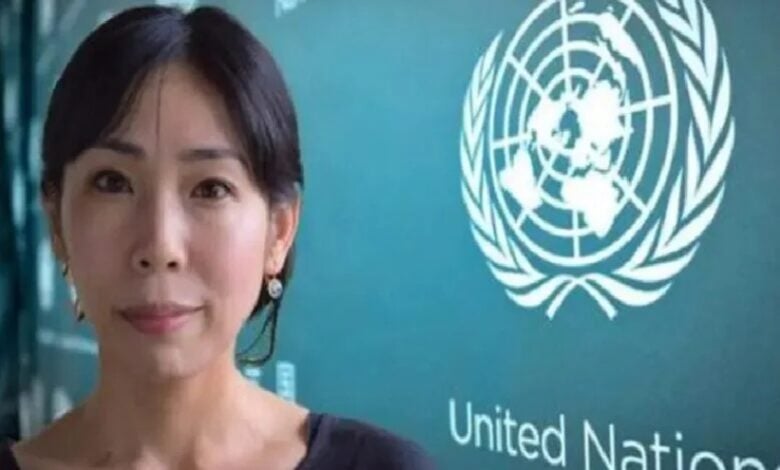
UN Special Rapporteur Mai Sato reported on the worsening situation of women and girls in Iran.
Japanese lawyer and UN Special Rapporteur Mai Sato, who was appointed by the UN Human Rights Council in July of this year as the Special Rapporteur on Iran and the successor to the previous rapporteur, Javed Rehman, expressed concern about the situation of women and girls in Iran.
Yesterday, Friday, November 1, equivalent to November 1, in a report on the human rights situation in Iran, he emphasized the worsening human rights situation of women and girls in Iran and called on the Iranian government to prioritize women's rights and the right to life.
Referring to his first report to the UN General Assembly, he spoke about the lack of clear improvement in various areas of human rights in Iran over the past years, saying: "In the area of treatment of women, the situation has actually worsened, and Iran has not yet ratified the Convention on the Elimination of All Forms of Discrimination against Women."
It should be noted that the Convention on the Elimination of All Forms of Discrimination against Women is an international treaty that was ratified by the United Nations General Assembly more than four decades ago; however, Iran and four other countries have not yet taken steps to sign this treaty.
Mai Sato also addressed the issue of the right to life in her first report to the Human Rights Committee of the General Assembly, noting the increase in executions in Iran and expressing concern about this issue. She wrote in her report that in August of this year alone, at least 93 people were executed in Iran, and that many prisoners are facing death sentences on various charges, including “rebellion,” “corruption on earth,” and “war on terror.”
In his new report, he referred to the government's pressures following the "Women, Life, Freedom" movement and the arbitrary detention of women, writing: "I, along with other UN experts, have repeatedly called on the Islamic Republic of Iran to release human rights defenders and provide prisoners with access to timely and appropriate health care."
He emphasized that violations of the right to life were not limited to the death penalty, but also included the government's deadly use of force, deaths in custody, laws that sanction or justify murder, and the failure to properly investigate potentially unlawful deaths.
In addition to calling on the Iranian government to work with her to help find ways to prevent and address human rights violations, Ms. Sato emphasized: “I am ready to engage with Iran to assess and address human rights concerns. I see my role not as an adversary, but as an independent expert whose assessment can help Iran strengthen its human rights protections.”