New wave of repression in Iran; widespread arrests, serious charges, and the shadow of execution over protesters
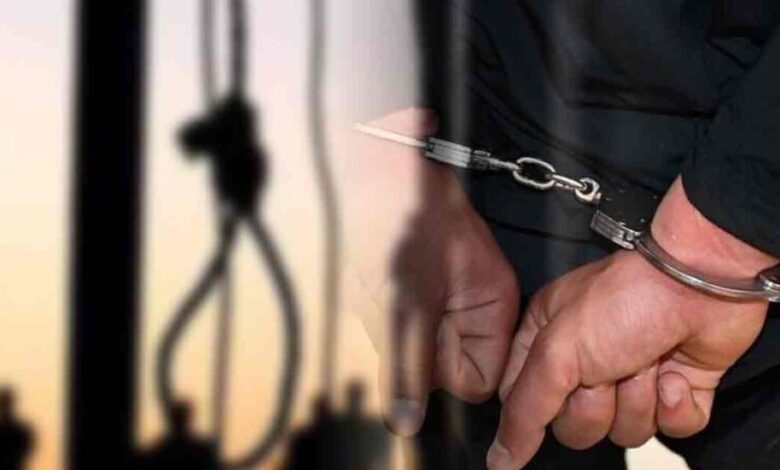
The new wave of repression in Iran, with widespread arrests and serious charges, has cast the shadow of execution over protesters even more than before.
While the world's attention has been focused mainly on military developments and political agreements, new reports from inside Iran paint a disturbing picture of escalating repression, arbitrary arrests, and increased pressure on citizens, especially religious minorities and protesters. A trend that, according to human rights organizations, has not only not stopped but has intensified in recent weeks.
In one of the most recent cases, security forces in Shiraz raided the home of a Baha’i family at night and arrested a 19-year-old youth named “Angha Siavoshi.” The raid, which was carried out without a warrant, was accompanied by a full search of the home and extensive seizure of personal property. Human rights sources have reported that officers even confiscated the personal belongings of guests present at the home and interrogated them. To date, no clear information has been released about the whereabouts or charges against this citizen.
Meanwhile, in Tehran, the arrest of a doctoral student named Baran Omidian and his 17-year-old niece, Dorsa Ayazi, has raised concerns about the treatment of different segments of society. Reports indicate that the two were transferred to separate detention centers after initial interrogations and were pressured to make forced confessions during interrogations. They were also denied access to a lawyer and basic rights.
In Mashhad, another case has taken on more worrying dimensions. Mahbouba Shabani, one of the detainees from the January protests, is facing a serious charge of "moharebeh" (war on religion), a charge that could lead to the death penalty.
Referring to this case, human rights organizations have warned that: "The allegations made against him, including helping the wounded, are considered a humanitarian act based on all international human rights standards, and its criminalization as "moharebeh" lacks any legal validity." These organizations have also warned about the speedy trial process and the possibility of executions for protesters.
In recent months, there have been reports of opaque trials and heavy sentences handed down against protesters, a trend some have referred to as “field trials.” This, along with an increase in arrests, reflects a more restrictive and security-conscious approach by the government.
Internationally, human rights organizations, including Amnesty International and Human Rights Watch, have repeatedly warned against the use of the death penalty as a tool to suppress protests. These organizations have emphasized that Iran remains one of the countries with the highest rate of executions and that in many cases these sentences are issued after non-transparent judicial processes.
Critics believe that the coincidence of this wave of repression with recent political and military developments indicates the government's attempt to control the internal space in a sensitive situation. While governments are busy negotiating and reaching agreements at the international level, many Iranian citizens face a different reality; a reality in which sudden arrests, security pressures, and threats of severe punishments have become part of everyday life.
This process once again raises the question of the extent to which citizens’ rights and security are taken into account in political and diplomatic equations. For many observers, what is happening is a sign of the deep gap between political developments at the macro level and the real situation of the people inside Iran, a gap that is deepening every day.