Amnesty International's concern about the situation of women detained protesting compulsory hijab
Amnesty International expressed concern in a statement on Monday, March 27, about the situation of women detained for protesting against the mandatory hijab in Iran.
The statement said: "With Iranian police warning of one to 10 years in prison for protesters against the mandatory hijab, dozens of detained women protesters now face the risk of unfair trials, indicating an escalation in the repression of women's rights activists."
Amnesty International is referring to a statement by the police force , which stated: "The law stipulates up to two months in prison for traveling without a hijab in public places."
The police statement stated that "encouraging people not to wear the hijab will be subject to the second paragraph of Article 639 of the Islamic Penal Code, which carries a prison sentence of one to 10 years and cannot be converted into an alternative punishment to imprisonment."
Amnesty International says that since January, more than 35 women have been violently arrested in Tehran for peacefully protesting against the mandatory hijab.
The Amnesty International statement further referred to the trial of Nargesi Hosseini on charges of "encouraging corruption and prostitution."
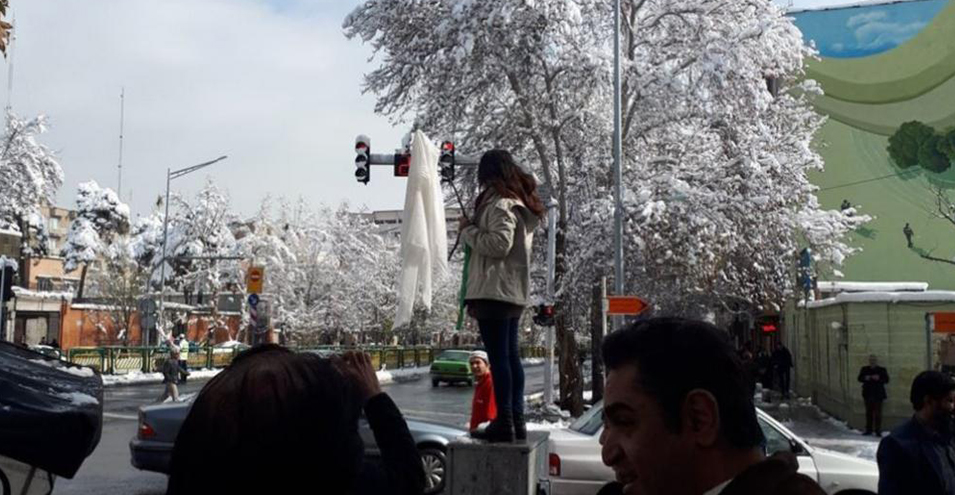
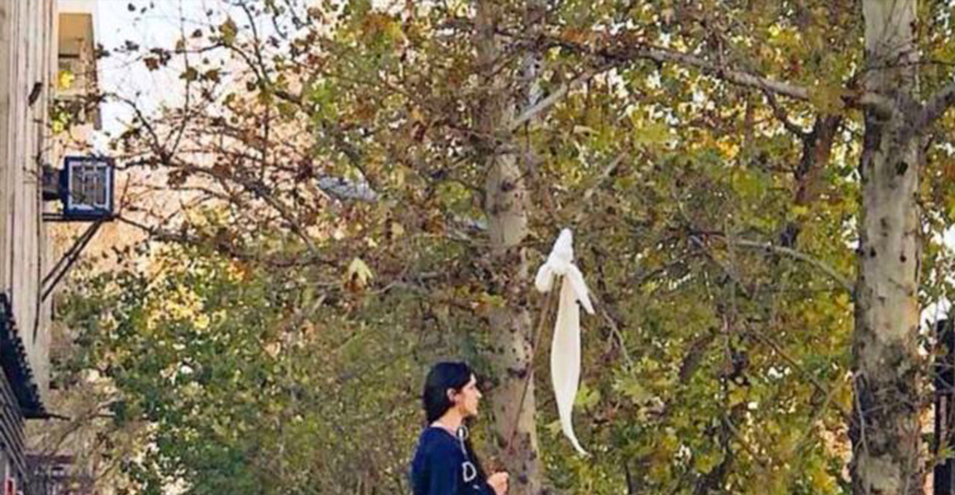
Narges Hosseini was the second girl on Enghelab Street, after Vida Movahed, to climb a city electricity distribution box and wave her headscarf above her head, protesting against the “mandatory hijab.” Ms. Hosseini was tried on March 25.
Meanwhile, Magdalena Moghrabi, Amnesty International's Deputy Director for the Middle East and North Africa, also referred to the police statement and said that this is a regressive move, part of the Iranian authorities' ongoing efforts to suppress women who courageously speak out against the mandatory hijab.
The Amnesty International official added: "In addition to exposing many women to unfair trials, this action sends a message to other women to remain silent in the face of violations of their rights."
Last week, the release of a video of police brutally treating a protester against mandatory hijab and throwing her off a power pole sparked widespread reactions.
Reports indicate that Maryam Shariatmadari, a protester against compulsory hijab, was thrown from a power pole as a result of a violent clash with police, severely injured her leg, and "required surgery."
In this context, journalist Jila Bani Yaqoub also reported on her Twitter about the deteriorating condition of Maryam Shariatmadari in the general ward of Qarchak Prison in Varamin.
According to Ms. Bani Yaqoub, Maryam Shariatmadari, who was thrown from a power pole as a result of a violent clash with police, suffered severe leg injuries, "required surgery," and "needs immediate medical attention," but according to her, the authorities are not paying attention to this issue.
Recently, some users on social media reported a violent confrontation between a private uniformed person and a girl protesting against the mandatory hijab named "Hamraz Sadeghi," which resulted in her broken hand and her arrest.
Eyewitnesses reported that on March 25, she was standing on a telecommunications switchboard at the intersection of Somayeh and Sepahbad Qarni Streets in Tehran, wearing a scarf.
The protest against the mandatory hijab, which began with the removal of headscarves by women who have become known as the "Girls of Revolution Street," began a few days before the January protest demonstrations.
So far, dozens of women in Tehran and other cities in Iran have taken off their headscarves in public to protest against the mandatory hijab. Several protesting women have been arrested on the street, and reports indicate that some of them were injured before being arrested due to the violent treatment by the police.
Source: Radio Farda