Yasmine Ansari's warning: Supporting Iran, not purifying a sect
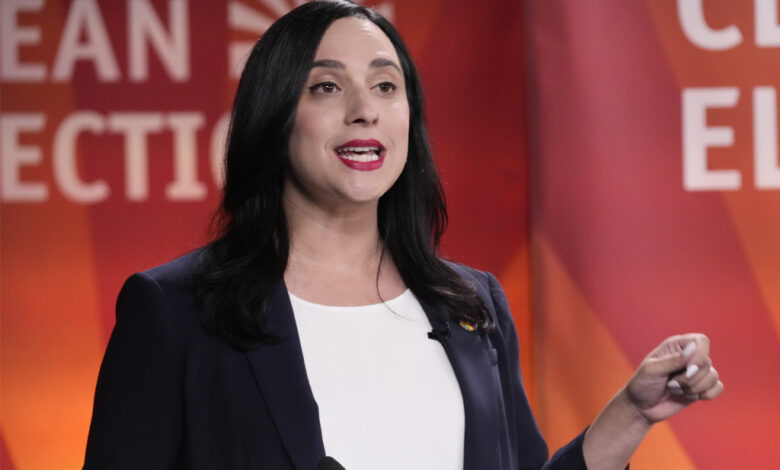
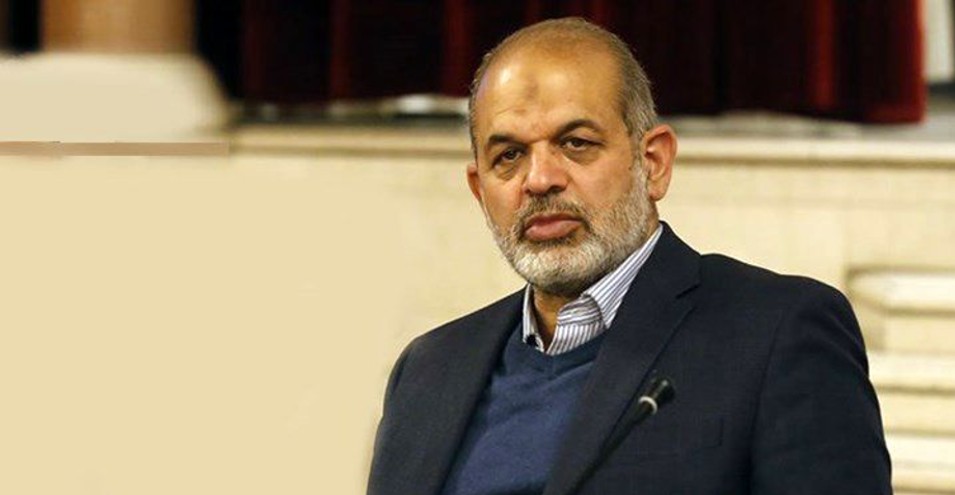
Yasmine Ansari, an Iranian-American representative in the US Congress, warned about supporting Iran and the danger of legitimizing the People's Mojahedin (MEK).
As protests in Iran escalate again and the US Congress tries to show solidarity with the protesters, disagreements over “how to support” the Iranian people have resurfaced. Representative Yasmin Ansari, an Iranian-American congresswoman, is among those who have warned about the path chosen by some of her colleagues, calling it dangerous political consequences.
Ansari, who entered Congress after the November 2024 elections, referred to a bipartisan resolution in the US in defense of human rights and the protests in Iran in a message on the social network X. While emphasizing the importance of this action, he clearly stated the reason for his non-signing, writing that the direct support for Maryam Rajavi in the text of the resolution was a red line that could not be crossed. He also added that he encouraged his Democratic colleagues to refrain from signing the resolution.
Explaining his position, the congressman stated: "Supporting the Iranian people should never mean elevating a marginal and authoritarian group that has no legitimacy among the overwhelming majority of Iranians inside and outside Iran."
Yes, the Iranian people have risen again, not with weapons, but with courage. This is the same courageous spirit that brought down the Berlin Wall, led to the dismantling of discrimination during the American civil rights movement, and ended apartheid in South Africa. With deep respect, I am thrilled by the Iranian people’s struggle for freedom. Now is the time for leaders in both parties in the United States to speak out clearly in support of the Iranian people and to let their voices be heard. We must also take immediate action to expand internet access throughout Iran and support the Iranian people in their fight for freedom and democracy.”
Ansari's remarks come in response to recent moves by supporters of the People's Mojahedin Organization in the United States, including a meeting on December 16th, attended by a number of congressional representatives from both parties, and Maryam Rajavi, the leader of the organization, gave a speech via video conference and outlined her so-called "ten-point" plan for the future of Iran.
Continuing his message, Ansari addressed the organization's history in a harsher tone, writing: "After nearly five decades of repression under the bloody rule of the Islamic Republic regime, the Iranian people deserve freedom. But lasting freedom must come from the hearts of the Iranian people themselves. The MEK is a sect, not a legitimate opposition waiting for power. They openly stood by Saddam Hussein during the Iran-Iraq war. A betrayal that took the lives of countless Iranians."
This stance comes at a time when the history of the MEK remains a contentious issue in US foreign policy. The US government designated the group a “foreign terrorist organization” in 1997 and removed it from the list in 2012, a decision that continues to be criticized by many Iranian observers and activists.
Meanwhile, the Iranian protests and their reflection on social media have also become a scene of competing narratives. As videos of protesters chanting slogans in support of Prince Reza Pahlavi have been widely released, the People's Mojahedin Organization (PMOI) has called the images "fake" and "dubbed," a claim that has further exacerbated the divide between groups opposing the Islamic Republic.
Yasmin Ansari's statements can be seen as an attempt to make a clear distinction between "supporting the Iranian people" and "granting political legitimacy to groups lacking social standing"; a distinction that, especially for Western politicians, understanding can determine the validity of their positions in Iranian public opinion.